Pigeon Farming Calculator - Free AI Assistant Tool

Pigeon Farming Calculator

Advanced Free AI Assistant tool for calculating profitability, feed costs, breeding cycles, and ROI analysis

Free AI Assistant Powered

Pigeon Farming Calculator

Farm Configuration

Cost & Pricing

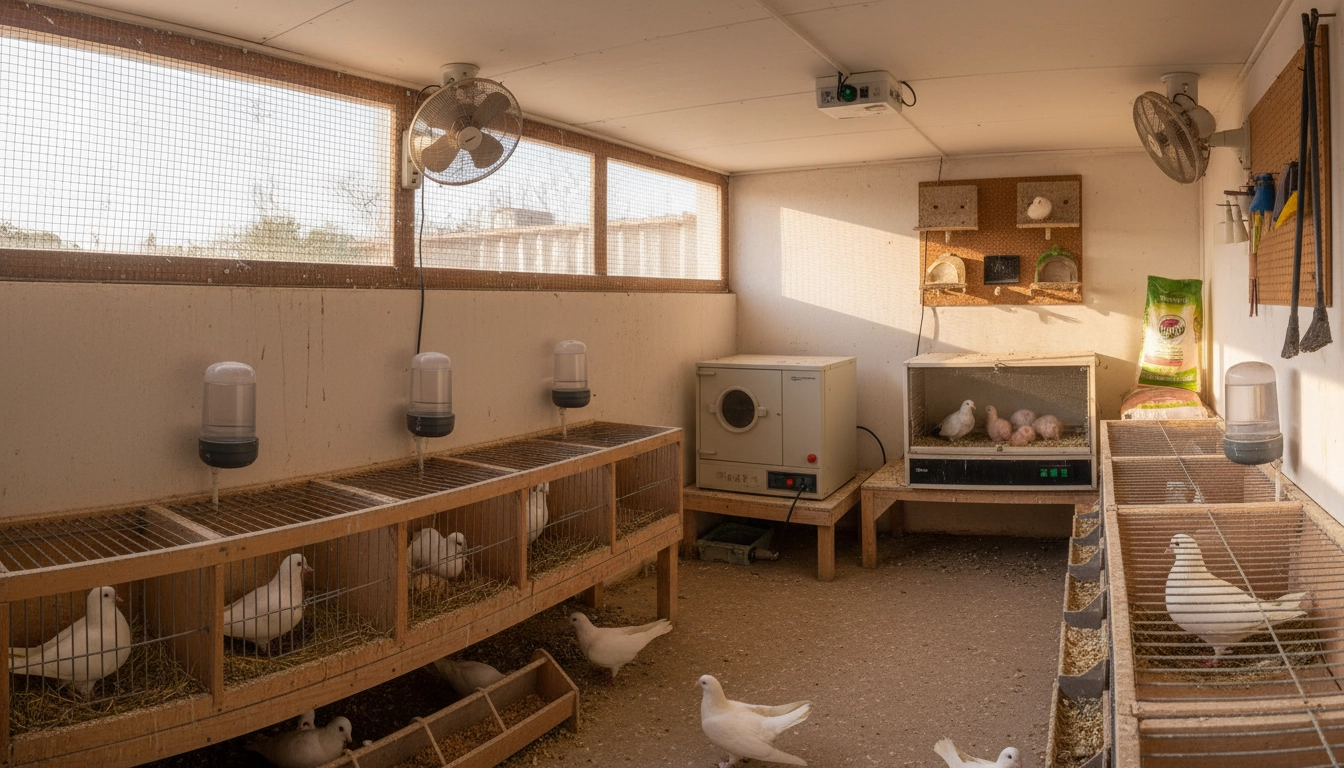
Pigeon Farming

Essential equipment and setup for successful operations

Analysis Results

Enter your parameters and click "Calculate" to see results

Calculation Formulas

Key Formulas Used

Annual Production Calculation

Total Pigeons Produced = Breeding Pairs × Eggs per Pair × Hatch Rate × (1 - Mortality Rate)

Example: 20 pairs × 14 eggs × 85% hatch rate × 90% survival = ~214 pigeons/year

Annual Revenue Formula

Annual Revenue = Total Pigeons Produced × Selling Price per Pigeon

Example: 214 pigeons × $45 = $9,630 annual revenue

Annual Cost Calculation

Annual Cost = (Feed Cost × 12 × Pairs) + (Vet Cost × 12) + Housing Cost + Labor + Miscellaneous

Example: ($8.50 × 12 × 20) + ($15 × 12) + $500 = ~$2,840 annual cost

Profitability Metrics

Annual Profit Formula

Annual Profit = Annual Revenue - Annual Costs

Example: $9,630 - $2,840 = $6,790 annual profit

Return on Investment (ROI)

ROI (%) = (Annual Profit ÷ Total Investment) × 100

Example: ($6,790 ÷ $5,000) × 100 = 135.8% ROI

Break-even Point

Break-even (months) = Total Investment ÷ (Annual Profit ÷ 12)

Example: $5,000 ÷ ($6,790 ÷ 12) = ~8.8 months to break even

How to Use the Pigeon Farming Calculator

1

Enter Farm Parameters

Input your breeding pairs count, pigeon type, housing system, and regional climate for accurate calculations.

2

Configure Costs & Pricing

Set feed costs, housing expenses, veterinary costs, selling prices, and production rates.

3

Click Calculate

Press the calculate button to generate comprehensive profitability analysis and projections.

4

Review & Optimize

Analyze results, use AI recommendations, and adjust parameters to optimize your plan.

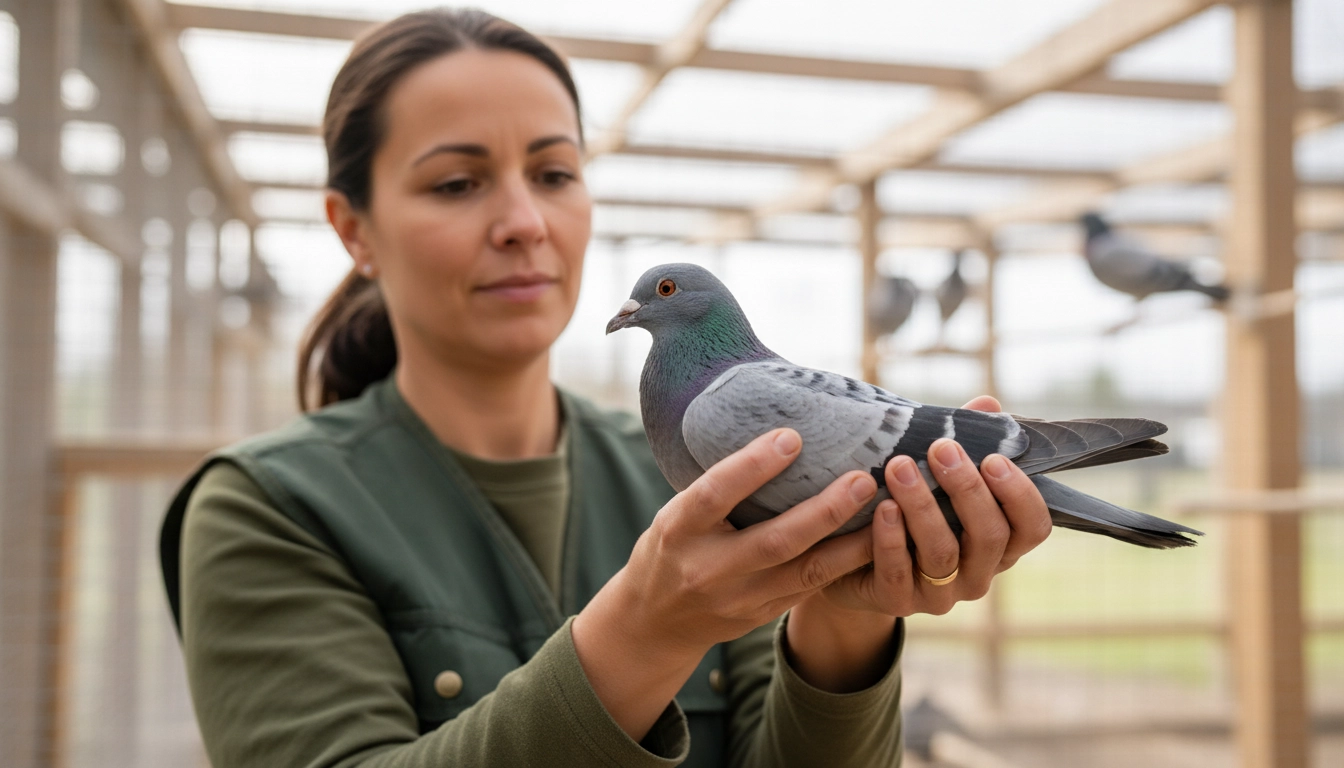
Expert demonstrating proper pigeon handling techniques

Proper handling is essential for successful operations

Frequently Asked Questions

What is pigeon farming and why use a calculator?

Raising domestic pigeons for meat, eggs, racing, or show purposes. A specialized calculator helps determine profitability, feed costs, and optimal flock size before investing.

How accurate is Pigeon Farming calculator?

Our pigeon farming calculator uses industry-standard formulas and real-time market data for high accuracy. However, actual results may vary based on local conditions, management practices, and market fluctuations.

Can I calculate feed requirements?

Yes, the pigeon farming calculator includes advanced feed calculation based on bird age, breed, activity level, and production goals (meat, racing, or breeding).

What's the typical ROI?

ROI varies by scale and purpose: meat production typically yields 15-25% annually, racing 10-30%, and show breeds 5-15%. Our tool provides personalized projections.

How many breeding pairs should I start with?

Beginners should start with 5-10 breeding pairs to gain experience. Commercial operations typically begin with 50-100 pairs.

Complete Guide to Pigeon Farming: Profitability, Care, and Business Planning
By Agricultural Expert Team Updated: January 20, 2024
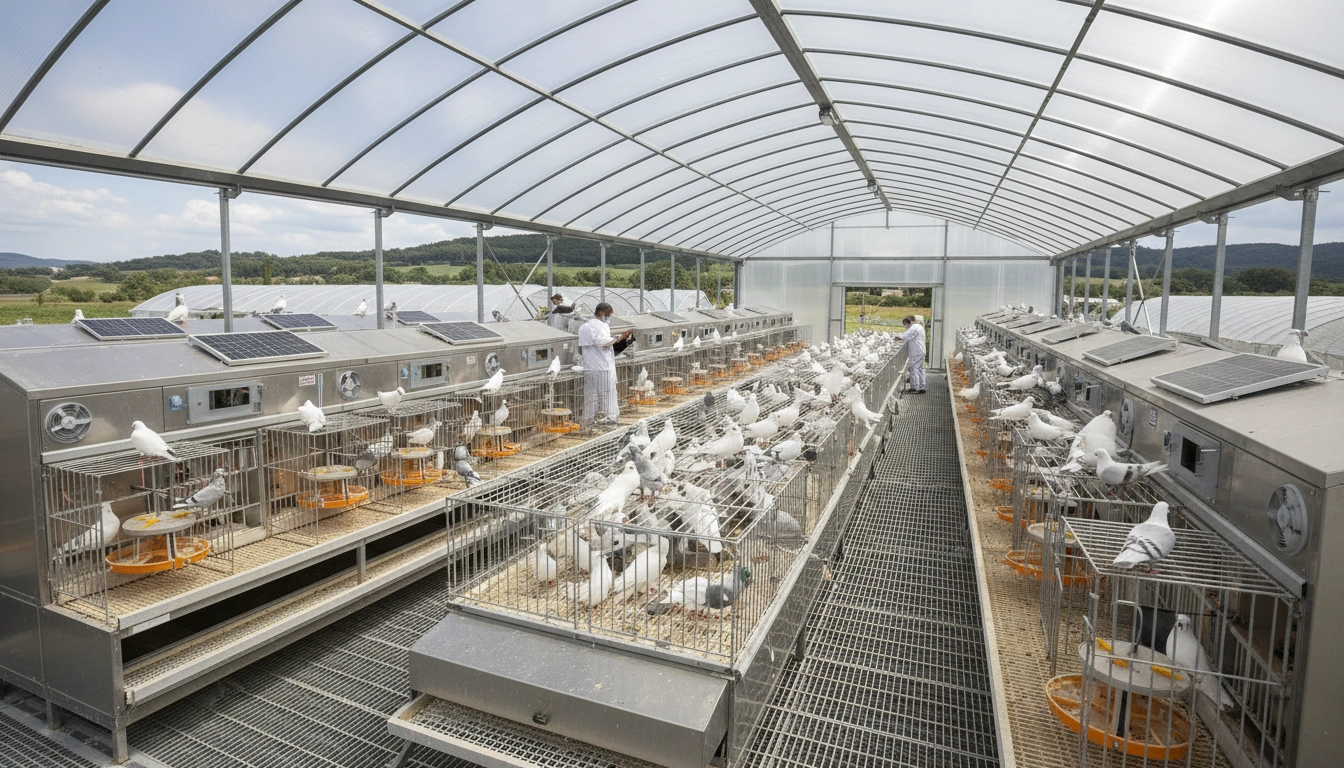
Commercial pigeon farming operation showing modern loft design

Modern operation with optimized loft design for maximum productivity

What is Pigeon Farming and Why It Matters

Pigeon farming, also known as columbiculture, is the practice of raising domestic pigeons for various purposes including meat, eggs, racing, and exhibition. This specialized form of agriculture has gained significant attention in recent years due to its relatively low startup costs, high-profit potential, and growing market demand. This practice represents a sustainable agricultural method that can be implemented in both rural and urban settings with proper planning and management.

The global industry has seen steady growth, particularly in regions where pigeon meat is considered a delicacy. In many cultures, this type of husbandry provides not only economic benefits but also cultural significance. Successful operations require understanding breeding cycles, nutrition requirements, housing needs, and market dynamics. With proper management, a well-planned venture can yield substantial returns on investment.

Benefits and Use Cases

This agricultural practice offers numerous advantages over traditional pigeon farming. Pigeons have a rapid reproduction cycle, with some breeds capable of producing up to 12-16 squabs (young pigeons) per pair annually. This makes this type of agricultural venture particularly attractive for entrepreneurs looking for quick returns. Additionally, pigeons require relatively small space compared to other livestock, making it feasible for small-scale farmers and urban agriculturalists.

The primary use cases include meat production (squab farming), racing pigeon breeding, exhibition/show pigeon breeding, and pigeon egg production. Meat operations are particularly profitable, with squabs reaching market weight in just 4-5 weeks. Racing pigeon breeding has become a global industry with high-value birds, while exhibition pigeon breeding caters to hobbyists and show enthusiasts worldwide.
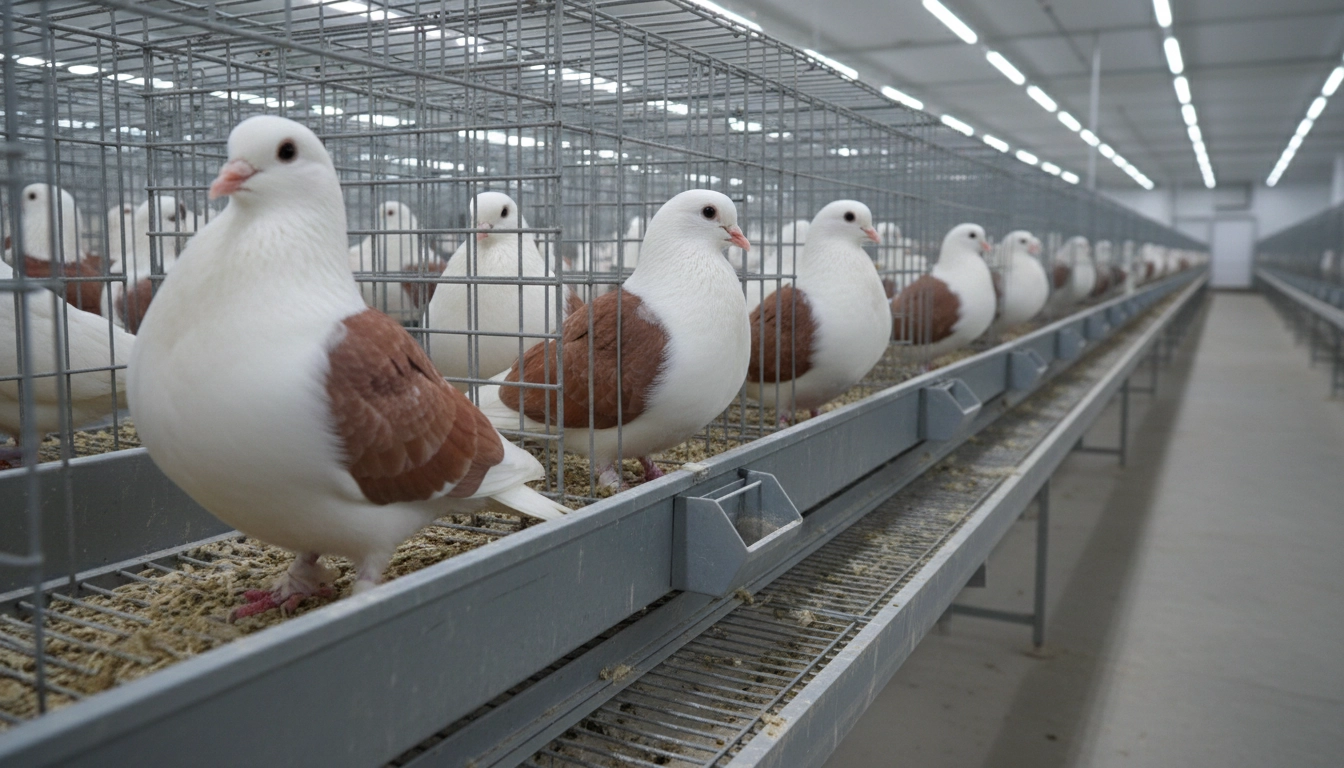
Healthy pigeon breeds commonly used in commercial operations

Various pigeon breeds suitable for different agricultural operations

Tips and Best Practices

Success begins with proper planning and infrastructure development. The foundation of any profitable venture is appropriate housing. Pigeon lofts should provide adequate ventilation, protection from predators, and easy access for cleaning and management. Different types of operations require specific loft designs - meat production facilities differ significantly from racing pigeon lofts.

Nutrition is another critical factor. A balanced diet specifically formulated for pigeons should include grains, legumes, vitamins, and minerals. The nutritional requirements vary depending on the type of operation - breeding pigeons have different needs than racing or show birds. Regular health monitoring and preventive veterinary care are essential components of sustainable operations.

Expert Insight:

"Modern pigeon farming has evolved significantly with technological advancements in housing, nutrition, and disease management. The key to success lies in meticulous planning, continuous learning, and adapting to market demands."

Future Trends

The future looks promising with several emerging trends. Sustainable and organic practices are gaining popularity among health-conscious consumers. Technological innovations including automated feeding systems, climate-controlled lofts, and digital monitoring tools are transforming traditional methods.

Additionally, the growth of online marketplaces and direct-to-consumer sales channels is creating new opportunities for entrepreneurs. Niche markets such as premium squab for gourmet restaurants and specialized breeding stock for international markets offer high-value opportunities.

© 2024 Pigeon Farming Calculator. All rights reserved.

This free AI Assistant tool is designed to help farmers and entrepreneurs plan successful operations.

For accurate local pricing and regulations, consult with agricultural extension services in your area.

`; window.print(); document.body.innerHTML = originalContent; window.location.reload(); // Restore original page } // Event Listeners calculateBtn.addEventListener('click', calculateResults); // Real-time updates with debouncing for better performance const inputs = [breedingPairs, feedCost, housingCost, vetCost, sellingPrice, eggsPerPair, hatchRate]; inputs.forEach(input => { input.addEventListener('input', () => { // Clear previous timeout if (calculationTimeout) { clearTimeout(calculationTimeout); } // Set new timeout for calculation calculationTimeout = setTimeout(calculateResults, 500); }); }); // Select inputs const selects = [pigeonType, housingType, region]; selects.forEach(select => { select.addEventListener('change', calculateResults); }); // AI Assistant toggle aiAssistantToggle.addEventListener('click', () => { aiAssistantPanel.classList.toggle('hidden'); if (!aiAssistantPanel.classList.contains('hidden')) { aiAssistantToggle.innerHTML = ' Hide AI Assistant'; } else { aiAssistantToggle.innerHTML = ' Free AI Assistant'; } }); // Action buttons shareResultsBtn.addEventListener('click', shareResults); saveResultsBtn.addEventListener('click', saveResults); printResultsBtn.addEventListener('click', printResults); // Initialize calculator initializeCalculator(); // Lazy load images const lazyImages = document.querySelectorAll('img[loading="lazy"]'); const imageObserver = new IntersectionObserver((entries, observer) => { entries.forEach(entry => { if (entry.isIntersecting) { const img = entry.target; img.classList.add('loaded'); observer.unobserve(img); } }); }); lazyImages.forEach(img => { imageObserver.observe(img); img.classList.add('lazy'); }); // Keyboard navigation support document.addEventListener('keydown', (e) => { // Focus management for accessibility if (e.key === 'Escape') { document.activeElement.blur(); } // Calculate with Enter key when focused on inputs if (e.key === 'Enter' && (e.target.tagName === 'INPUT' || e.target.tagName === 'SELECT')) { calculateResults(); } }); }); // Additional performance optimization: Preconnect to external domains const preconnectLinks = [ 'https://images.unsplash.com', 'https://procalculates.com' ]; preconnectLinks.forEach(link => { const preconnect = document.createElement('link'); preconnect.rel = 'preconnect'; preconnect.href = link; preconnect.crossOrigin = 'anonymous'; document.head.appendChild(preconnect); });
Scroll to Top