
Comprehensive Guide to Modern Pork Farming: Strategies for Success
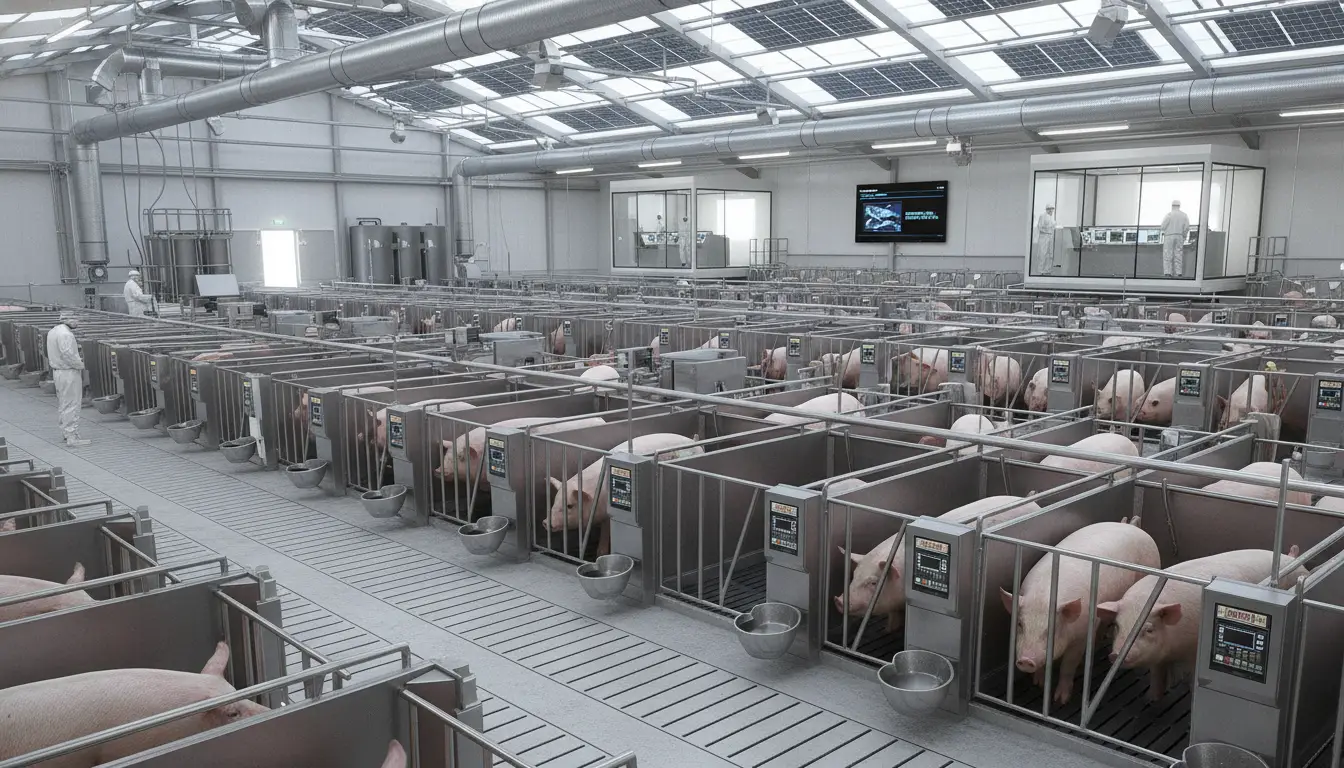
Pork farming, also known as swine production, has evolved significantly from traditional backyard operations to sophisticated, technology-driven enterprises. Modern pig farming focuses on efficiency, animal welfare, and sustainable practices while maximizing profitability.
What is Pig Farming and Why It Matters
Swine farming involves the raising and breeding of domestic pigs for meat production (pork). It's one of the most efficient livestock systems, with pigs converting feed to meat more efficiently than cattle. The global pork industry produces over 120 million metric tons annually, making it the most consumed meat worldwide.
The importance of Hog farming extends beyond food production. It provides livelihoods for millions of farmers globally, contributes to agricultural economies, and plays a role in sustainable food systems when managed responsibly. Modern pig husbandry incorporates advanced genetics, precision feeding, and environmental controls to optimize production while minimizing ecological impact.
Benefits and Use Cases of Modern Pig Farming
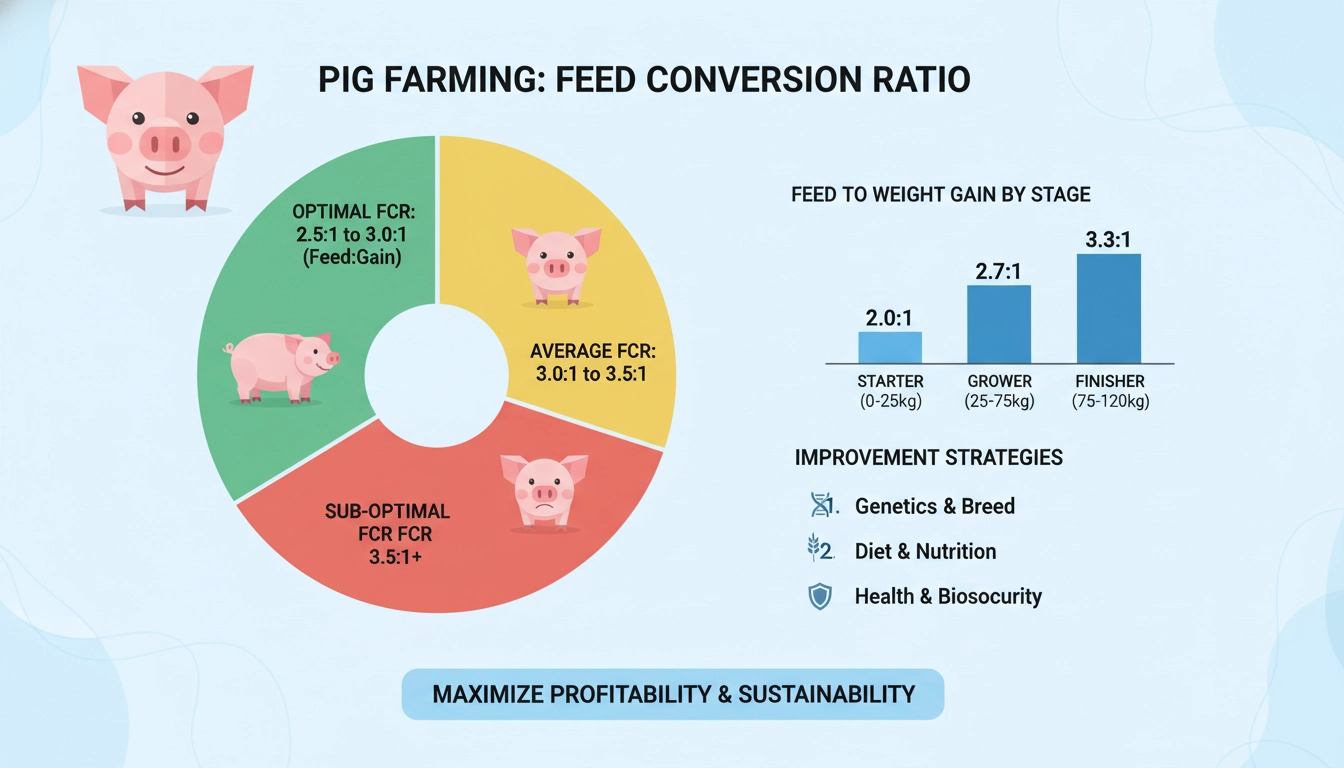
Modern piggery farming offers numerous advantages over traditional methods. These include improved feed efficiency, better disease control, higher productivity, and reduced environmental impact. Advanced pig farming systems can achieve feed conversion ratios as low as 2.2:1, meaning just 2.2 kg of feed produces 1 kg of live weight gain.
Key use cases for pig farming include:
- Commercial meat production for local and export markets
- Breeding stock development for genetic improvement
- Integrated farming systems combining pig farming with crop production
- Specialty products like organic or free-range pork
- Biogas production from manure for renewable energy
For those interested in diversified livestock operations, consider exploring our Chicken Farming calculator to compare profitability across different poultry systems.
Tips and Best Practices for Successful Pig Farming
Successful pig farming requires attention to several critical areas. First, proper housing with adequate ventilation, temperature control, and space allocation is essential. Pigs are sensitive to temperature extremes, with optimal ranges between 18-22°C for growing pigs.
Nutrition management represents the single largest cost in pig farming. Formulating balanced rations with proper protein, energy, vitamin, and mineral levels is crucial. Implementing phase feeding - adjusting diets as pigs grow - can reduce feed costs by 5-10% without compromising performance.
Health management is another critical component. Establishing a comprehensive vaccination program, implementing biosecurity measures, and conducting regular health checks can prevent disease outbreaks that devastate profitability. Quarantine new animals for at least 30 days before introducing them to the main herd.
For seasonal livestock options, our Turkey Farming calculator provides specialized tools for holiday-oriented poultry production.
Related Concepts and Advanced Techniques
Modern pig farming incorporates several advanced concepts. Precision livestock farming uses sensors and data analytics to monitor individual animal health and performance. Genetic selection focuses on traits like feed efficiency, litter size, and disease resistance.
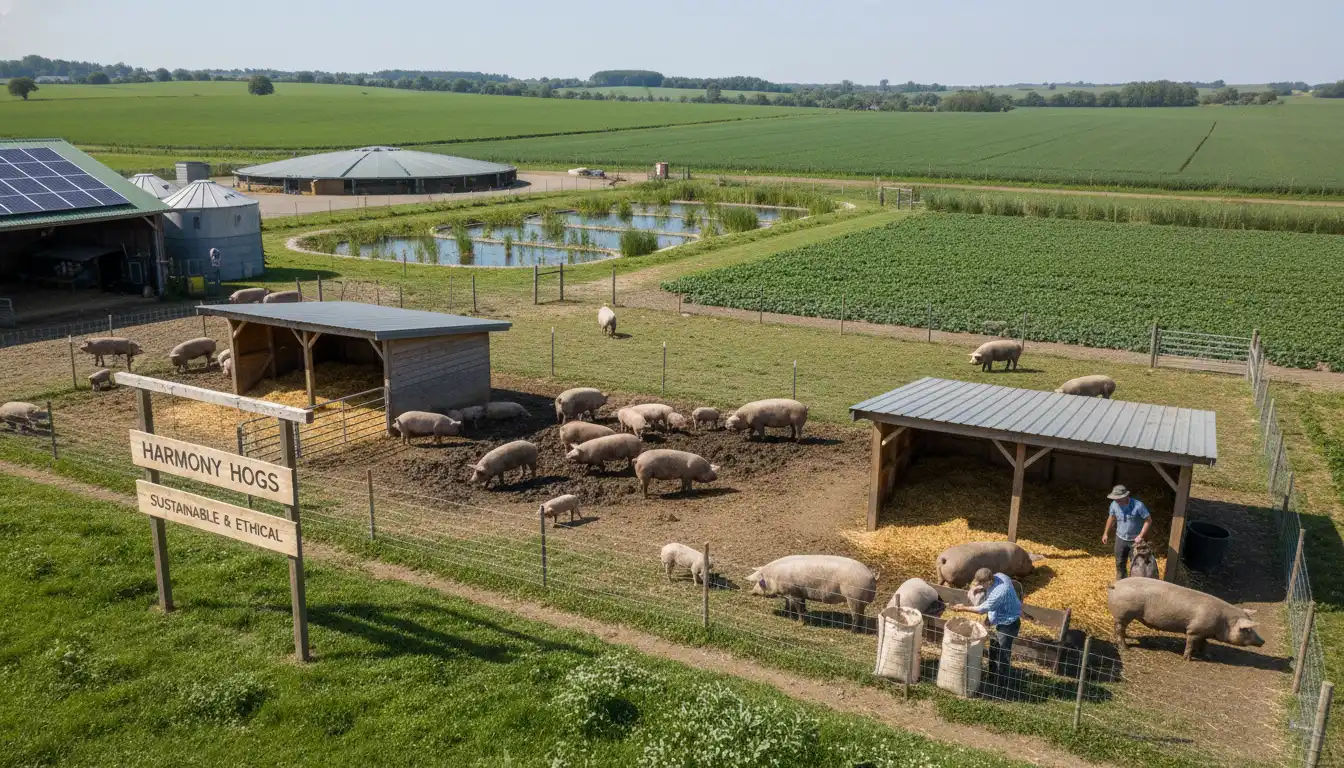
Environmental sustainability has become increasingly important. Techniques like manure management systems, odor control, and water conservation help minimize the ecological footprint of pig farming operations. Some farms now generate renewable energy from biogas produced during manure decomposition.
Alternative production systems are gaining popularity. These include free-range, organic, and welfare-certified pork production, which often command premium prices in specialty markets. Each system requires different management approaches and has distinct cost structures.
For waterfowl enthusiasts, our Goose Farming calculator offers specialized tools for this niche but potentially profitable livestock sector.
Future Trends in Pig Farming
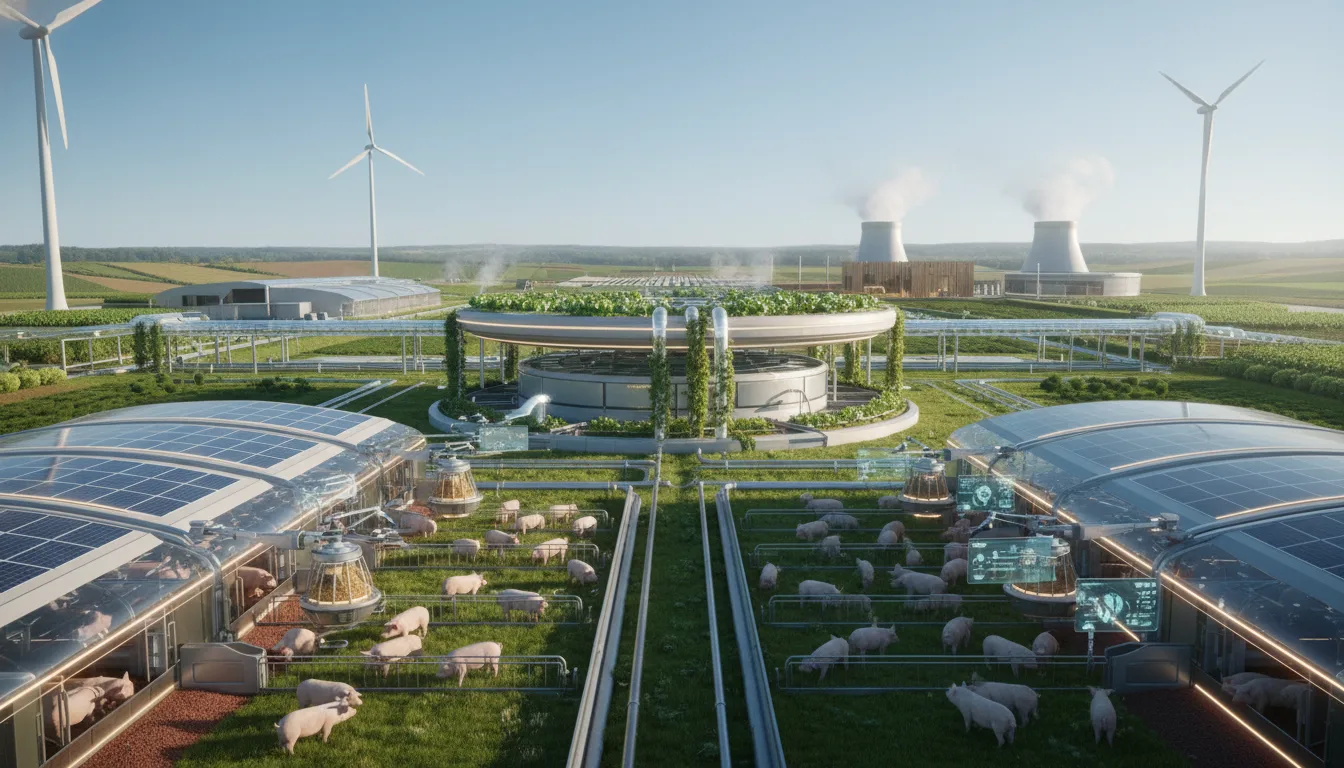
The future of pig farming lies in further integration of technology, genetics, and sustainable practices. Automated feeding systems, real-time health monitoring, and advanced waste management will become standard. Consumer preferences will continue driving changes toward higher welfare standards and transparency in production systems.
Climate-smart pig farming that reduces greenhouse gas emissions while maintaining productivity will be increasingly important. Researchers are exploring feed additives that reduce methane production and improve nutrient utilization.
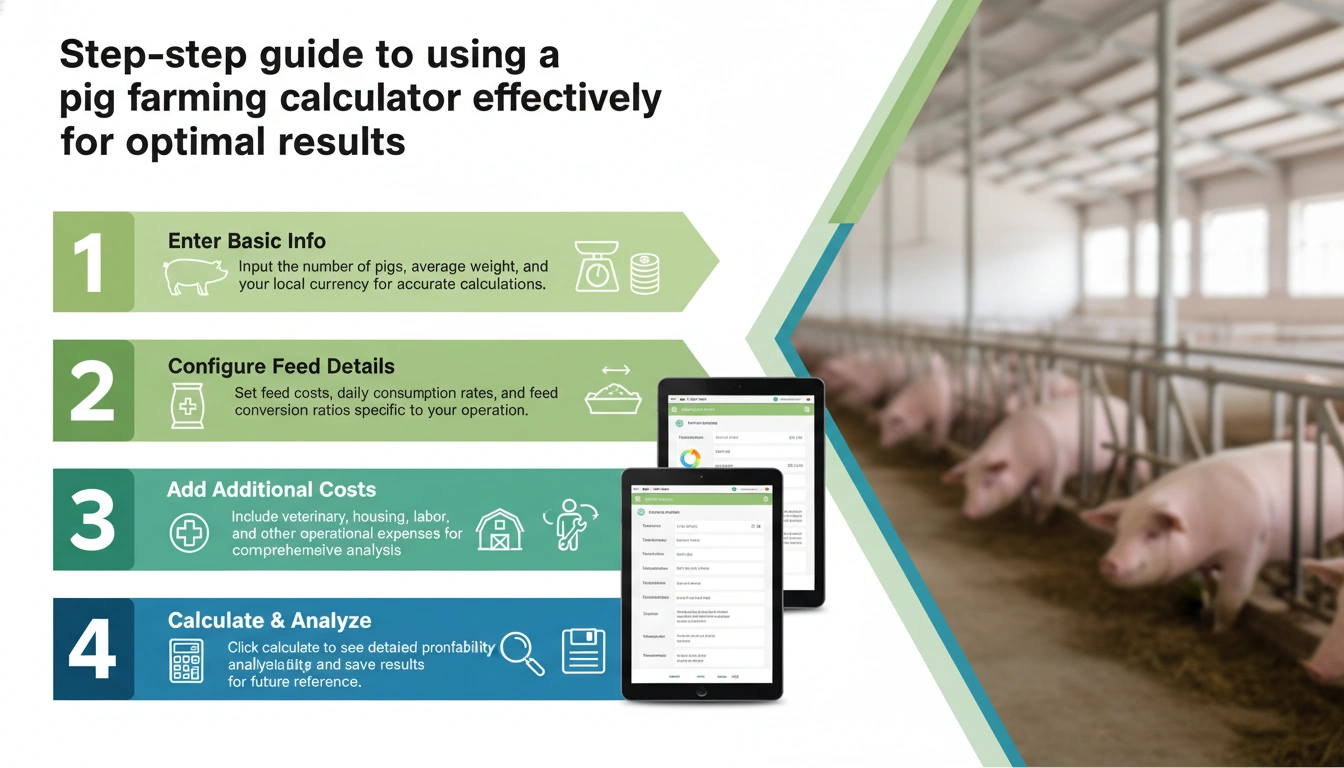
Ultimately, successful pig farming balances economic viability with environmental stewardship and animal welfare. By using tools like our Pig Farming calculator, producers can make informed decisions that optimize all three aspects of sustainable swine production.