
Complete Guide to Profitable Camelid husbandry
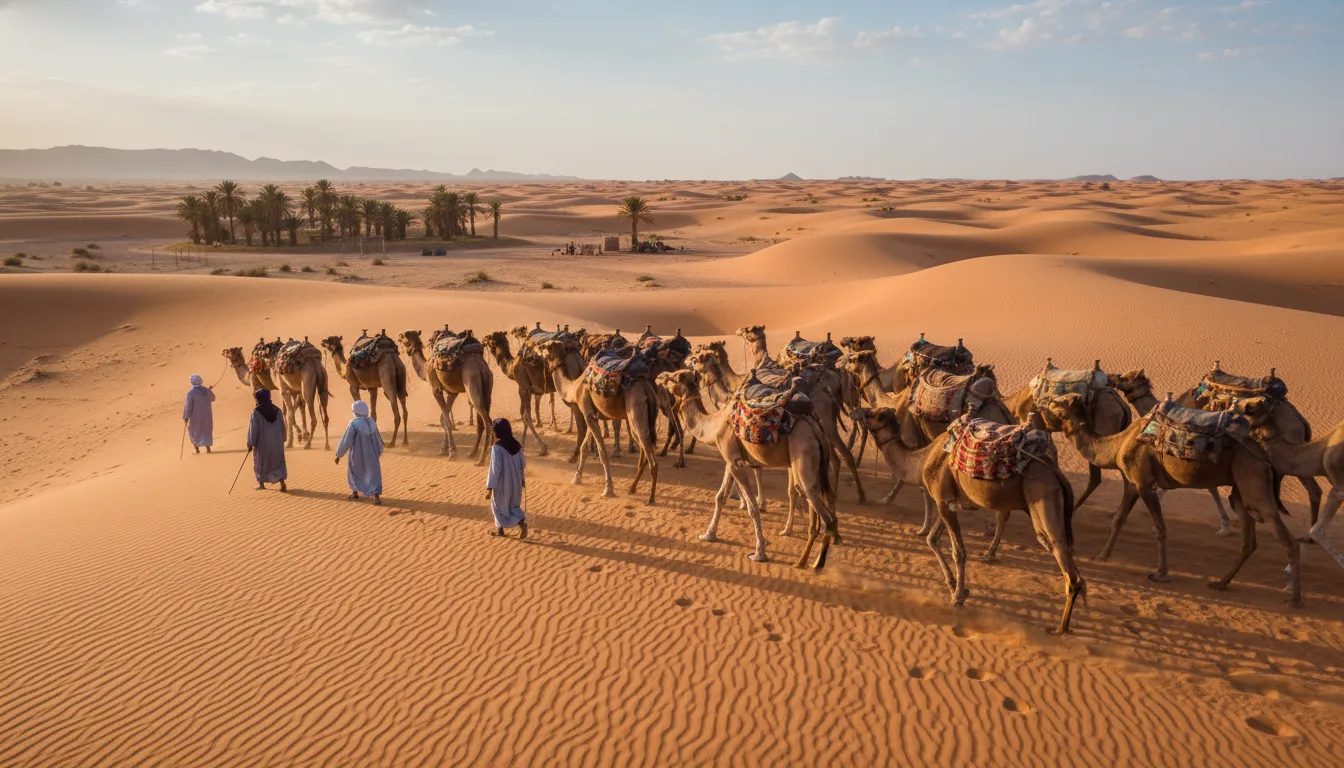
Traditional Camelid husbandry in arid regions remains a vital livelihood source
What is Camel Farming and Why It Matters
Camel farming, also known as camel husbandry, is the practice of breeding and raising camels for various purposes including milk, meat, wool, and transportation. With climate change creating harsher arid conditions, Camelid husbandry has gained significant importance as a sustainable livestock option in dry regions.
Camels are uniquely adapted to harsh environments where other livestock struggle to survive. They require less water, can consume thorny desert plants, and produce valuable products even in challenging conditions. The global camel milk market alone is projected to reach $13 billion by 2027, demonstrating the growing economic importance of this sector.

Modern camel dairy farming operations use specialized equipment
Benefits and Use Cases of Camel Farming
Camelid husbandry offers numerous advantages over traditional livestock:
- Climate Resilience: Camels thrive in arid conditions where other livestock fail
- Diversified Income: Multiple revenue streams from milk, meat, tourism, and racing
- Nutritional Superiority: Camel milk contains more vitamin C, iron, and unsaturated fatty acids than cow milk
- Lower Water Requirements: Camels can survive on 30% less water than cattle
- Medicinal Value: Camel products are used in traditional medicine across many cultures
Successful camel farming operations can be found across the Middle East, Africa, Australia, and increasingly in Europe and North America. The Food and Agriculture Organization (FAO) provides extensive resources on sustainable camel production systems worldwide.
Tips and Best Practices for Successful Camel Farming
Based on analysis from our Camel Farming calculator and industry data, here are key recommendations:
- Breed Selection: Choose breeds suited to your climate and production goals. Dromedaries excel in dairy production, while Bactrians are better for colder climates.
- Nutrition Management: Supplement natural foraging with balanced feed during dry seasons. Proper nutrition can increase milk yield by up to 40%.
- Health Monitoring: Regular veterinary care prevents common issues like parasites and respiratory infections.
- Market Development: Build relationships with specialty food stores, restaurants, and direct consumers.
- Technology Integration: Use modern milking equipment and management software to improve efficiency.
Farmers interested in livestock diversification should also consider goat farming as a complementary enterprise, as goats share similar arid-climate adaptations.
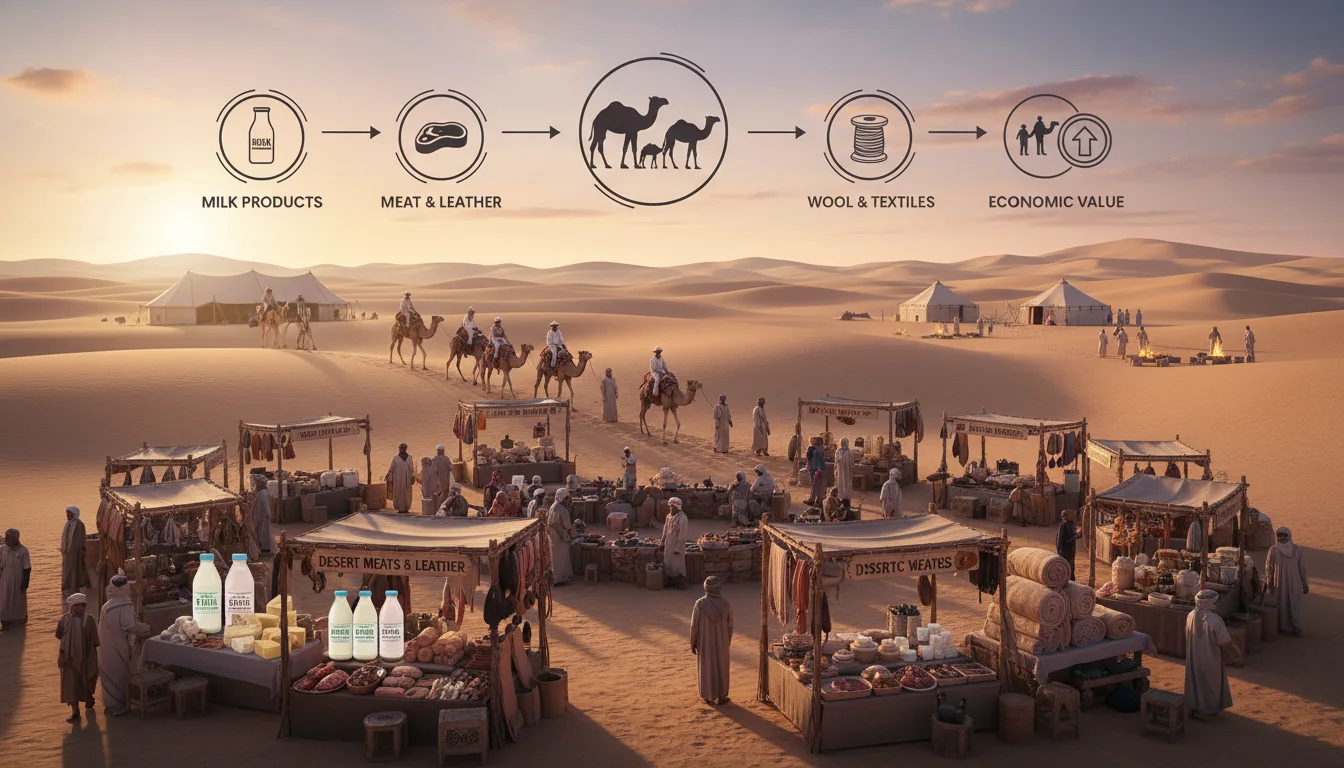
The camel farming value chain extends beyond basic livestock to specialty products
Related Concepts and Integration
Camel farming doesn't exist in isolation. Successful operations often integrate with:
- Agrotourism: Farm visits, camel rides, and educational programs
- Alternative Livestock: Many successful farms also raise sheep and geese for diversified income
- Value-Added Products: Camel milk cheese, soap, skincare products, and fermented beverages
- Conservation Breeding: Participation in rare breed preservation programs
The camel farming sector continues to evolve with new technologies and market opportunities. By using tools like our Camel Farming calculator, producers can make data-driven decisions to optimize their operations for maximum profitability and sustainability.
Key Takeaway:
Camel farming represents a sustainable, climate-resilient livestock option with growing global market demand. With proper management and strategic planning using tools like this calculator, camel farming can provide substantial economic returns while contributing to food security in arid regions.