Advanced aquaculture calculations for optimal fish farming management
Calculation Results
Enter parameters and click Calculate
AI Assistant
Get personalized recommendations
Calculate first to get AI recommendations for your fish farming operation.
Saved Calculations
Calculation Formulas
Mathematical models used in our fish farming calculator
Pond Volume Calculation
Volume (m³) = Length × Width × Depth
This basic formula calculates the total water volume in cubic meters, essential for determining stocking density and chemical treatment dosages.
Example:
A pond measuring 50m × 30m × 1.5m has a volume of:
50 × 30 × 1.5 = 2,250 m³
Stocking Density
Stocking Density = (Number of Fish × Average Weight) / Pond Volume
Optimal stocking density varies by species and farming system. Overstocking leads to poor growth and disease outbreaks.
Feed Requirements
Daily Feed = Total Biomass × Feeding Rate (%)
Feeding rates typically range from 2-5% of body weight daily, adjusted for water temperature and fish size.
Example:
1,000 kg of fish at 3% feeding rate:
1,000 × 0.03 = 30 kg feed per day
Profitability Analysis
ROI = (Revenue - Total Costs) / Total Costs × 100
Return on Investment calculation helps evaluate the economic viability of your fish farming operation.
How to Use the Fish Farming Calculator
Follow these steps to optimize your aquaculture operations
1
Select Species
Choose your fish species from the dropdown menu. Each species has different growth rates and requirements.
2
Input Parameters
Enter pond dimensions, stocking numbers, growth period, and economic parameters.
3
Calculate
Click calculate to get instant results for stocking density, feed requirements, and profitability.
4
Optimize
Use AI recommendations to improve your fish farming practices and maximize profitability.
Frequently Asked Questions
Common questions about fish farming and our calculator
What is the optimal stocking density for fish farming?
Optimal stocking density depends on fish species, pond size, and aeration. For tilapia, 3-5 fish per square meter is common. Our calculator adjusts based on your specific conditions, water quality, and management practices.
How much feed do I need for my fish farm?
Feed requirements vary by species and growth stage. Generally, fish consume 2-3% of their body weight daily. Our calculator provides precise feed calculations based on your inputs, considering growth rates and environmental factors.
What water quality parameters are important for fish farming?
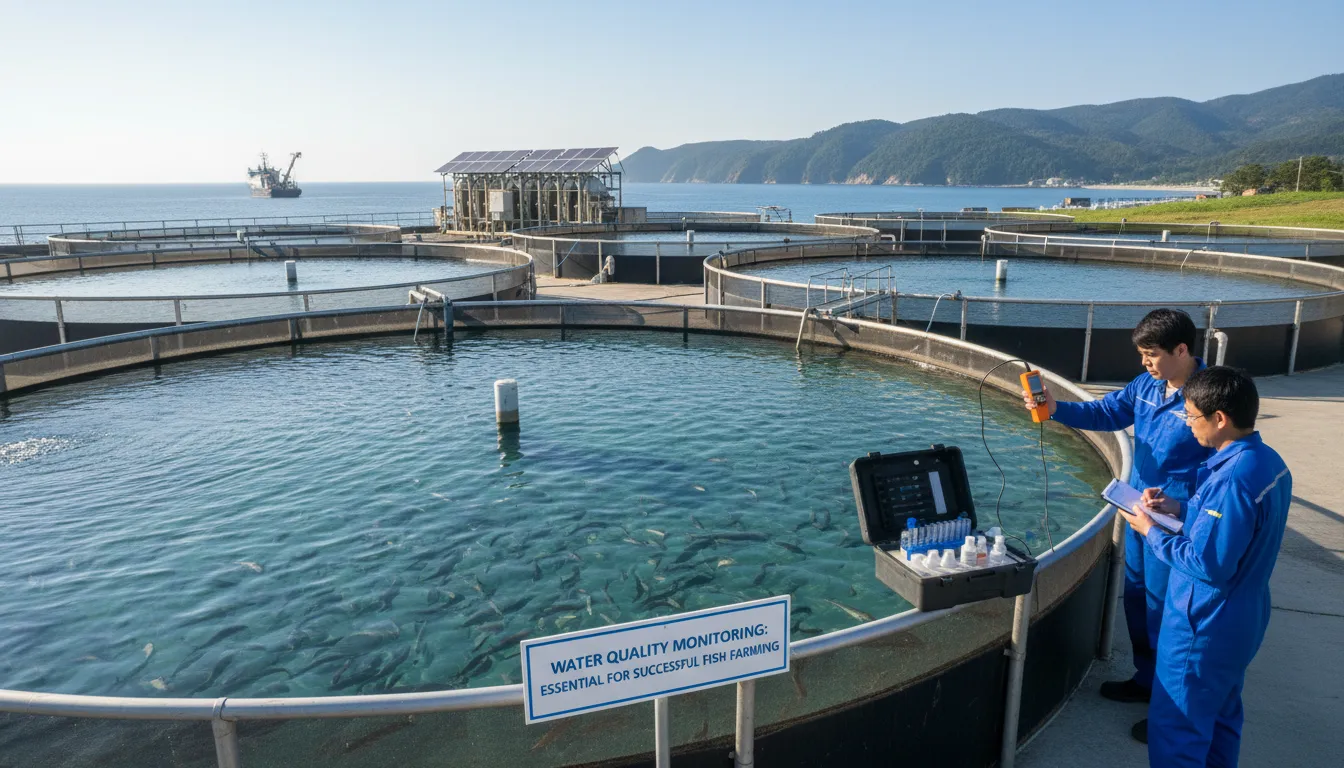
Critical parameters include dissolved oxygen (5-8 mg/L), pH (6.5-8.5), temperature (species-dependent), and ammonia levels (<0.02 mg/L). Regular monitoring is essential for successful fish farming operations.
How do I calculate fish farming profitability?
Profitability = (Total Revenue - Total Costs) / Total Costs × 100. Our calculator includes feed costs, fingerling costs, labor, equipment, and market prices to provide accurate profitability projections.
What are common fish farming diseases to watch for?
Common diseases include bacterial infections (columnaris), fungal infections, parasites (ich), and viral diseases. Regular monitoring and proper water management prevent outbreaks. Consult with aquaculture experts for specific treatment protocols.
Complete Guide to Modern Fish Farming Techniques and Aquaculture Management
By Aquaculture Expert•Updated: December 12, 2024
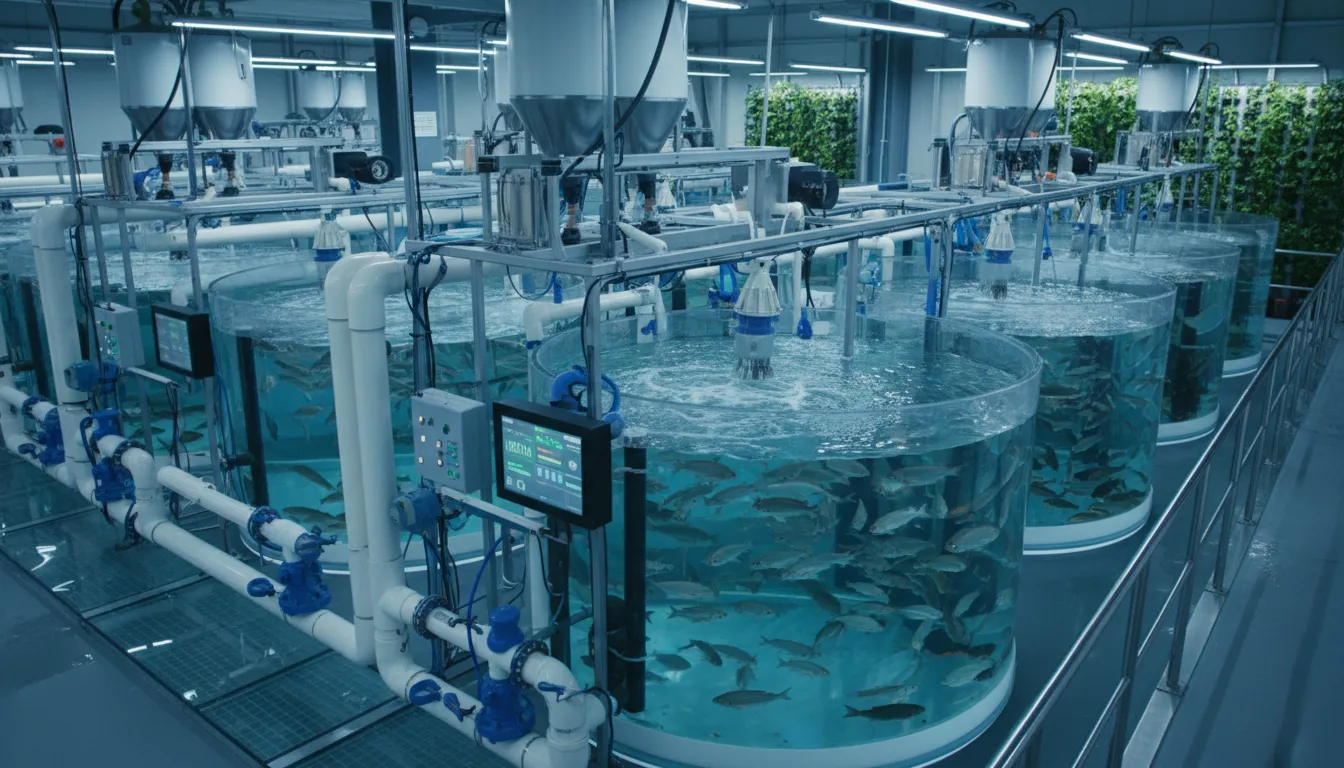
Modern fish farming facility with efficient aquaculture management systems
What is Fish Farming and Why It Matters
Fish farming, also known as aquaculture, is the controlled cultivation of fish and other aquatic organisms for food, recreation, or conservation purposes. This practice has become increasingly important as global demand for seafood continues to rise while wild fish stocks decline. Modern aquafarming operations range from small-scale family businesses to large commercial enterprises, each contributing to food security and economic development.
The significance of pisciculture extends beyond food production. It creates employment opportunities, supports rural economies, and reduces pressure on wild fish populations. When properly managed, aquaculture can be more sustainable than traditional fishing methods, with controlled environments minimizing bycatch and habitat destruction. The aquaculture industry continues to innovate with recirculating systems, improved feed formulations, and better disease management protocols.
Benefits and Practical Applications of Fish Farming
Key Benefits:
Year-round production regardless of weather conditions
Controlled environment reduces disease risks and mortality rates
Efficient feed conversion compared to terrestrial livestock
Scalable operations from small ponds to large commercial systems
Successful aquafarming operations require careful planning and management. Key applications include food fish production (tilapia, salmon, catfish), ornamental fish breeding, stock enhancement for recreational fishing, and conservation of endangered species. Each application has specific requirements that our fish farming calculator helps optimize.
Water quality monitoring is essential for successful aquafarming operations
Essential Tips and Best Practices for Fish Farming
To achieve success in pisciculture, follow these evidence-based practices:
1. Site Selection and Pond Preparation
Choose locations with good water quality, proper drainage, and accessibility. Test soil composition and ensure adequate water supply before construction. Proper pond preparation includes liming, fertilization, and vegetation control to create optimal conditions for aquaculture.
2. Stocking Management
Stock fingerlings of uniform size from reputable sources. Acclimate fish gradually to pond conditions to reduce stress. Monitor stocking density using our aquaculture calculator to prevent overcrowding and ensure optimal growth rates.
3. Feeding Strategies
Use high-quality feeds appropriate for your fish species and growth stage. Feed at regular intervals, adjusting quantities based on water temperature and fish appetite. Overfeeding wastes resources and degrades water quality in pisciculture operations.
4. Water Quality Management
Regularly test pH, dissolved oxygen, ammonia, and temperature. Maintain proper aeration, especially during warm months. Implement water exchange protocols to prevent nutrient buildup. These practices are crucial for sustainable aquafarming.
5. Disease Prevention
Implement biosecurity measures, quarantine new stock, and monitor fish health daily. Recognize early signs of disease and consult aquatic veterinarians promptly. Preventive measures are more effective than treatment in pisciculture systems.
Pro Tip:
Integrate your aquafarming operation with other agricultural activities. Fish pond water is rich in nutrients and can irrigate crops, while agricultural byproducts can supplement fish feed. This integrated approach maximizes resource efficiency and profitability.
Related Concepts and Advanced Techniques
Modern fish farming incorporates several advanced concepts:
Recirculating Aquaculture Systems (RAS)
RAS technology allows high-density fish farming with minimal water use. These systems filter and recycle water, making them suitable for areas with limited water resources. While initial investment is higher, RAS offers greater control over environmental conditions.
Integrated Multi-Trophic Aquaculture (IMTA)
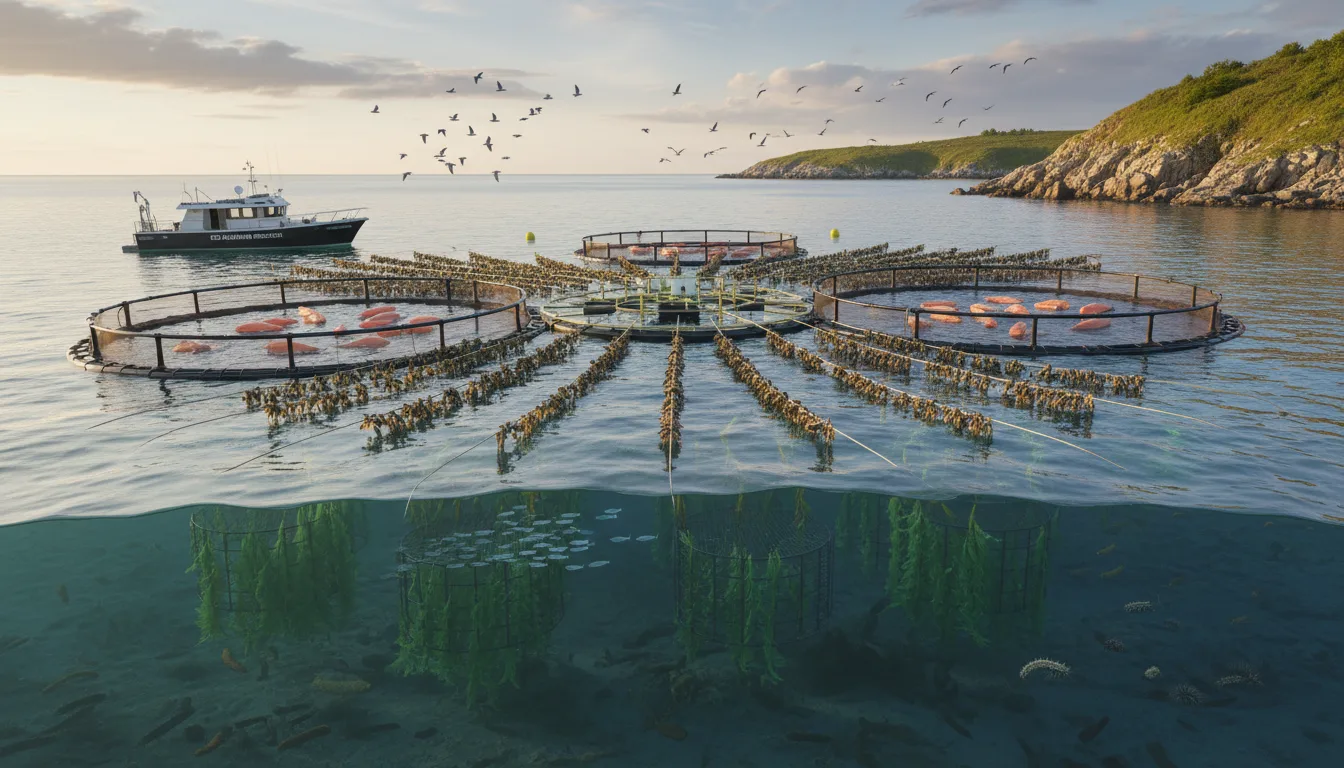
IMTA combines different species that utilize waste products from each other. For example, filter-feeding shellfish can consume nutrients from fish waste, creating a more sustainable aquafarming ecosystem.
Aquaponics
This system combines aquaculture with hydroponic plant production. Fish waste provides nutrients for plants, while plants help purify water for fish. Aquaponics represents a circular economy approach to food production.
Genetic Improvement
Selective breeding and genetic technologies produce fish with faster growth rates, disease resistance, and better feed conversion. These improvements enhance the efficiency of aquafarming operations.
Sustainable fish farming integrates multiple species for ecosystem balance
Economic Considerations and Market Opportunities
The economics of fish farming depend on several factors: scale of operation, species choice, feed costs, and market prices. Use our calculator to project costs and revenues for your specific situation. Emerging markets for value-added products (smoked fish, fillets, specialty items) offer additional profit opportunities beyond fresh fish sales.
Government support programs, certification schemes (like ASC and BAP), and direct marketing through farmers' markets can enhance profitability. Consider diversifying your fish farming operation with complementary activities like poultry farming or vegetable production to spread risk and increase income streams.
Environmental Sustainability and Future Trends
Sustainable fish farming minimizes environmental impacts while maximizing production. Key practices include efficient feed use, proper waste management, habitat conservation, and responsible chemical use. The industry is moving toward more sustainable feed ingredients, improved water treatment, and better siting practices.
Future trends in fish farming include automation (feeding, monitoring, harvesting), precision aquaculture using sensors and data analytics, alternative protein sources for feed, and offshore aquaculture development. Staying informed about these trends helps maintain competitiveness in the evolving aquaculture sector.
Success Story:
A medium-scale tilapia fish farming operation in Southeast Asia increased profitability by 40% through improved feed management, selective breeding, and integrated farming with vegetables. By using our calculator tools and implementing best practices, they optimized stocking density and feeding regimes while reducing waste.
Getting Started with Your Fish Farming Operation
Begin with thorough research and planning. Visit successful operations, consult with extension services, and develop a comprehensive business plan. Start small to gain experience before expanding. Use our fish farming calculator to model different scenarios and make informed decisions.
Remember that successful fish farming requires patience, continuous learning, and adaptability. Join aquaculture associations, attend workshops, and network with other farmers. For comprehensive information on sustainable aquaculture practices, refer to the FAO Fisheries and Aquaculture Department, which provides authoritative resources on global aquaculture development.
Whether you're interested in small-scale subsistence fish farming or commercial aquaculture enterprise, proper planning and management are key to success. Our tools and resources help you make informed decisions at every stage of your aquaculture journey.