
The Complete Guide to Modern Salmon Production: Techniques, Economics, and Sustainability
What is Salmon Farming and Why It Matters
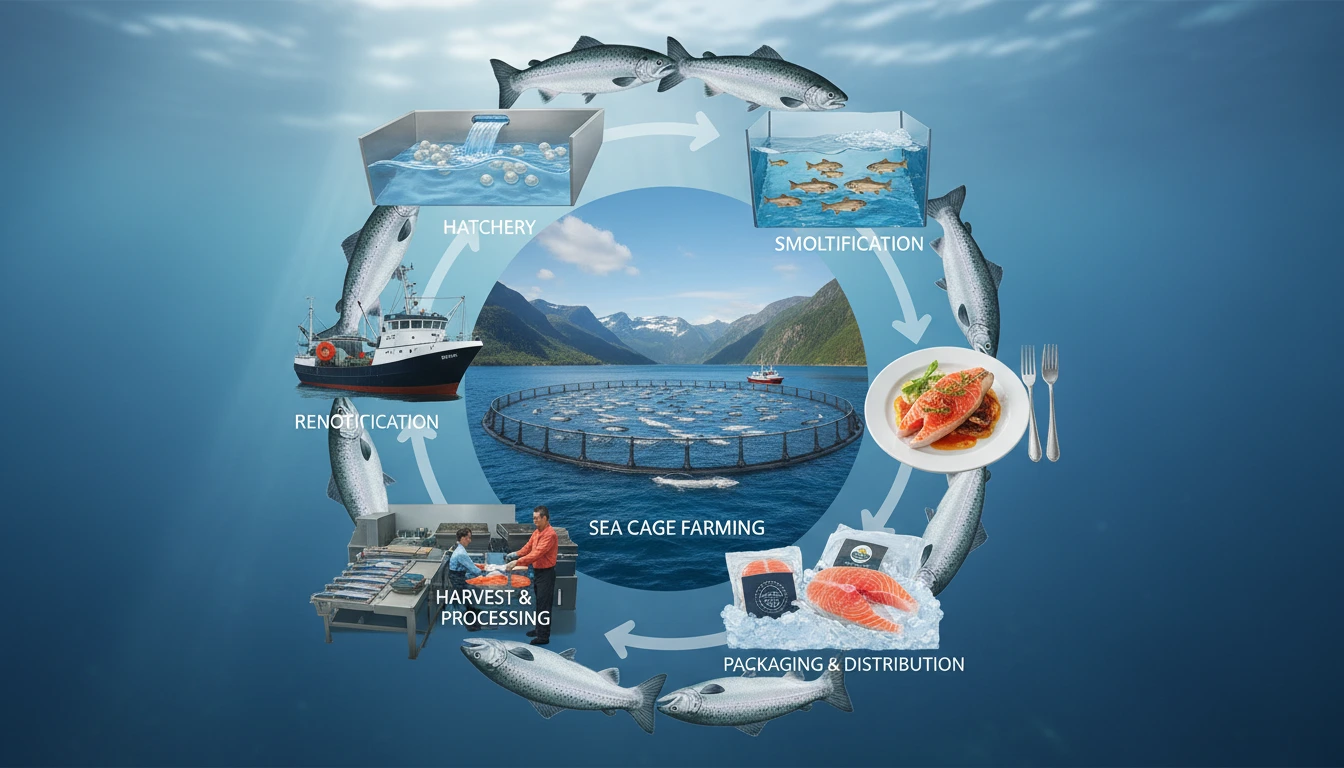
Salmon farming represents one of the fastest-growing segments of global food production. This intensive form of fish production involves raising salmon from eggs to market size in controlled environments, primarily in coastal net pens or land-based recirculating aquaculture systems (RAS).
Key Statistics:
- Global Production: Over 2.6 million metric tons annually
- Leading Producers: Norway, Chile, Scotland, Canada
- Market Value: $15+ billion global industry
- Growth Rate: 6-8% annually, outpacing wild catch fisheries
The importance of aquaculture extends beyond economics. As wild fish stocks face increasing pressure from overfishing and climate change, sustainable production offers a viable solution to meet growing global protein demand. Modern operations incorporate advanced technologies in genetics, nutrition, and environmental management to optimize production while minimizing ecological impact.
Benefits and Use Cases of Aquaculture
Successful salmon farming provides numerous benefits that extend throughout the food supply chain. From food security to economic development, this sector plays a crucial role in modern agriculture.
Economic Benefits
- High Profit Potential: Offers excellent return on investment with profit margins typically ranging from 15-30% for well-managed operations.
- Job Creation: Creates employment in rural coastal communities, from farm technicians to processing plant workers.
- Export Revenue: Farmed salmon represents a significant export commodity for producing countries.
Nutritional and Food Security Benefits
Farmed salmon provides a consistent, year-round supply of high-quality protein rich in omega-3 fatty acids, vitamins, and minerals. Compared to wild salmon, farmed production offers more predictable availability and pricing, making it accessible to broader consumer markets.
For those interested in other aquaculture ventures, consider exploring general fish farming techniques that complement salmon production.
Tips and Best Practices for Successful Operations
Modern production requires careful planning and execution. Here are essential tips for aspiring and established operators:
Site Selection and Preparation
Choosing the right location is critical for success. Ideal sites feature strong water currents (0.1-0.3 m/s), appropriate depth (minimum 10-15 meters), suitable temperature ranges (8-14°C), and protection from severe weather. Regular water quality monitoring is essential to maintain optimal conditions for salmon health and growth.
Stock Management Strategies
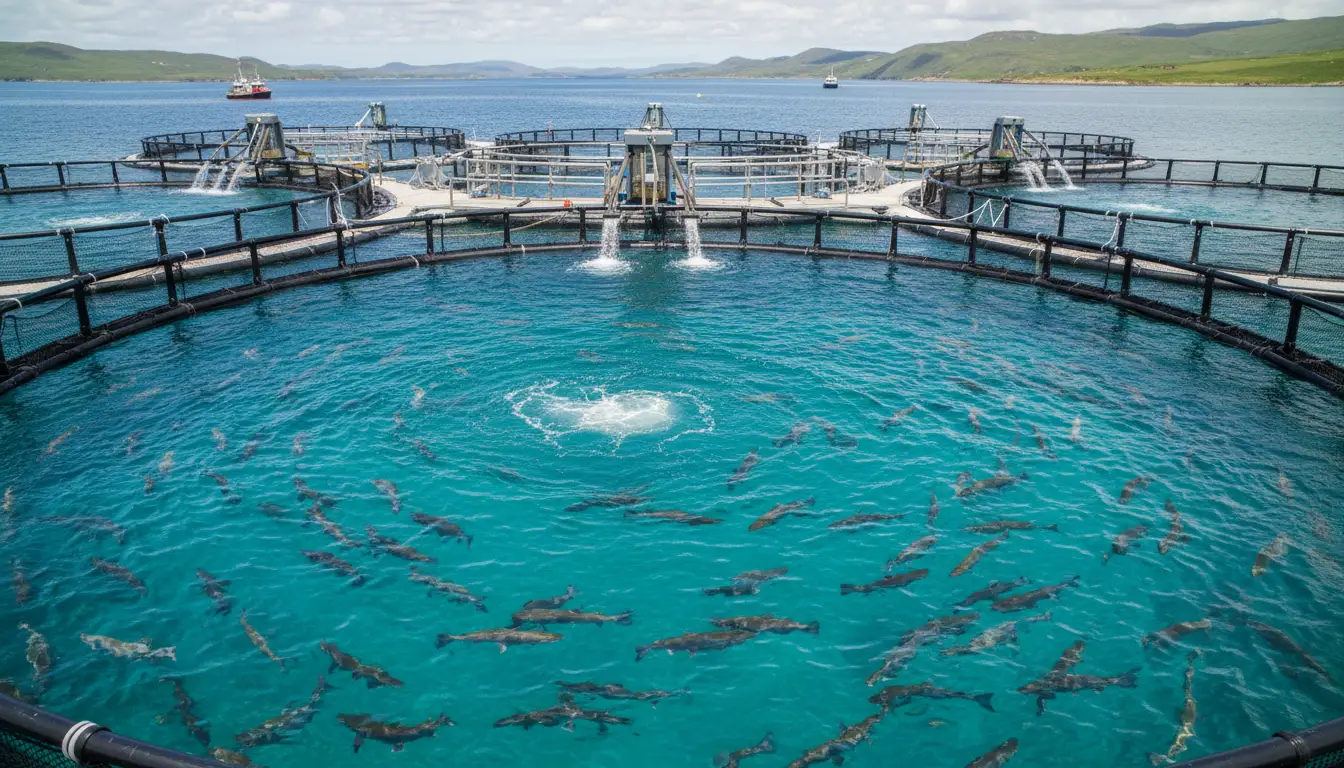
Effective salmon farming implements single-year-class stocking to prevent disease transmission between age groups. Maintain proper stocking densities based on your system type: 15-25 kg/m³ for sea cages, 50-80 kg/m³ for advanced RAS systems. Implement regular health monitoring and vaccination programs to prevent disease outbreaks.
Farmers considering alternative species should examine tilapia farming economics, which offers different advantages and challenges compared to salmon production.
Feed Optimization
Feed represents 50-60% of operational costs in salmon farming. Implement feeding strategies based on fish size, water temperature, and appetite. Use high-quality feeds with optimal protein-to-energy ratios (typically 40-45% protein, 25-30% fat). Monitor feed conversion ratios regularly and adjust feeding rates accordingly.
Related Concepts and Future Trends
The salmon farming industry continues to evolve with technological advancements and changing market demands. Understanding these trends is essential for long-term success.
Technological Innovations
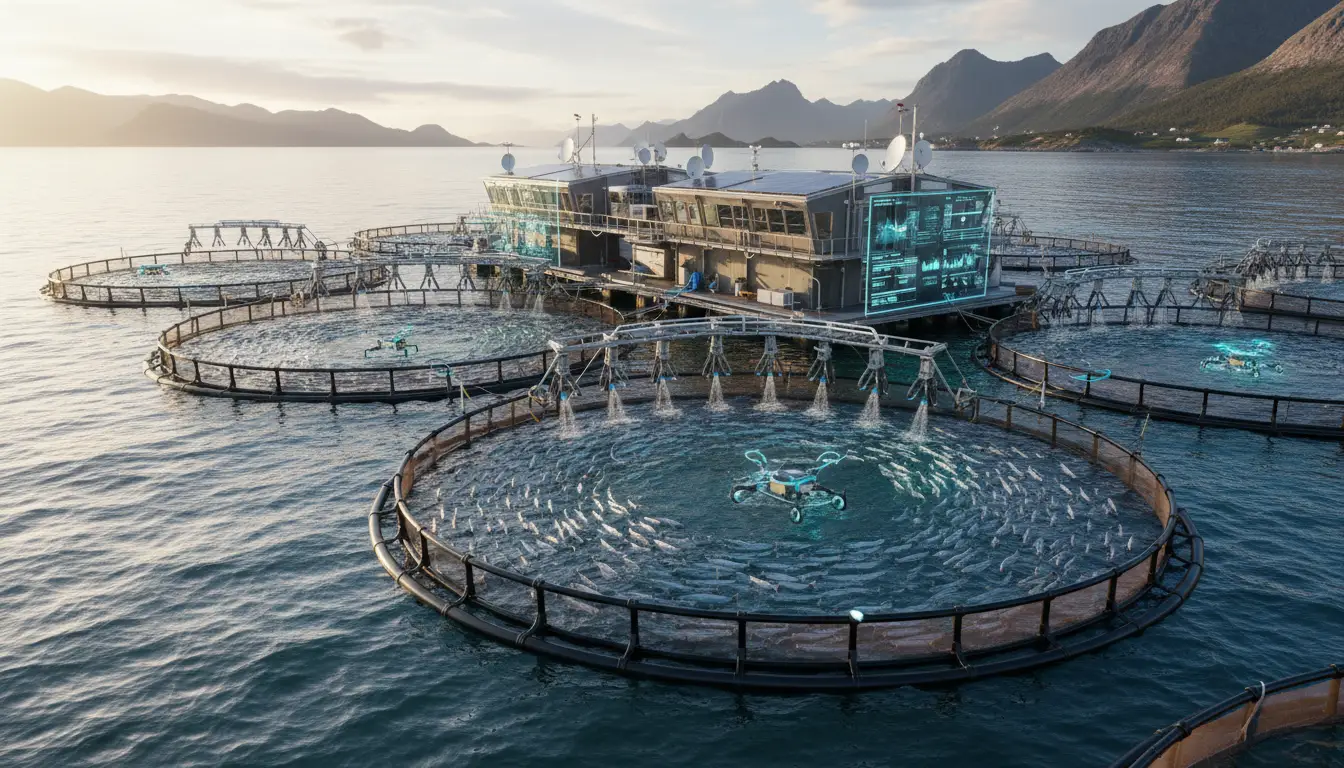
- Automated Monitoring: Sensors for water quality, feeding systems, and fish behavior
- Genetic Improvement: Selective breeding for growth rate, disease resistance, and feed efficiency
- Alternative Feeds: Development of sustainable feed ingredients to reduce reliance on fishmeal
- Land-based Systems: Advances in RAS technology enabling production inland
For comprehensive data on aquaculture statistics and regulations, consult the Food and Agriculture Organization (FAO) fisheries portal, an authoritative source for global aquaculture information.
Sustainability Challenges and Solutions
Modern production addresses environmental concerns through improved practices: reducing antibiotic use, implementing integrated pest management for sea lice, developing biodegradable materials, and optimizing feed formulations to minimize waste. Certification programs like ASC (Aquaculture Stewardship Council) provide standards for responsible operations.
For those exploring complementary aquaculture operations, catfish farming presents different opportunities with varying capital requirements and market dynamics.
Conclusion: The Future of Aquaculture
Salmon farming stands at the intersection of food production, technology, and sustainability. As global population growth increases protein demand, aquaculture will play an increasingly vital role in food security. Successful operations require balancing economic viability with environmental responsibility, leveraging technology to optimize production while minimizing ecological impact.
Key Takeaways for Aspiring Producers:
- • Start with thorough market research and feasibility studies
- • Invest in proper site selection and infrastructure
- • Prioritize fish health and welfare from day one
- • Implement technology for monitoring and optimization
- • Develop relationships with processors and buyers early
- • Stay informed about regulatory changes and certifications
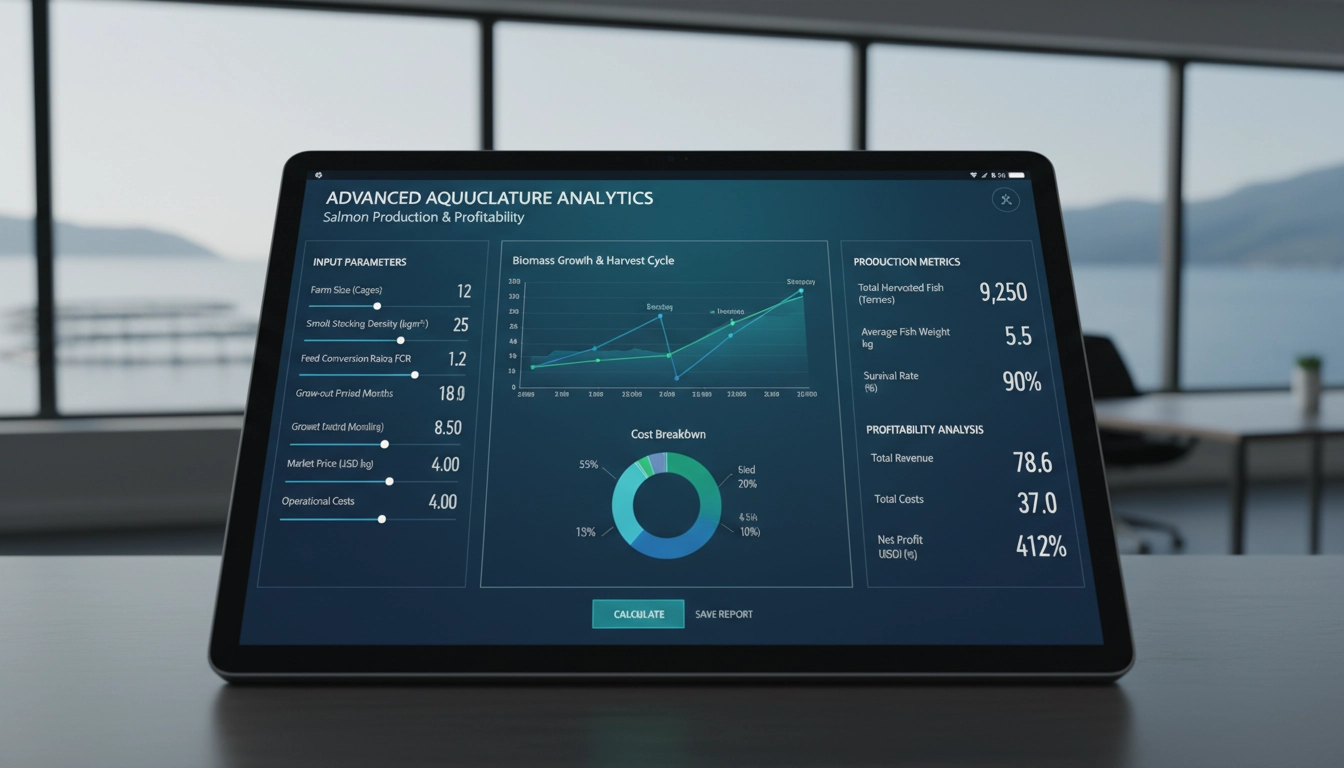
The salmon farming calculator provided on this page represents an essential tool for planning and optimizing aquaculture operations. By accurately projecting costs, yields, and profitability, farmers can make informed decisions that enhance both economic returns and sustainability. As the industry continues to evolve, tools like this will become increasingly important for maintaining competitiveness in the global marketplace.
Whether you're considering entering the industry or looking to optimize an existing operation, continuous learning and adaptation remain key to success. Stay updated with the latest research, connect with industry networks, and leverage technological tools to navigate the challenges and opportunities of modern aquaculture.