
Comprehensive Guide to Modern shellfish farming: Sustainable Aquaculture Practices
Mussel farming, a cornerstone of sustainable aquaculture, has emerged as one of the most environmentally friendly forms of food production. This comprehensive guide explores modern shellfish farming techniques, economic considerations, and environmental benefits that make shellfish aquaculture a promising solution for sustainable seafood production.
What is Mussel Farming and Why It Matters
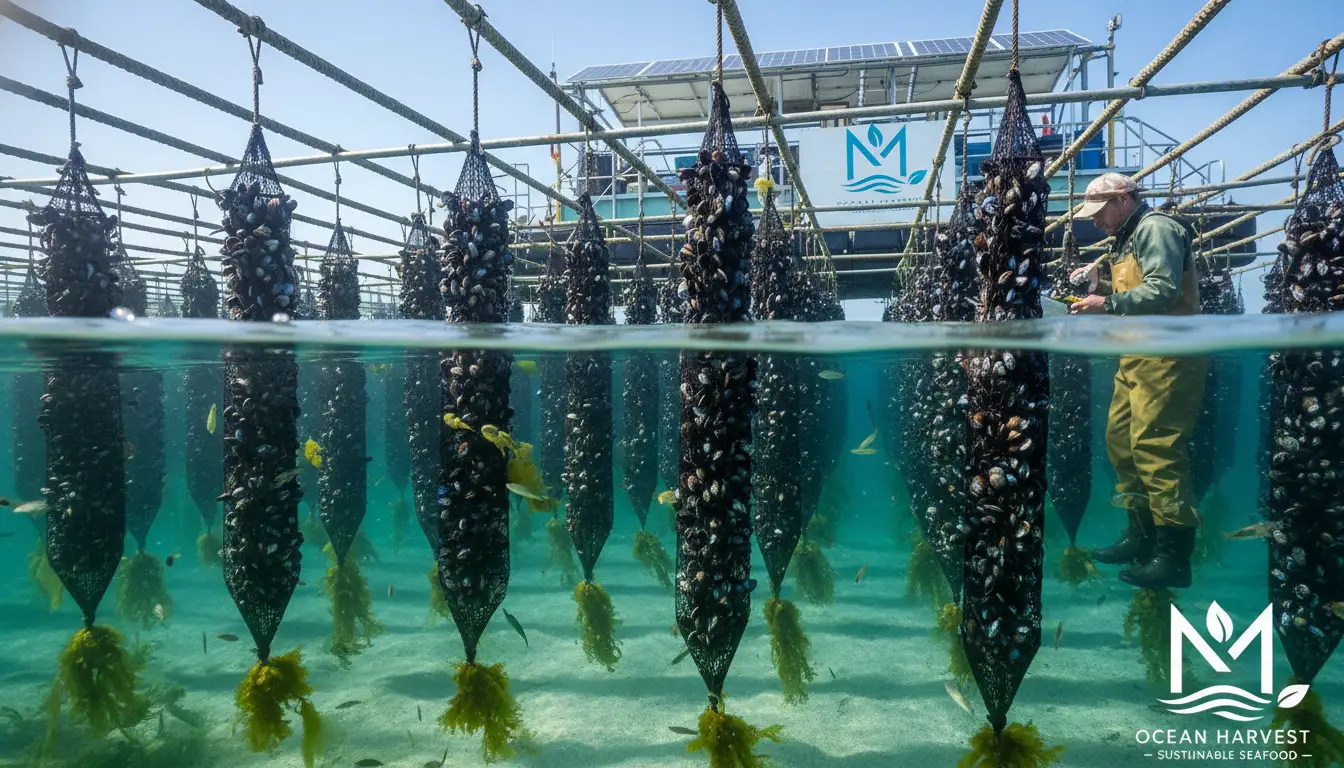
Mussel/shellfish farming involves the cultivation of mussels (primarily Mytilus species) in controlled aquatic environments for commercial harvest. Unlike many other forms of aquaculture, mussel farming requires no supplemental feeding, as mussels are filter feeders that consume naturally occurring phytoplankton. This makes shellfish farming exceptionally sustainable and environmentally benign.
The global mussel farming industry produces approximately 2 million metric tons annually, with major production centers in China, Spain, Chile, and New Zealand. shellfish farming matters because it provides high-quality protein with minimal environmental impact, supports coastal communities, and contributes to ecosystem services through water filtration and habitat creation.
Benefits and Use Cases of Modern Mussel Farming
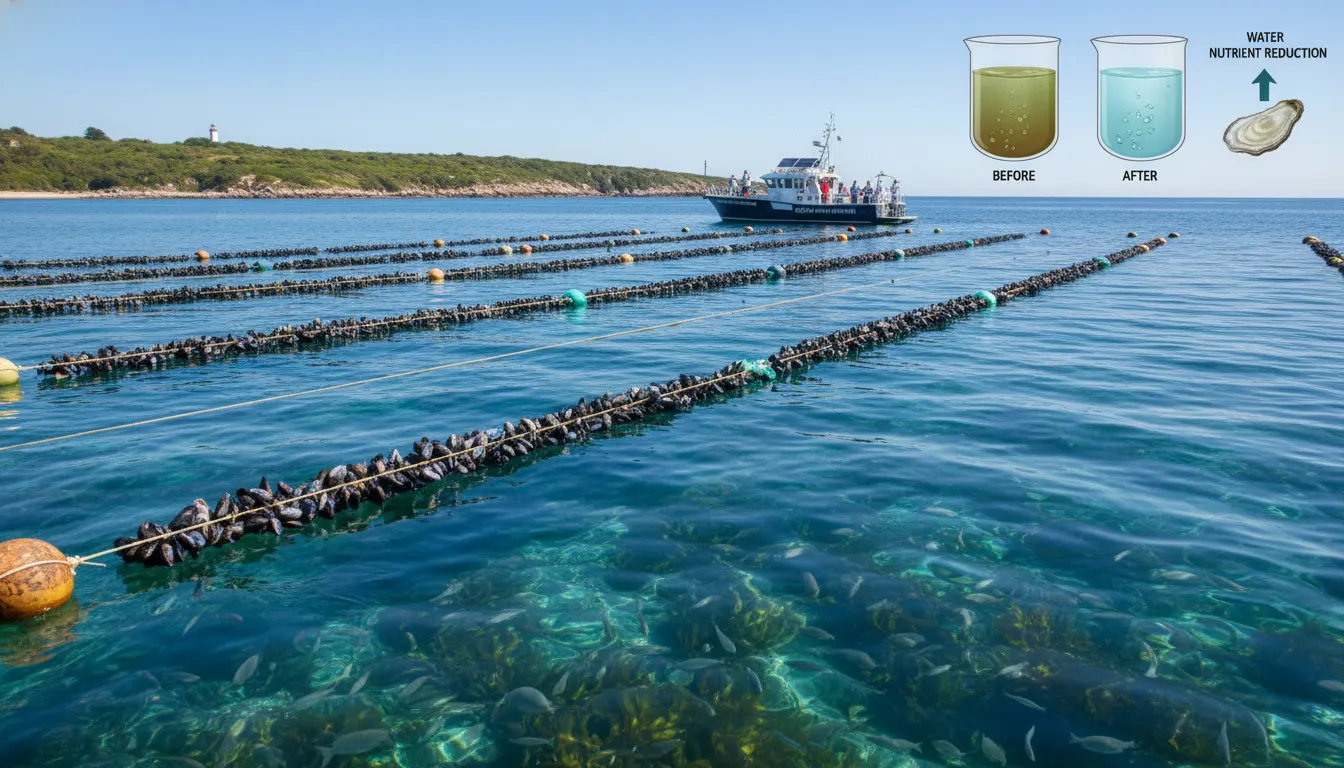
Modern shellfish farming offers numerous advantages over traditional capture fisheries and other forms of aquaculture. These include minimal environmental footprint, no requirement for fishmeal or antibiotics, and positive ecosystem impacts through nutrient cycling and water filtration.
Key applications of mussel farming include:
- Commercial food production for local and international markets
- Ecosystem services including water quality improvement and nutrient mitigation
- Integrated multi-trophic aquaculture (IMTA) combining mussels with fish or seaweed farming
- Coastal community development through job creation and economic diversification
- Research and education in sustainable aquaculture practices
- Bio-remediation projects to address eutrophication in coastal waters
For those interested in diversified aquaculture operations, consider exploring our Oyster Farming calculator to compare production methods and profitability across different shellfish species.
Tips and Best Practices for Successful Mussel Farming
Successful mussel aquafarming begins with proper site selection. Ideal locations feature good water exchange (currents of 10-30 cm/sec), adequate depth (5-20 meters), appropriate salinity (20-30 ppt), and freedom from pollution sources. Regular water quality monitoring is essential for maintaining optimal growing conditions.
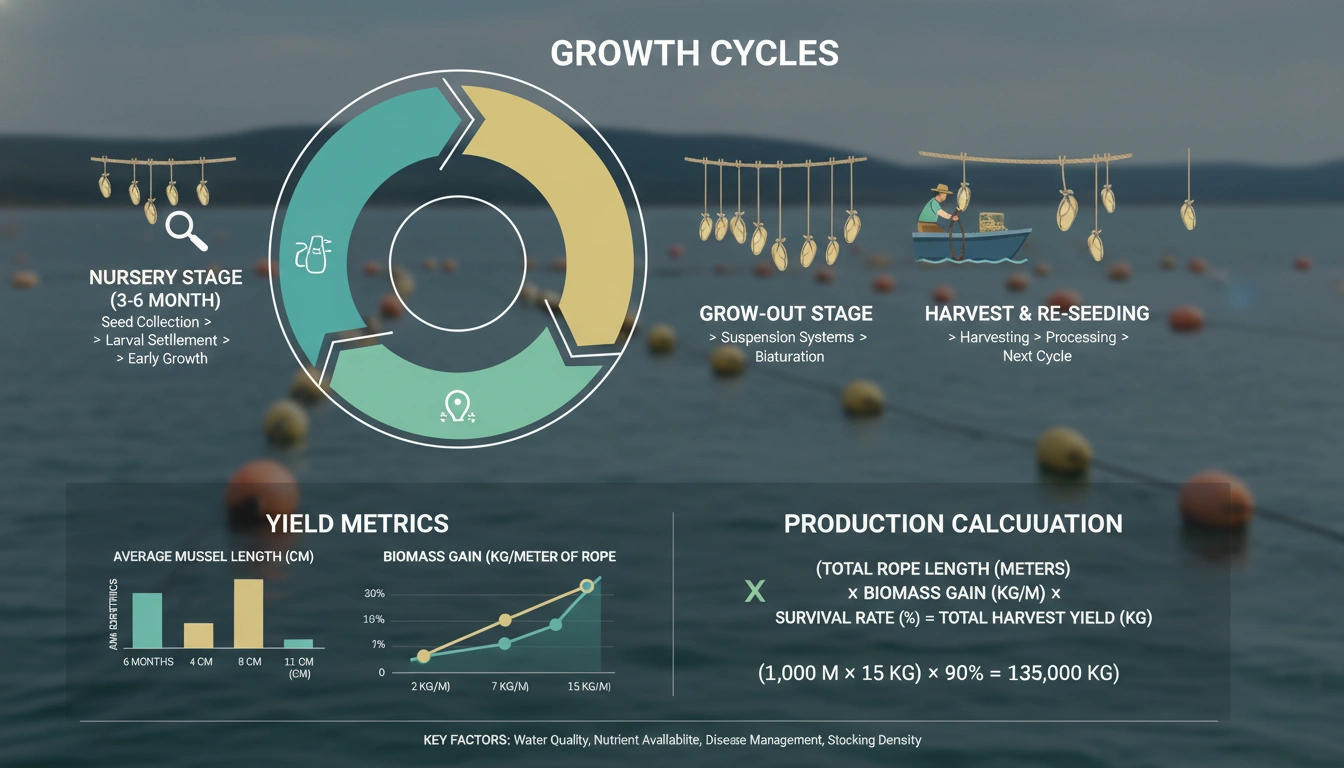
Production management represents a critical component of mussel aquafarming operations. Implementing proper stocking densities (typically 150-300 seeds per meter of rope), regular maintenance schedules for biofouling control, and strategic harvesting timing (when mussels reach 50-60mm) can significantly impact productivity and profitability.
Health and quality management is another essential aspect. While mussels are generally resistant to disease, monitoring for harmful algal blooms, maintaining proper handling practices during processing, and implementing Hazard Analysis Critical Control Point (HACCP) systems ensures product safety and market access.
For complementary crustacean aquaculture opportunities, our Crab Farming calculator provides specialized tools for evaluating production costs and returns in crustacean aquaculture.
Technical Innovations in Mussel Farming
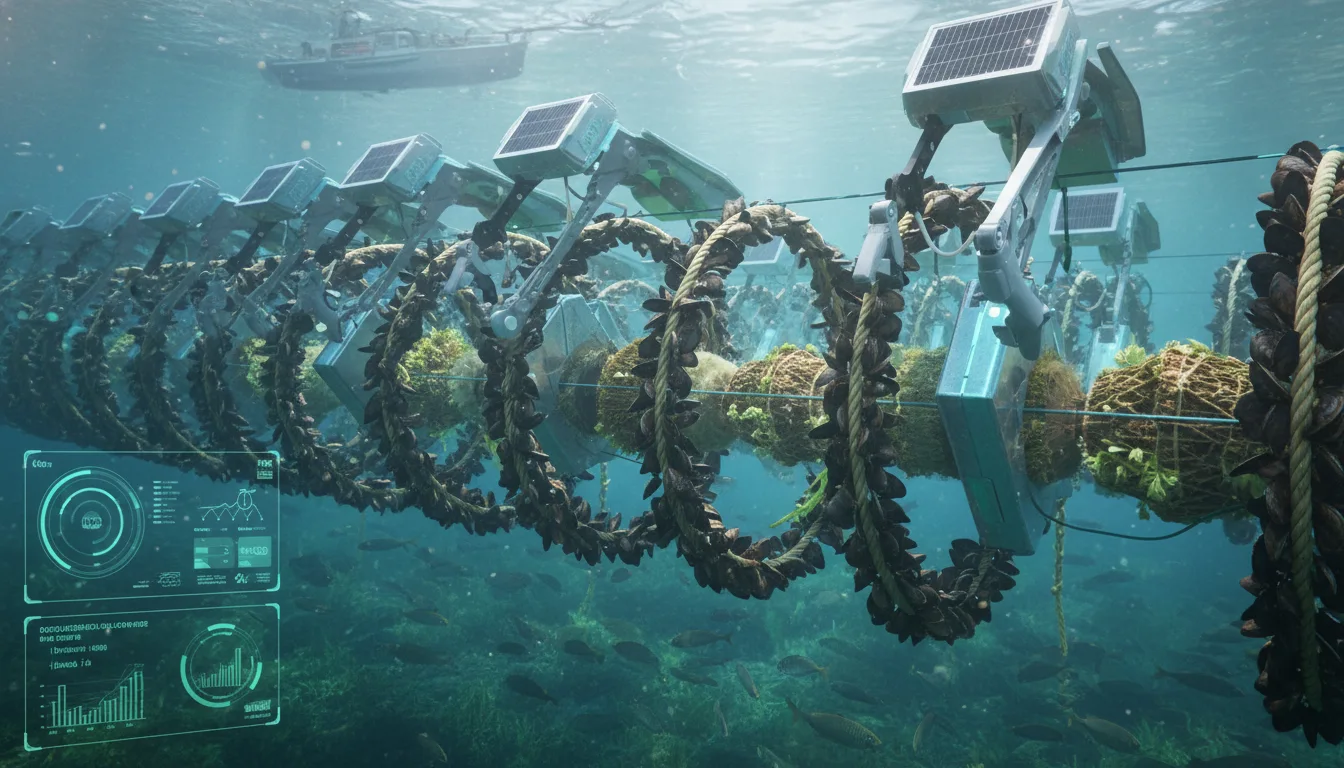
The mussel farming industry has seen significant technological advancements in recent years. Automated grading and processing equipment, remote monitoring systems for farm conditions, improved seeding techniques, and advanced harvesting methods have increased efficiency and reduced labor requirements.
Genetic research has led to the development of faster-growing mussel strains with improved disease resistance and meat yields. Integrated monitoring systems now allow farmers to track growth rates, environmental conditions, and potential threats in real-time, enabling proactive management decisions.
For those considering higher-value shellfish species, our Lobster Farming calculator offers insights into the specialized requirements and potential returns of crustacean aquaculture operations.
Future Trends in Mussel Farming
The future of mussel farming lies in further integration of technology, sustainability practices, and market diversification. Climate-resilient farming systems, offshore aquaculture developments, and value-added product innovations will drive industry growth. Consumer preferences for sustainable, traceable seafood will continue shaping production practices and market opportunities.
Regenerative aquaculture practices that enhance ecosystem services while producing food will become increasingly important. Research into mussel farming's role in carbon sequestration, nutrient cycling, and habitat restoration will further demonstrate its environmental benefits beyond food production.
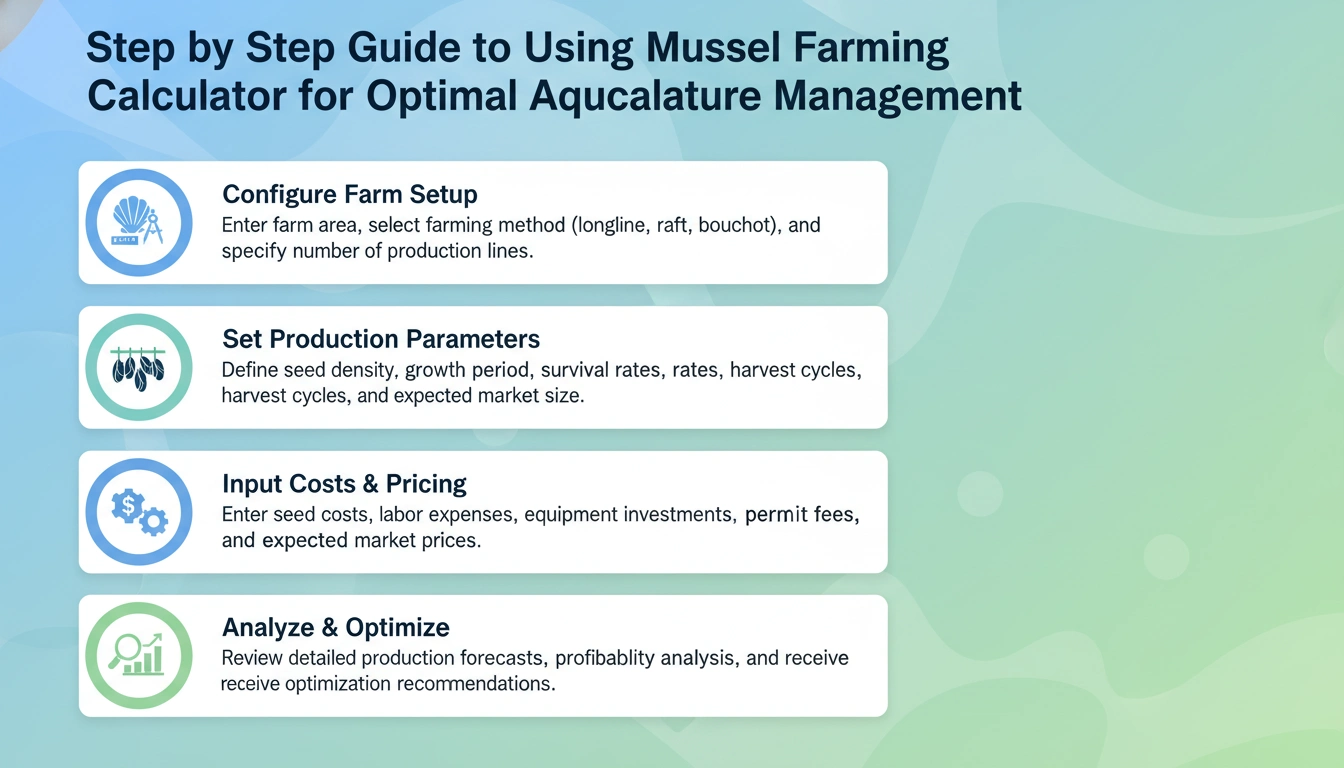
Ultimately, successful mussel farming balances economic viability with environmental stewardship and social responsibility. By using tools like our Mussel Farming calculator, producers can make informed decisions that optimize all aspects of sustainable shellfish aquaculture, creating resilient operations that benefit ecosystems, communities, and consumers alike.