
Complete Guide to Profitable Alpaca Farming
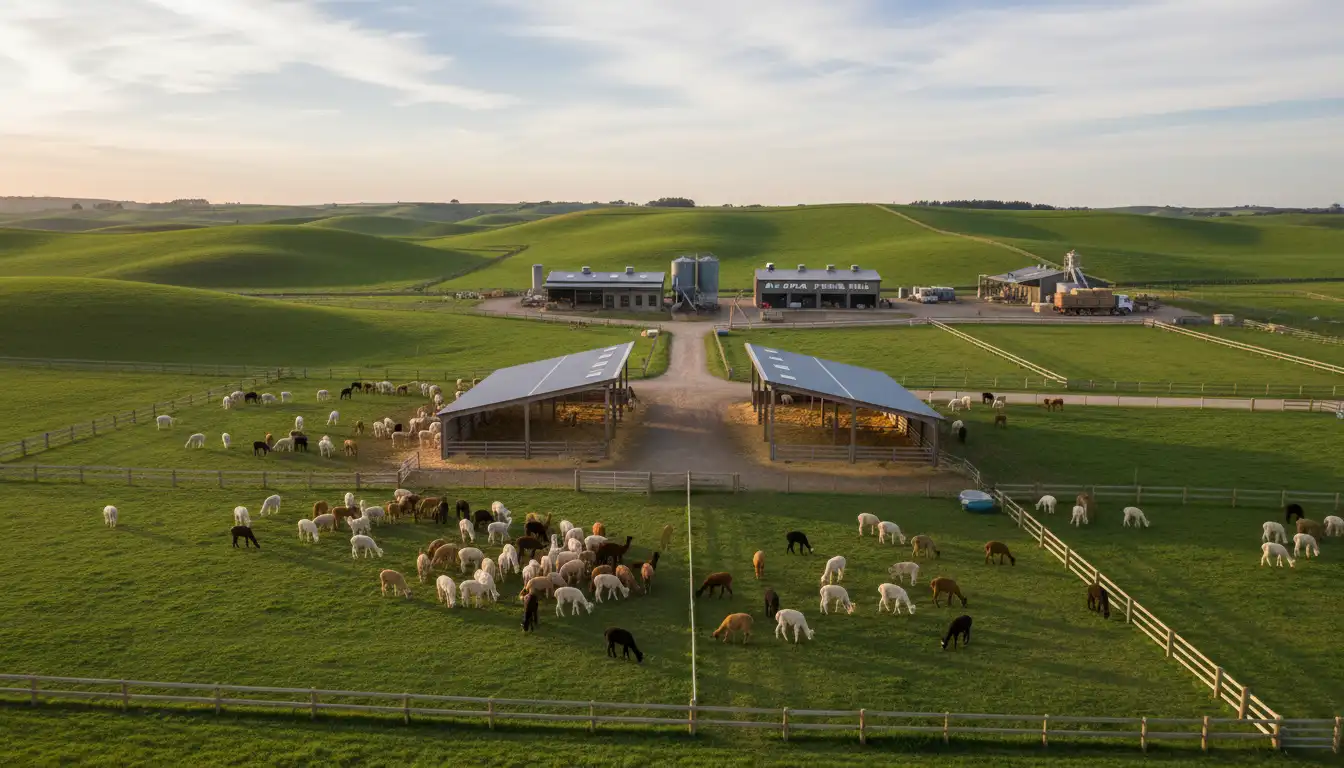
What is Alpaca Farming and Why It Matters
Alpaca farming, also known as alpaca husbandry, is the practice of raising alpacas for their luxurious fiber, breeding stock, and in some cases, as companion animals or for agritourism. These gentle camelids, native to the Andes Mountains of South America, have gained global popularity due to their high-quality fiber that is warmer than wool, hypoallergenic, and comes in 22 natural colors.
The global alpaca fiber market has experienced significant growth, driven by increasing demand for sustainable, natural fibers in the fashion industry. Unlike synthetic materials, alpaca fiber is biodegradable, renewable, and has a smaller environmental footprint. According to the Food and Agriculture Organization of the United Nations, sustainable livestock systems like alpaca farming play a crucial role in rural development and environmental conservation.
Alpaca farming represents a unique opportunity in the specialty livestock sector. With proper management, alpacas can thrive in various climates beyond their native Andes, from the cold regions of North America and Europe to the temperate zones of Australia and New Zealand. Their efficient grazing habits and padded feet cause less damage to pastures compared to other livestock, making them suitable for sustainable land management practices.
Benefits and Use Cases of Alpaca Farming
Alpaca farming offers several compelling advantages that make it an attractive agricultural venture:
- Premium Fiber Production: Alpaca fiber is among the world's finest natural fibers, commanding premium prices. It's softer than wool, contains no lanolin (making it hypoallergenic), and provides superior warmth without bulk.
- Multiple Revenue Streams: Successful alpaca farms generate income from fiber sales, breeding services, animal sales, agritourism, fiber processing, and finished products like yarn, clothing, and crafts.
- Sustainable Agriculture: Alpacas have soft padded feet that don't damage pastures, efficient digestive systems that reduce methane production, and they can thrive on marginal land unsuitable for other livestock.
- Low Maintenance: Compared to other livestock, alpacas require relatively low maintenance. They're generally healthy, easy to handle, and don't require complex housing or equipment.
- Breeding Appreciation: High-quality breeding stock can appreciate in value significantly, with champion alpacas selling for $20,000-$50,000+ at auction.
Tips and Best Practices for Successful Alpaca Farming
To maximize profitability and ensure animal welfare in your alpaca farming operation, follow these expert recommendations:
1. Selective Breeding Program: Focus on breeding for fiber quality, conformation, and temperament. Keep detailed records of bloodlines, fiber metrics (micron count, density, uniformity), and health history. Consider DNA testing for genetic disorders. Join breed registries to increase animal value and marketability.
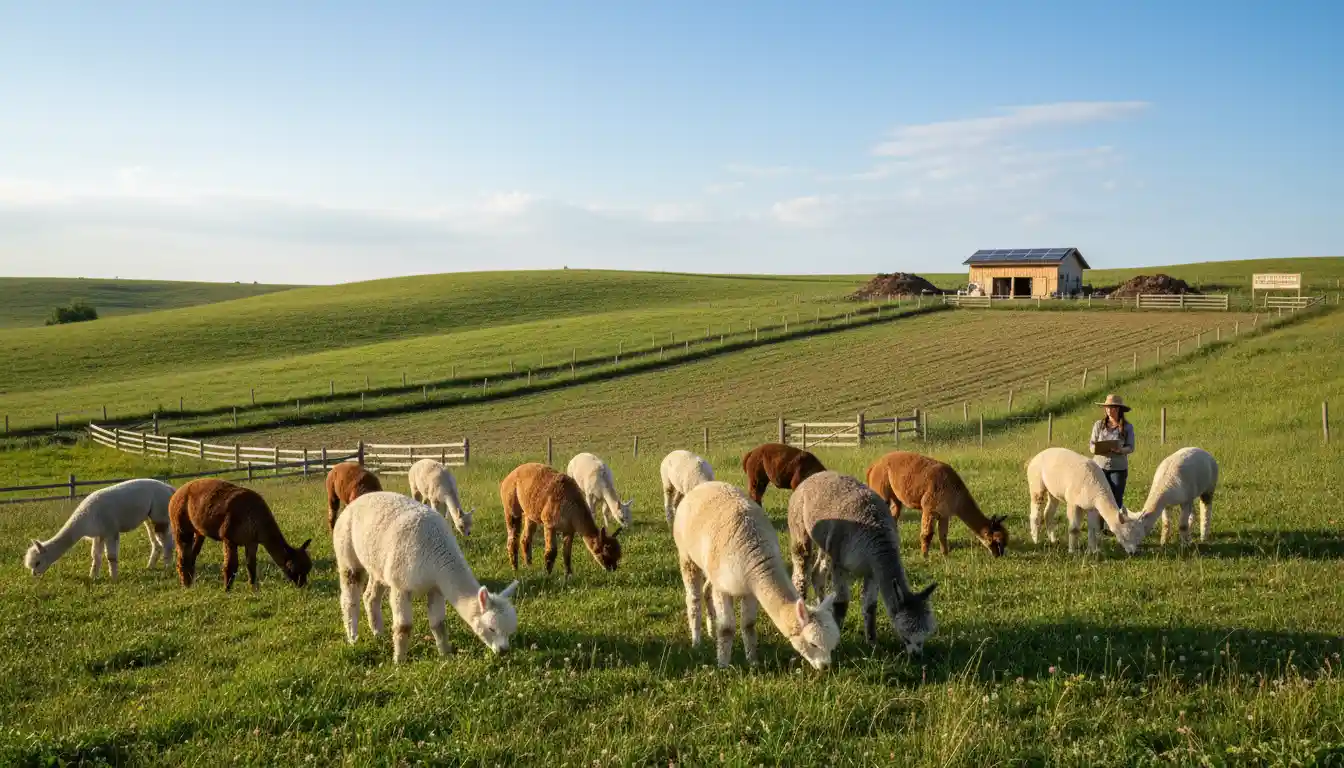
2. Pasture and Nutrition Management: Implement rotational grazing to prevent parasite buildup and maintain pasture health. Provide mineral supplements specifically formulated for camelids, as alpacas have different mineral requirements than other livestock. Ensure constant access to clean water and provide shelter from extreme weather.
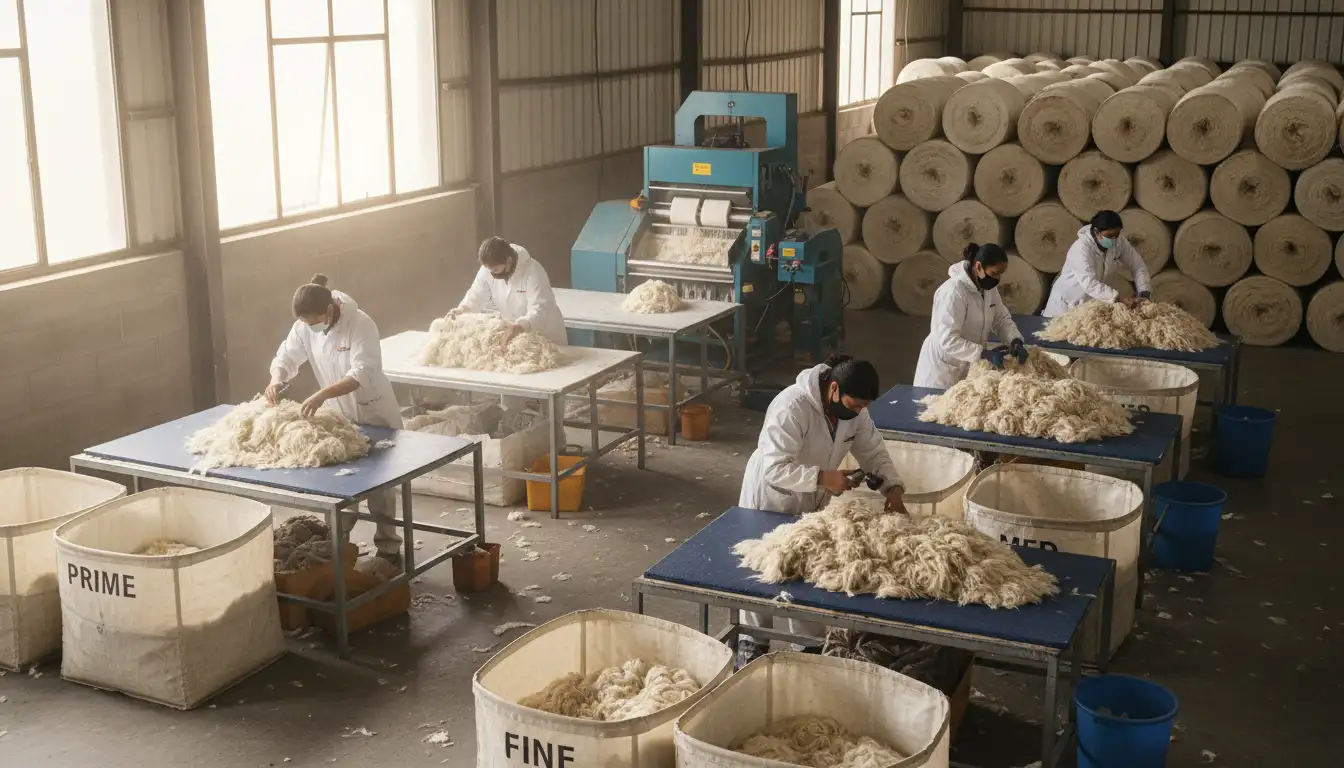
3. Fiber Quality Optimization: Time shearing for spring when animals are less likely to experience temperature stress. Use professional shearers or get proper training to avoid second cuts that reduce fiber value. Skirt fleeces meticulously to remove vegetation and dirty portions. Classify fiber by micron count, color, and quality for optimal pricing.
4. Health and Biosecurity: Establish a relationship with a veterinarian experienced with camelids. Implement a regular vaccination and deworming schedule. Quarantine new animals for 30 days before introducing them to your herd. Monitor for signs of common alpaca health issues like meningeal worm, dental problems, and obesity.
5. Business Diversification: Don't rely solely on fiber sales. Develop multiple income streams including breeding services, animal sales, agritourism, fiber processing, and finished products. Consider adding complementary enterprises like rabbit farming for additional fiber diversity or developing a farm store for direct-to-consumer sales.
6. Marketing and Networking: Join alpaca associations and participate in shows to network with other breeders and buyers. Develop a strong online presence with professional photography of your animals and their fiber. Consider value-added products like roving, yarn, and finished goods which command higher prices than raw fiber.
Related Concepts and Integration
Alpaca farming often integrates with other agricultural and craft enterprises. Many successful operations combine alpaca husbandry with silkworm farming to create unique fiber blends. The manure from alpacas makes excellent, nearly odorless fertilizer for gardens, creating additional value from waste products.
For farms focusing on fiber arts tourism, pairing alpaca experiences with farm-to-table culinary events can create compelling visitor packages. In educational settings, alpaca farms can partner with schools and community groups to teach about sustainable agriculture, fiber arts, and animal husbandry.
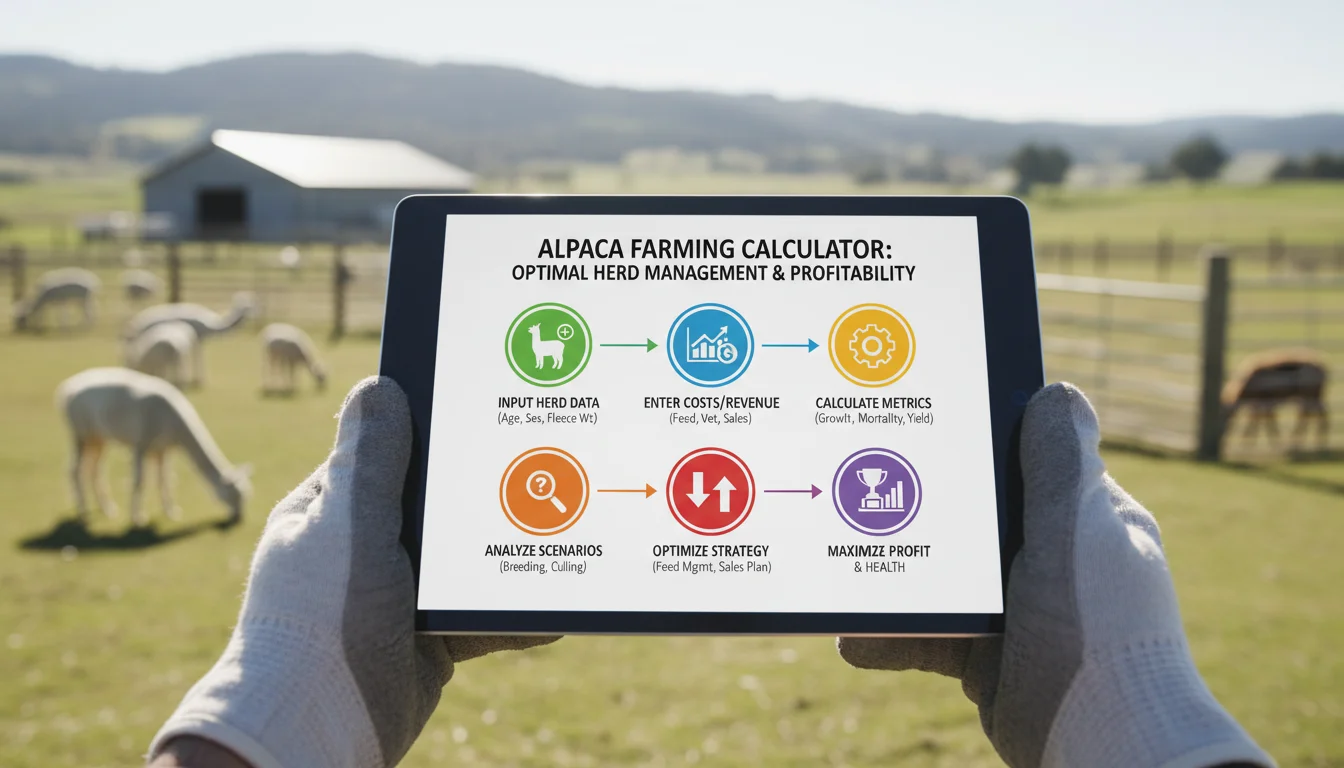
Successful alpaca farmers often develop expertise in multiple areas including pasture management, animal genetics, fiber science, marketing, and small business management. The learning curve can be steep, but resources like our advanced alpaca farming calculator and AI assistant help new and experienced farmers make data-driven decisions about their operations.
Key Takeaways for Aspiring Alpaca Farmers
- • Start with 3-5 quality alpacas rather than many mediocre animals
- • Focus on fiber quality and genetics from the beginning
- • Develop multiple revenue streams beyond just fiber sales
- • Use our advanced alpaca farming calculator to model different business scenarios
- • Network with experienced breeders and join alpaca associations
- • Prioritize animal welfare and sustainable practices for long-term success
- • Consider starting with smaller livestock to gain animal husbandry experience
Alpaca farming represents a sustainable and potentially profitable niche in the agricultural sector. While it requires significant initial investment and specialized knowledge, the combination of premium fiber production, breeding opportunities, and agritourism potential creates a compelling business model. By combining traditional husbandry knowledge with modern tools like our advanced calculator and AI assistant, you can build a successful alpaca farming operation that meets market demands while ensuring excellent animal welfare and environmental stewardship.