
Comprehensive Guide to Elephant Domestication: Profitability, Care, and Management
Elephant domestication represents one of humanity's oldest interspecies relationships, dating back over 4,000 years in regions like the Indus Valley. Today, modern elephant taming practices balance traditional knowledge with contemporary animal welfare standards and economic sustainability. This comprehensive guide explores the multifaceted world of elephant taming, providing insights into successful operations worldwide.
What is Elephant Domestication and Why It Matters
Elephant domestication involves the raising and training of elephants for various human uses, distinct from wild elephant populations. Unlike many domesticated animals, elephants maintain much of their wild instincts and social structures even in captive environments. This unique aspect of elephant taming requires specialized knowledge of elephant behavior, physiology, and social needs.
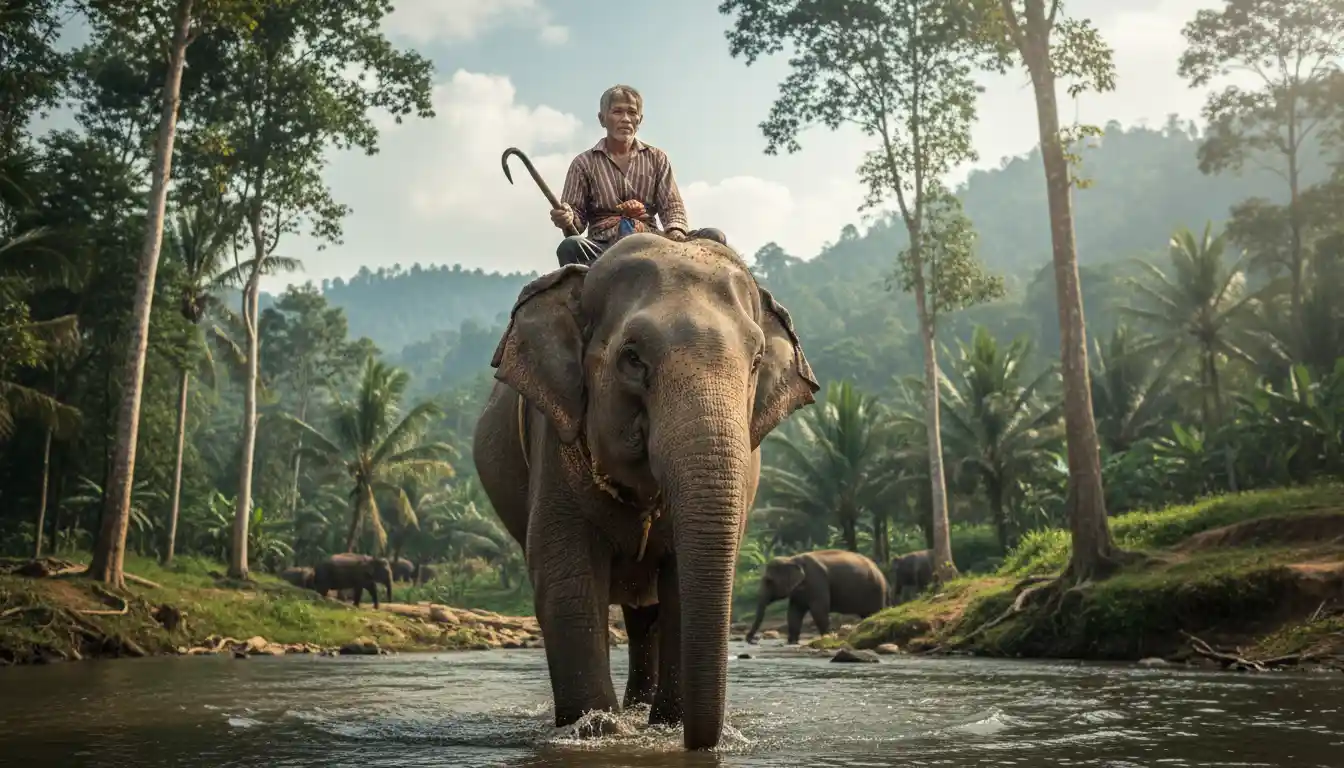
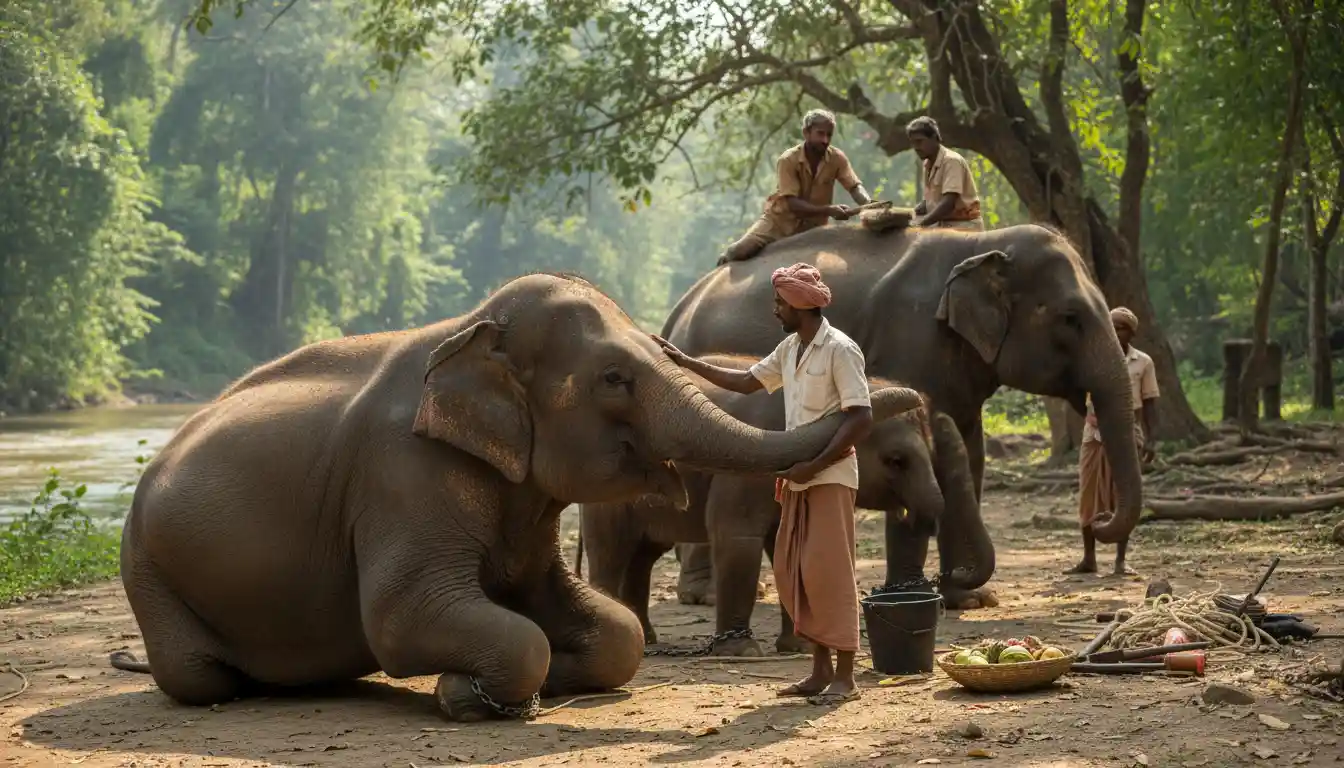
According to the Food and Agriculture Organization of the United Nations, sustainable elephant domestication practices can contribute to local economies while supporting conservation efforts through controlled breeding programs. In regions like Thailand, India, and parts of Africa, elephant taming has cultural significance dating back centuries, with traditional knowledge passed down through generations of mahouts (elephant caretakers).
Benefits and Use Cases of Modern Elephant Domestication
The benefits of elephant taming extend beyond economic considerations. Well-managed domesticated elephant populations can support conservation efforts by providing genetic diversity and serving as ambassadors for wild elephant protection. Modern elephant taming operations typically focus on several key applications:
Eco-Tourism and Educational Programs
Responsible elephant tourism represents one of the most sustainable applications of elephant taming. Well-managed sanctuaries and eco-tourism operations provide income for local communities while offering elephants improved living conditions compared to traditional working environments. Educational programs associated with these operations raise awareness about elephant conservation challenges.
Forestry and Conservation Work
In some regions, domesticated elephants continue to play valuable roles in forestry operations, particularly in sensitive environments where machinery would cause excessive damage. Their ability to navigate difficult terrain and selectively move timber makes them valuable for sustainable forestry practices. Additionally, elephants sometimes assist in conservation work, such as clearing invasive plant species or creating firebreaks.
Cultural Preservation
In many Asian cultures, elephants hold significant religious and historical importance. Elephant taming in these contexts helps preserve traditional knowledge, rituals, and crafts associated with elephant care. Festivals and ceremonies featuring domesticated elephants maintain cultural continuity while often providing economic benefits to local communities.
For those interested in alternative livestock options with different care requirements, our Llama Farming Calculator provides specialized tools for camelid management, while the Reindeer Farming Calculator caters to cold-climate livestock operations.
Optimizing Your Elephant taming Operation
Successful elephant taming requires careful planning and management. Our calculator helps with several critical aspects of elephant taming operations:
Key Optimization Strategies
- Habitat Management: Elephants require substantial space with varied terrain, water sources, and appropriate vegetation. Implementing rotational grazing areas helps maintain habitat quality and prevent overgrazing in elephant taming settings.
- Social Structure Preservation: Elephants are highly social animals. Successful elephant domestication operations maintain appropriate social groupings that respect natural herd structures while ensuring human safety.
- Health Maintenance: Regular veterinary care, proper nutrition, and preventive medicine are essential components of responsible elephant taming. Our calculator's health module helps budget for these critical expenses.
- Revenue Diversification Developing multiple income streams—including tourism, educational programs, and cultural activities—enhances the financial stability of elephant taming operations.
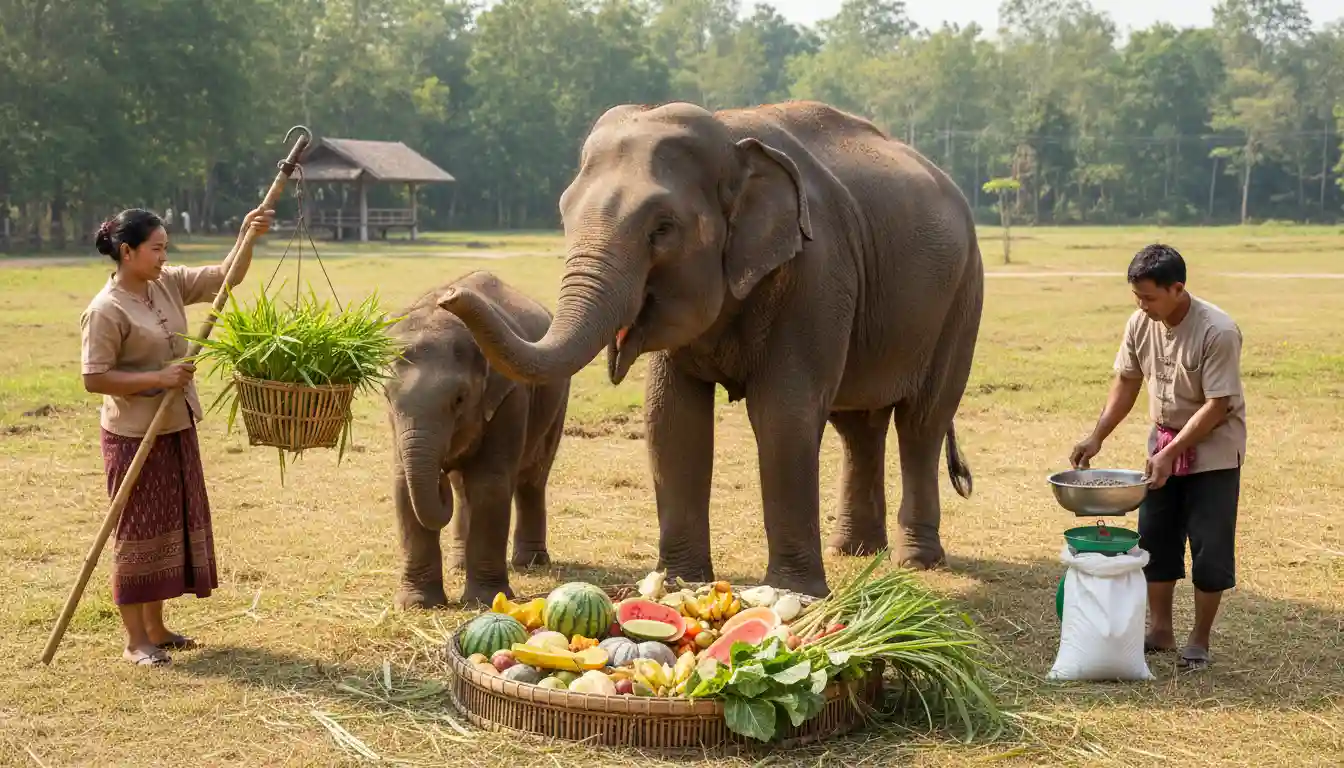
Feed costs typically represent 50-65% of total expenses in elephant taming operations. Our calculator's feed requirement module helps optimize feeding strategies based on elephant weight, activity level, and local forage availability. Implementing efficient feeding practices can reduce costs by 15-30% without compromising elephant health.
Financial Planning and Profitability Analysis
Financial viability in elephant taming depends on multiple factors. Initial investment for a small operation (2-5 elephants) with appropriate facilities ranges from $100,000 to $500,000. Break-even typically occurs in years 5-10, with established operations achieving 10-20% profit margins when optimally managed.
The Elephant Domestication Calculator incorporates regional market variations, allowing operators to adjust calculations based on local tourism rates, feed costs, and veterinary service rates. This geographic customization provides more accurate projections than generic animal husbandry calculators. For operations considering value-added products, our Meat Cooking Time Calculator can assist with product development planning.
Sustainable Practices and Future Trends in Elephant Domestication
Sustainability represents both a challenge and opportunity in modern elephant domestication. These megaherbivores have significant environmental impacts that must be carefully managed. However, their potential role in conservation and eco-tourism creates opportunities for positive environmental contributions.
Emerging trends in the elephant domestication industry include:
- Non-Invasive Monitoring Technologies: GPS tracking, drone surveillance, and health monitoring wearables are increasingly used in elephant domestication to improve welfare without disrupting natural behaviors.
- Genetic Management Programs: Carefully planned breeding programs maintain genetic diversity in domesticated elephant populations while supporting conservation goals.
- Integrated Conservation Models: Some elephant domestication operations now function as part of larger conservation initiatives, with domesticated elephants participating in habitat restoration or serving as educational ambassadors.
- Welfare Certification Systems: Independent certification programs help consumers identify elephant taming operations that meet high welfare standards, creating market incentives for improved practices.
Elephant Domestication Best Practices and Ethical Considerations
Responsible elephant domestication requires adherence to evolving ethical standards and best practices. Key considerations include:
Positive Reinforcement Training
Modern elephant taming increasingly relies on positive reinforcement techniques rather than traditional methods that may involve punishment or dominance. This approach builds trust between elephants and caretakers while reducing stress for both animals and humans.
Freedom of Movement
Contemporary elephant taming facilities design environments that allow elephants substantial freedom of movement and choice. This includes access to varied terrain, opportunities for natural behaviors like mud wallowing and social interaction, and minimized time spent in restraints.
Lifelong Care Commitment
With elephants living 60-70 years in captivity, responsible elephant taming requires long-term planning for each animal's entire lifespan. This includes provisions for elderly elephants who may require specialized care and accommodations.
Conclusion: The Future of Elephant Domestication
Elephant taming represents a complex intersection of cultural tradition, economic activity, animal welfare science, and conservation biology. Successful modern operations balance these competing demands through careful planning, ethical practices, and financial sustainability. Our free Elephant taming Calculator provides the tools needed to make informed decisions about herd management, feed requirements, and financial projections in this specialized field.
Whether you're expanding an existing operation or considering entering the field of elephant domestication, thorough calculation and planning are essential for both ethical and economic success. The future of elephant domestication lies in operations that prioritize elephant welfare while creating sustainable economic models that support both animals and human communities.