The Complete Guide to Sustainable Kangaroo Ranching
What is Kangaroo Ranching and Why It Matters
Kangaroo ranching represents a revolutionary approach to sustainable animal agriculture that addresses many environmental concerns associated with traditional livestock farming. Unlike conventional cattle farming, kangaroo ranching operates with significantly lower water requirements—kangaroos need approximately 90% less water than cattle per kilogram of meat produced. This makes kangaroo ranching particularly valuable in arid regions and areas facing water scarcity challenges.
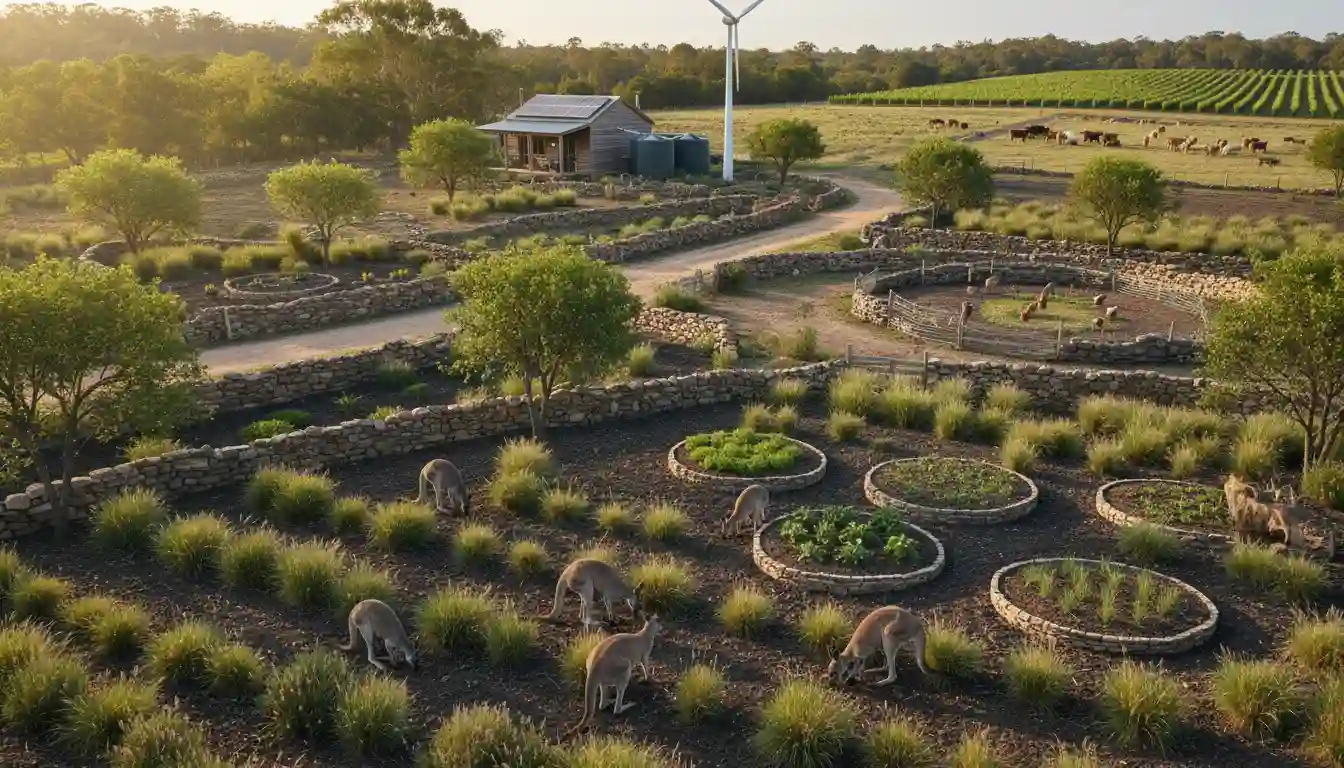
The practice of kangaroo ranching involves managed harvesting within sustainable population limits, ensuring ecological balance while providing economic benefits. Kangaroos have evolved to thrive in Australia's delicate ecosystems without causing the soil compaction and vegetation damage associated with hard-hoofed animals. Their unique digestive systems produce minimal methane—a potent greenhouse gas that contributes substantially to climate change from traditional livestock.
Key Insight:
Kangaroo ranching can reduce water usage by 90% and methane emissions by 99% compared to traditional beef production, making it one of the most sustainable forms of animal protein production available today.
Benefits and Practical Applications
The benefits of kangaroo ranching extend beyond environmental sustainability. From a nutritional perspective, kangaroo meat is exceptionally lean with less than 2% fat content, high in protein, and rich in conjugated linoleic acid (CLA) and omega-3 fatty acids. These nutritional characteristics align with growing consumer demand for healthier meat options.
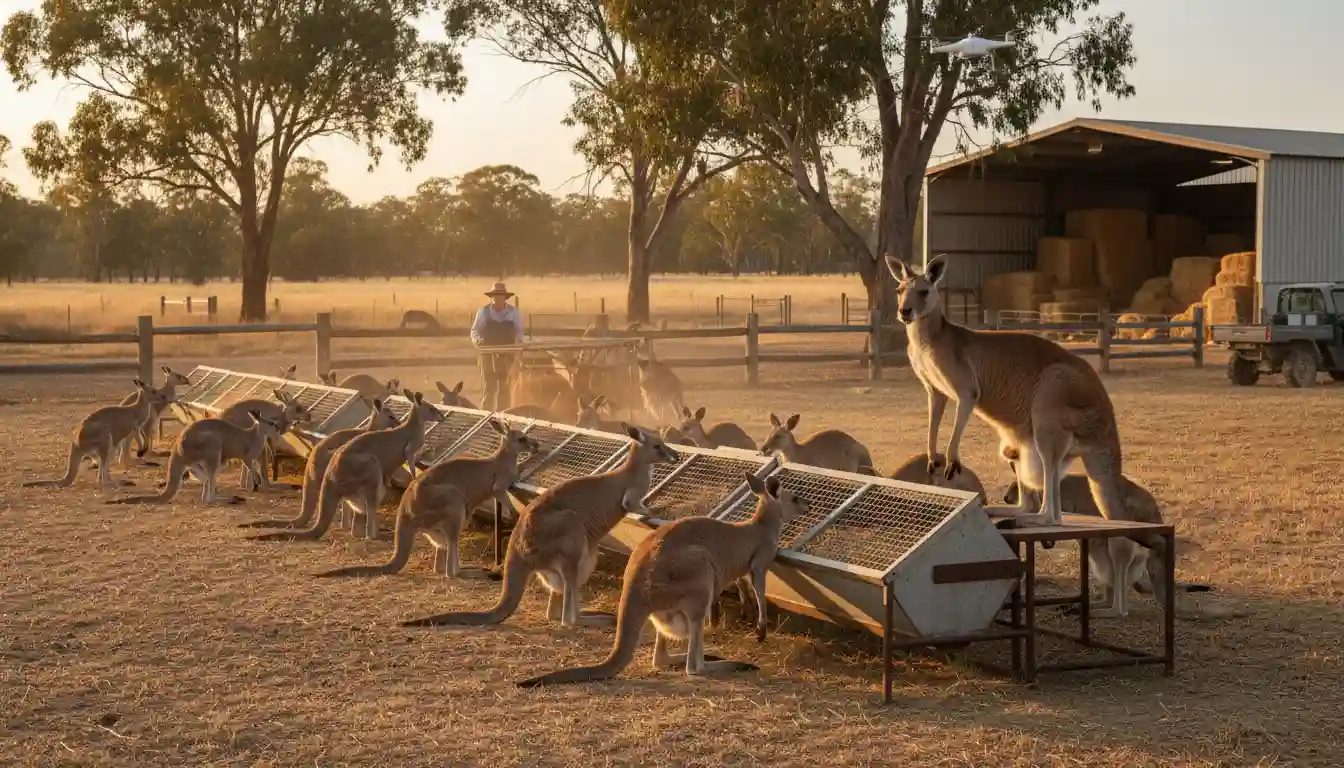
Economic benefits of kangaroo ranching include diversified income streams. Beyond meat production, kangaroo leather represents a premium product known for its strength and unique grain pattern. The tourism potential of kangaroo ranching should not be underestimated—educational tours and wildlife experiences can provide substantial additional revenue while promoting conservation awareness.
For those interested in related sustainable farming practices, our bison farming calculator offers similar planning tools for North American native species management. Both kangaroos and bison represent low-impact alternatives to traditional livestock.
Best Practices for Kangaroo Ranching Success
Successful kangaroo ranching requires understanding their natural behaviors and biological rhythms. Breeding typically occurs seasonally, with most joeys born during spring and summer months. Unlike domesticated animals, kangaroos maintain strong social structures that must be considered in ranch design and management practices.
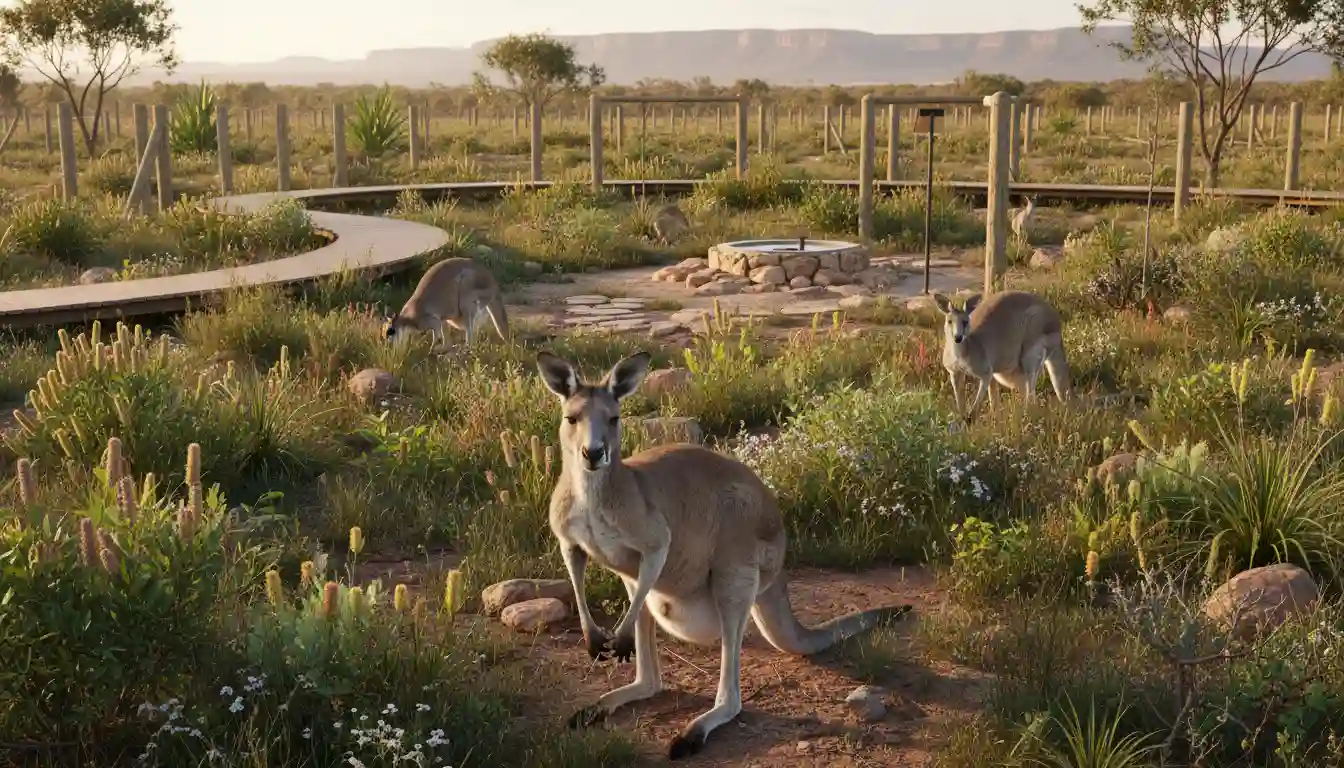
Habitat management represents a critical component of kangaroo ranching success. Maintaining native vegetation provides both nutrition and shelter, while strategic water point placement can help manage grazing patterns. Fencing requirements differ significantly from traditional livestock—kangaroos can jump substantial heights but typically respect well-designed boundary systems that account for their movement patterns.
Health management in kangaroo ranching focuses on preventive care rather than treatment-intensive approaches. Regular monitoring for common issues such as parasitic infections and maintaining optimal population densities to prevent disease spread are essential practices. For comprehensive health planning across different species, consider our elephant domestication farming guide, which covers advanced large animal veterinary considerations.
Global Market Considerations
The international market for kangaroo products continues to expand, with particular growth in Europe and Asia where consumers value both sustainability and nutritional quality. Export requirements vary significantly between countries, necessitating careful planning and certification processes. Australia's established regulatory framework provides a model for emerging kangaroo ranching regions.
Currency fluctuations can significantly impact kangaroo ranching profitability given the export-focused nature of the industry. Our calculator's multi-currency functionality helps ranchers plan for these variables. For operations considering complementary products, our meat cooking time calculator helps optimize kitchen operations for value-added product development.
According to agricultural research from authoritative institutions like the Food and Agriculture Organization of the United Nations, sustainable wildlife utilization including kangaroo ranching represents an important strategy for food security in marginal agricultural lands.