
The Comprehensive Guide to Sustainable Reptile Farming: Profitability, Ethics, and Best Practices
What is Reptile Farming and Why It's Growing
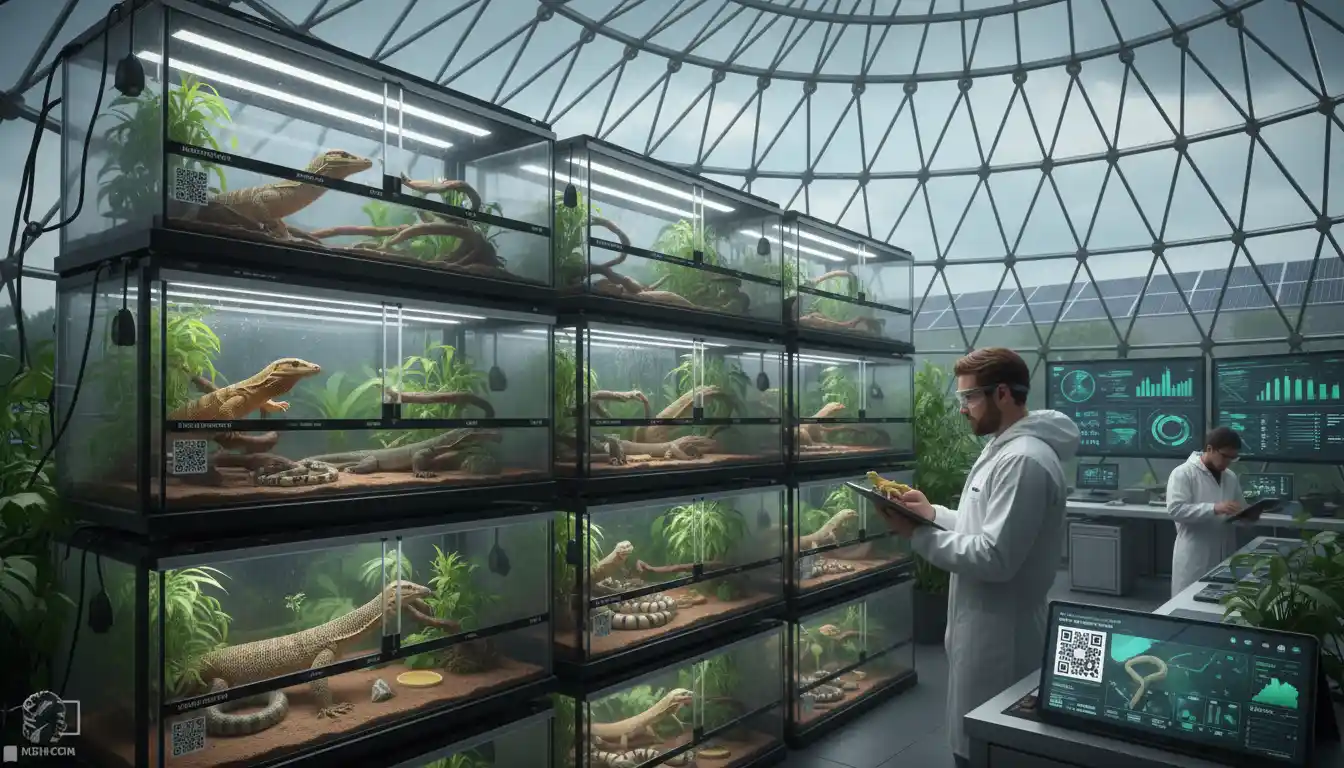
Reptile farming, also known as herpetoculture, represents a specialized sector of animal husbandry focused on breeding and raising reptiles for various purposes. This industry has experienced significant growth, with the global reptile pet trade valued at over $1 billion annually. Unlike traditional livestock farming, reptile farming operates at the intersection of conservation, science, and commerce, offering unique opportunities for sustainable entrepreneurship.
The expansion of reptile farming is driven by several factors: increasing interest in exotic pets, conservation needs for endangered species, demand for reptile products in traditional medicine, and scientific research requirements. According to data from the U.S. Fish & Wildlife Service, legally farmed reptiles can reduce pressure on wild populations while meeting market demand ethically.
Key Advantages of Modern Reptile Farming:
- Conservation Impact: Captive breeding reduces pressure on wild populations
- High-Value Products: Rare morphs can command prices from $500 to $10,000+
- Space Efficiency: Vertical terrarium systems enable high-density farming
- Educational Value: Farms serve as educational centers about reptile conservation
- Market Stability: Farm-bred animals have consistent quality and health
Economic Benefits and Market Opportunities
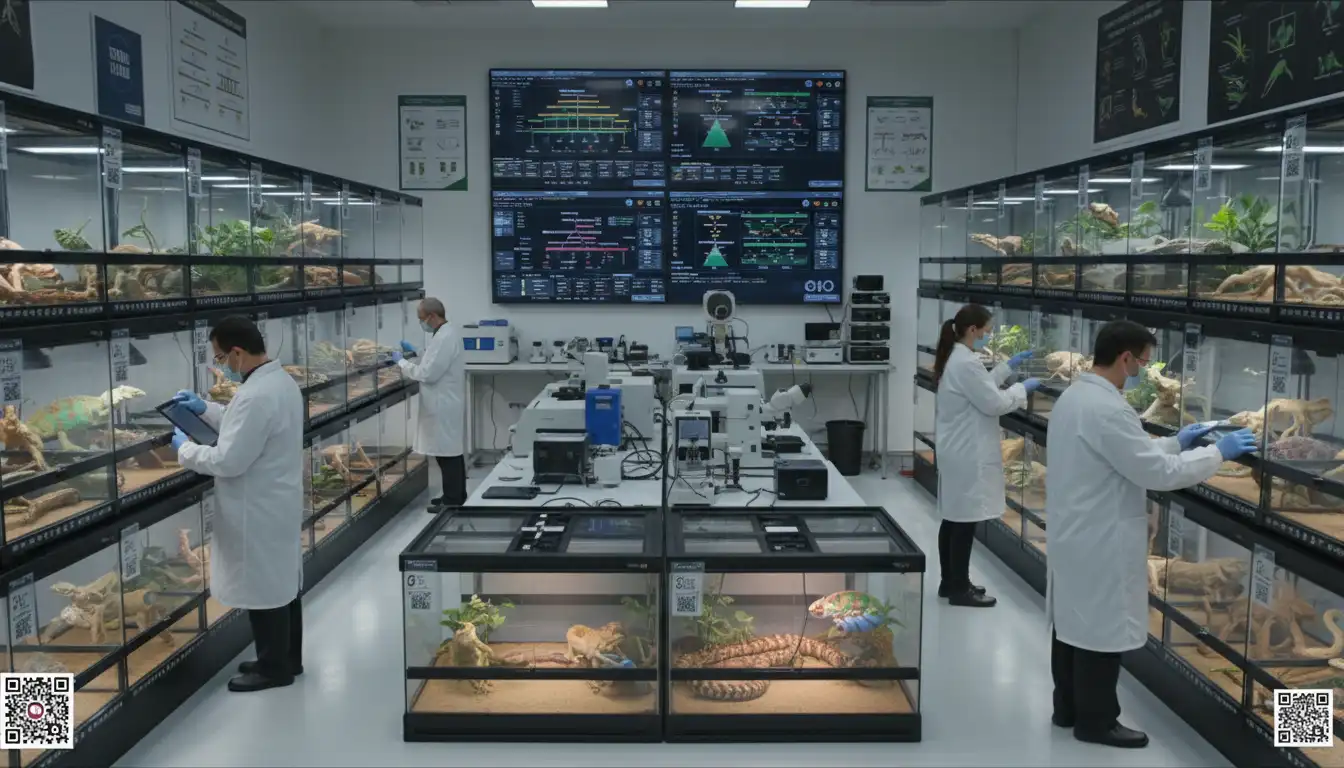
The economic viability of reptile farming extends across multiple market segments. Successful operations typically integrate several revenue streams:
Primary Revenue Streams in Reptile Farming:
- Pet Trade: High-quality, captive-bred reptiles command premium prices, with popular species like ball pythons, bearded dragons, and crested geckos generating $50-$500 per animal. Rare morphs can exceed $10,000.
- Conservation Breeding: Government and NGO contracts for endangered species breeding can provide stable income while contributing to conservation goals.
- Educational Services: Farm tours, school programs, and workshop fees can generate $5,000-$25,000 annually for accessible operations.
- By-Products: Snake venom for medical research, shed skins for leather goods, and breeding stock sales to other farms.
For those considering other exotic animal ventures, our Emu Farming Calculator provides similar economic analysis for bird farming, while specialized tools like the Meat Cooking Time Calculator assist with value-added product development for edible species.
Essential Practices for Successful Reptile Farming
Critical Success Factors:
- Species Selection: Choose species with established markets, manageable care requirements, and legal clarity. Beginner-friendly species include leopard geckos, corn snakes, and bearded dragons.
- Environmental Precision: Invest in reliable heating, lighting, and humidity control systems. Temperature gradients of 5-10°C within enclosures are essential for reptile health.
- Genetic Management: Maintain detailed breeding records, avoid inbreeding, and selectively breed for health and desirable traits rather than extreme morphs with health issues.
- Biosecurity Protocols: Implement quarantine procedures for new animals, regular health checks, and strict hygiene practices to prevent disease outbreaks.
Energy optimization represents a major cost-saving opportunity in reptile farming. Our calculator's habitat module helps balance environmental requirements with energy efficiency. Implementing LED lighting, efficient heating panels, and proper insulation can reduce electricity costs by 30-50% while maintaining optimal conditions.
Financial Planning Insights
Initial investment for a commercial reptile farming operation typically ranges from $20,000-$100,000, depending on scale and species focus. Key expenses include:
| Expense Category | Small Scale | Commercial Scale |
|---|---|---|
| Breeding Stock (10-20 animals) | $2,000 - $5,000 | $10,000 - $50,000 |
| Enclosure Systems | $3,000 - $8,000 | $20,000 - $60,000 |
| Climate Control Systems | $1,000 - $3,000 | $5,000 - $20,000 |
| Incubation & Rearing | $500 - $2,000 | $3,000 - $10,000 |
| Licenses & Permits | $500 - $2,000 | $2,000 - $10,000 |
For those interested in insect-based farming alternatives, our Silkworm Farming Calculator offers insights into invertebrate agriculture, which shares some infrastructure considerations with reptile farming.
Ethical Considerations and Future Trends
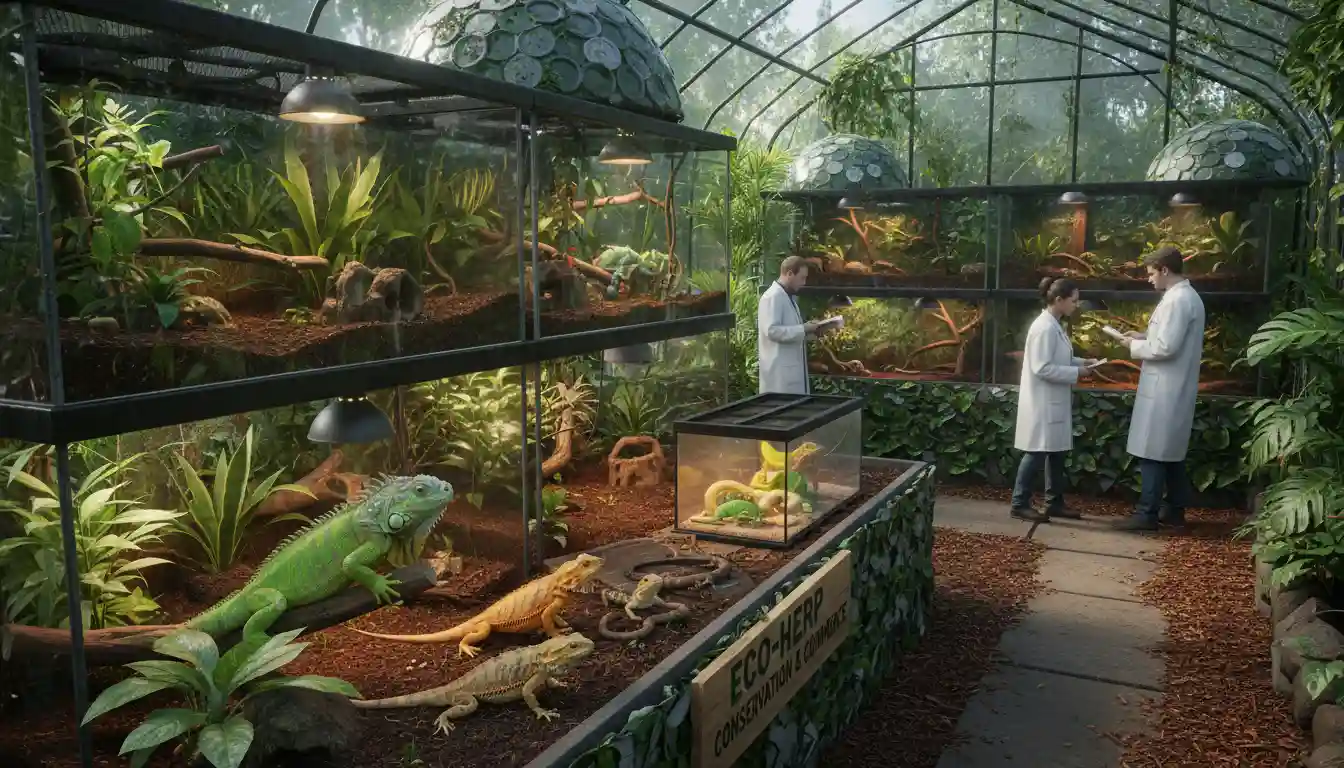
Ethical considerations are paramount in modern reptile farming. Responsible operations prioritize:
- Animal Welfare: Providing species-appropriate habitats, proper nutrition, and veterinary care exceeds minimum legal requirements
- Genetic Responsibility: Avoiding extreme morphs with health problems and maintaining genetic diversity
- Conservation Contribution: Participating in legitimate conservation programs and avoiding wild-caught animals
- Transparency: Maintaining detailed records and providing honest information to buyers
- Education: Promoting responsible reptile ownership and conservation awareness
Emerging Industry Trends
The future of reptile farming includes several promising developments:
Technological Integration
Smart sensors, automated climate control, and blockchain tracking for genetic lineage are becoming industry standards.
Conservation Partnerships
More farms are partnering with zoos and conservation organizations for species recovery programs.
Specialized Markets
Niche markets for bioactive enclosure plants, specialized feeds, and habitat accessories are expanding.
Regulatory Evolution
Improved regulations are distinguishing between responsible breeders and problematic operations, benefiting ethical farms.
Final Recommendations
Reptile farming offers a unique opportunity to combine entrepreneurial spirit with conservation values when approached responsibly. Our free Reptile Farming Calculator provides the analytical tools needed to make informed decisions about species selection, facility design, and financial planning.
Whether you're starting a small-scale breeding operation or planning a commercial facility, success in reptile farming requires careful calculation, continuous education, and commitment to ethical practices. Begin your journey with thorough research, connect with established herpetocultural societies, and use our comprehensive calculator to plan your sustainable reptile farming venture.