
Complete Guide to Butterfly Farming: Profitability, Requirements, and Best Practices
What is Butterfly Farming and Why It Matters
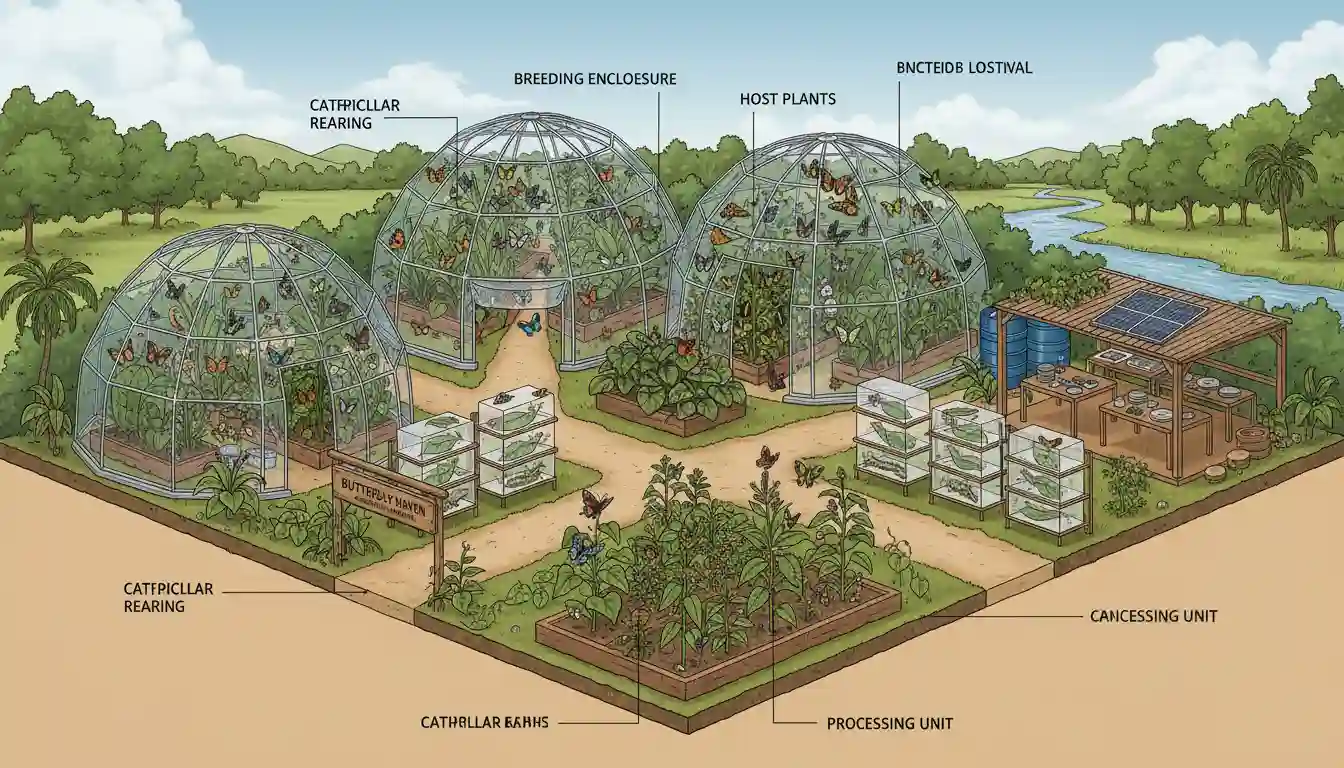
Butterfly cultivation, also known as butterfly ranching, is the controlled breeding and rearing of butterflies for various purposes including conservation, education, tourism, and commercial sale. Unlike wild collection which can deplete natural populations, sustainable butterfly farming creates economic incentives for habitat preservation while meeting market demand.
The practice has gained significant attention in recent years as a sustainable form of agriculture that combines environmental conservation with income generation. According to butterfly cultivation experts, well-managed farms can produce thousands of butterflies annually while protecting natural habitats from destruction.
Benefits and Use Cases of Butterfly Farming
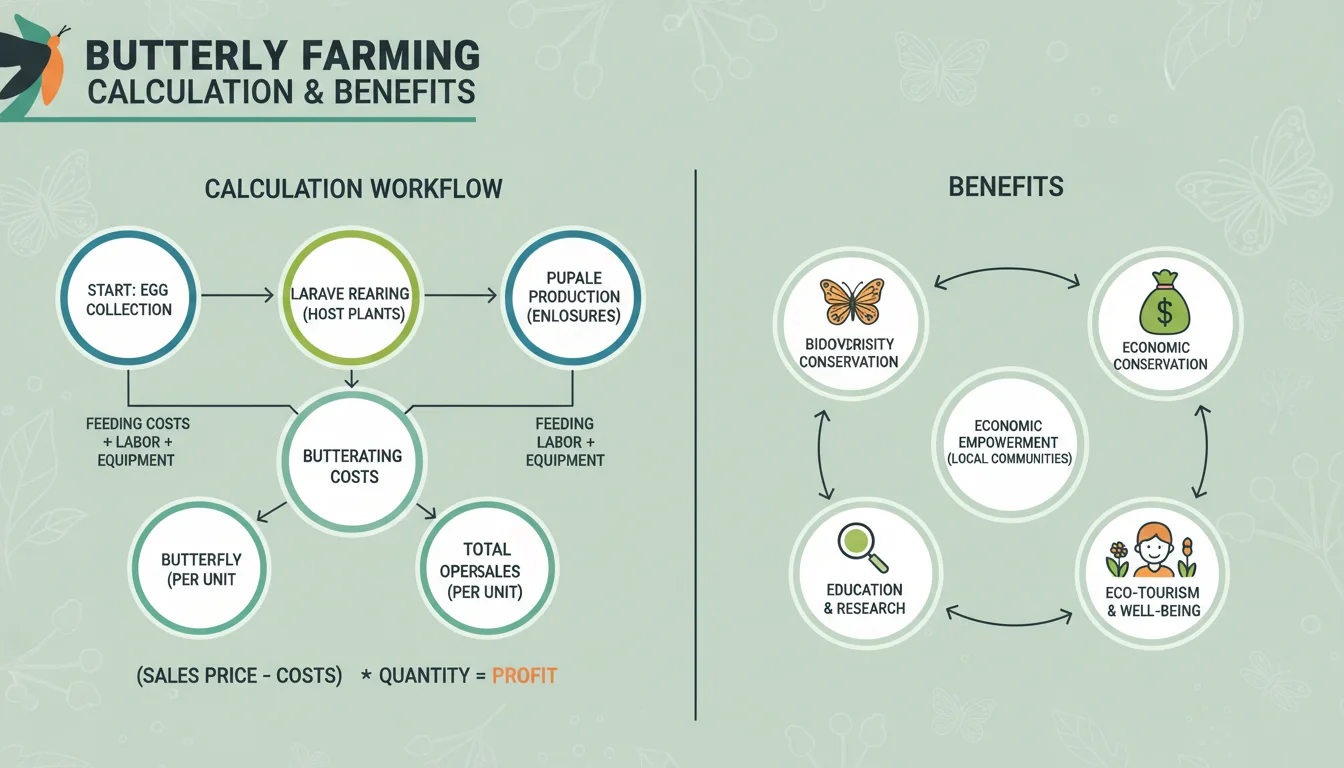
Butterfly cultivation offers multiple benefits that make it an attractive agricultural venture:
- Conservation Impact: By creating economic value for living butterflies, ranching reduces pressure on wild populations and encourages habitat preservation.
- Educational Value: Butterfly farms serve as living laboratories for schools, universities, and research institutions studying insect ecology and metamorphosis.
- Tourism Revenue