
Comprehensive Guide to Modern Bee Farming: Sustainable Apiculture Practices
beekeeping, also known as apiculture, represents one of agriculture's most vital and sustainable practices. This comprehensive guide explores modern bee farming techniques, economic considerations, and environmental benefits that make apiculture essential for food security and ecosystem health.
What is Bee Farming and Why It Matters
beekeeping involves the managed cultivation of honey bee colonies for the production of honey, beeswax, pollen, propolis, royal jelly, and bee venom, as well as providing essential pollination services for agricultural crops. Modern beekeeping combines traditional husbandry with scientific management to optimize colony health and productivity.
The global beekeeping industry supports over 80 million managed hives worldwide, contributing significantly to food production through pollination services valued at $235-577 billion annually. Bee farming matters because it sustains approximately 75% of global food crops through pollination while providing sustainable livelihoods for millions of beekeepers and their families.
Benefits and Use Cases of Modern Bee Farming
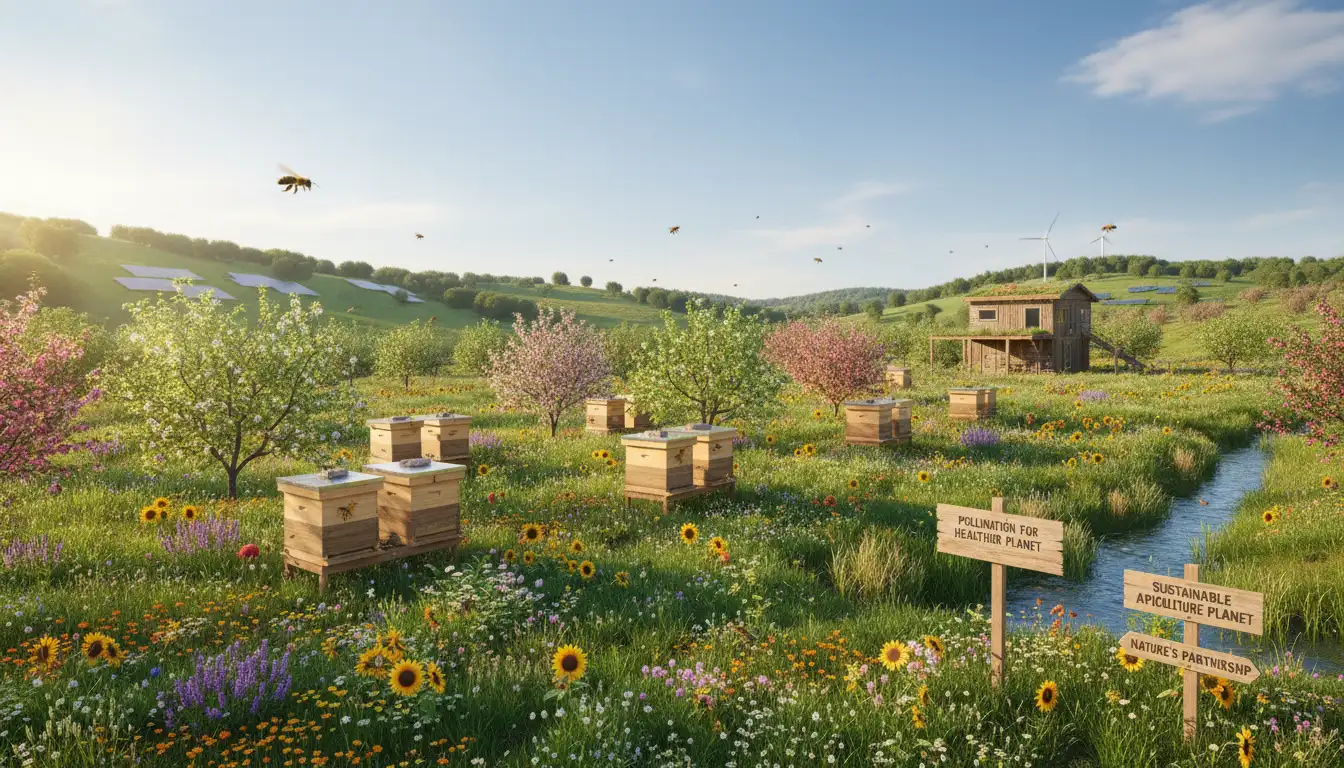
Modern beekeeping offers numerous advantages beyond honey production. These include essential ecosystem services through pollination, biodiversity conservation, sustainable land use, and economic diversification for rural communities. beekeeping represents a low-input agricultural system with high environmental and economic returns.
Key applications of bee farming include:
- Commercial honey production for local and international markets
- Pollination services for fruit, nut, and vegetable crops
- Value-added products including beeswax candles, cosmetics, and propolis extracts
- Educational and research programs in sustainable agriculture
- Conservation apiculture for native pollinator protection
- Therapeutic applications including apitherapy and bee venom therapy
For those interested in diversified insect farming operations, consider exploring our Shrimp Farming calculator to compare production methods and profitability across different aquaculture systems.
Tips and Best Practices for Successful Bee Farming
Successful beekeeping begins with proper apiary site selection. Ideal locations provide diverse forage within 3km radius, clean water sources, protection from prevailing winds, adequate sunlight, and minimal pesticide exposure. Apiaries should face southeast for morning sun exposure and have proper spacing (3-6 feet between hives, 10+ feet between rows).
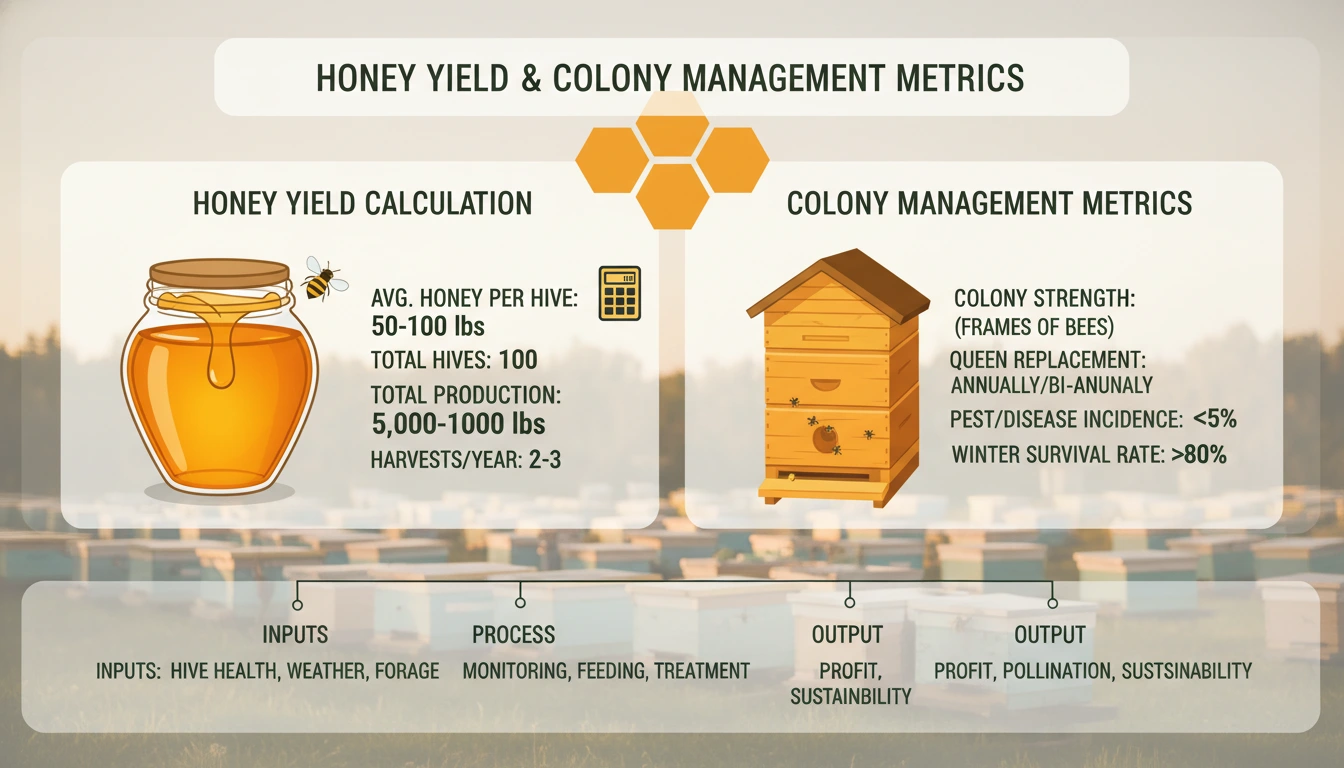
Colony management represents the core of beekeeping operations. Implementing regular hive inspections (every 7-10 days during active season), proper swarm prevention techniques, seasonal feeding strategies, and integrated pest management for Varroa control are essential for maintaining healthy, productive colonies. Monitoring colony strength through frame counts and brood pattern evaluation guides management decisions.
Health and disease management is critical in modern beekeeping. Regular monitoring for Varroa mites (using alcohol wash or sticky board methods), prompt treatment when thresholds are exceeded, maintaining hygienic breeding stock, and implementing biosecurity measures prevent disease outbreaks and colony losses that can devastate profitability.
For complementary insect farming opportunities, our Butterfly Farming calculator provides specialized tools for evaluating production costs and returns in lepidopteran cultivation.
Technical Innovations in Bee Farming
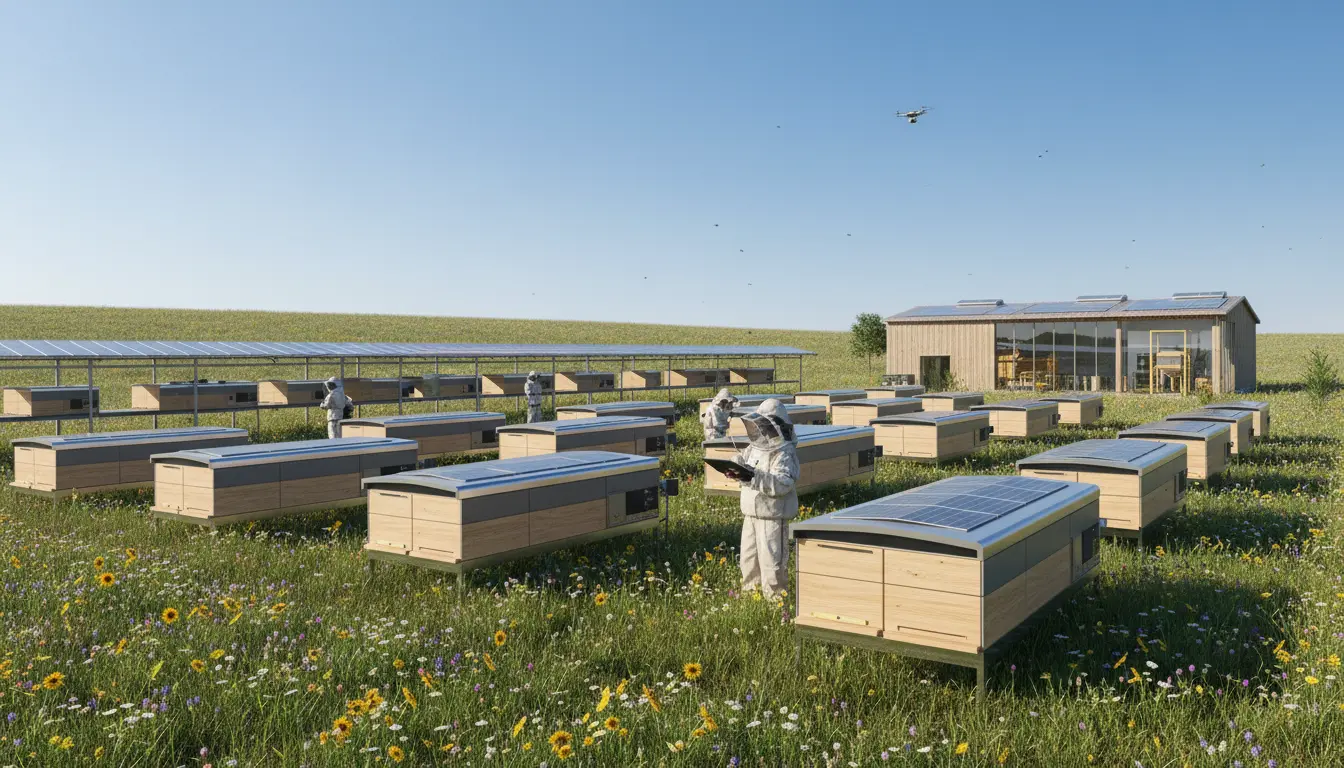
The bee farming industry has embraced technological advancements that improve management efficiency and colony health. Remote hive monitoring systems track temperature, humidity, weight, and acoustics, enabling proactive management. Precision beekeeping technologies include automated honey harvesting, RFID hive tracking, and data analytics for predictive colony health assessment.
Genetic research has developed Varroa-resistant bee strains, improved hygienic behavior, and enhanced honey production characteristics. Advanced extraction equipment now allows for more efficient, higher-quality honey processing with reduced labor requirements. Mobile applications help beekeepers track hive inspections, treatments, and production data.
For those considering specialized insect protein production, our Silkworm Farming calculator offers insights into the specialized requirements and potential returns of sericulture operations.
Future Trends in Bee Farming
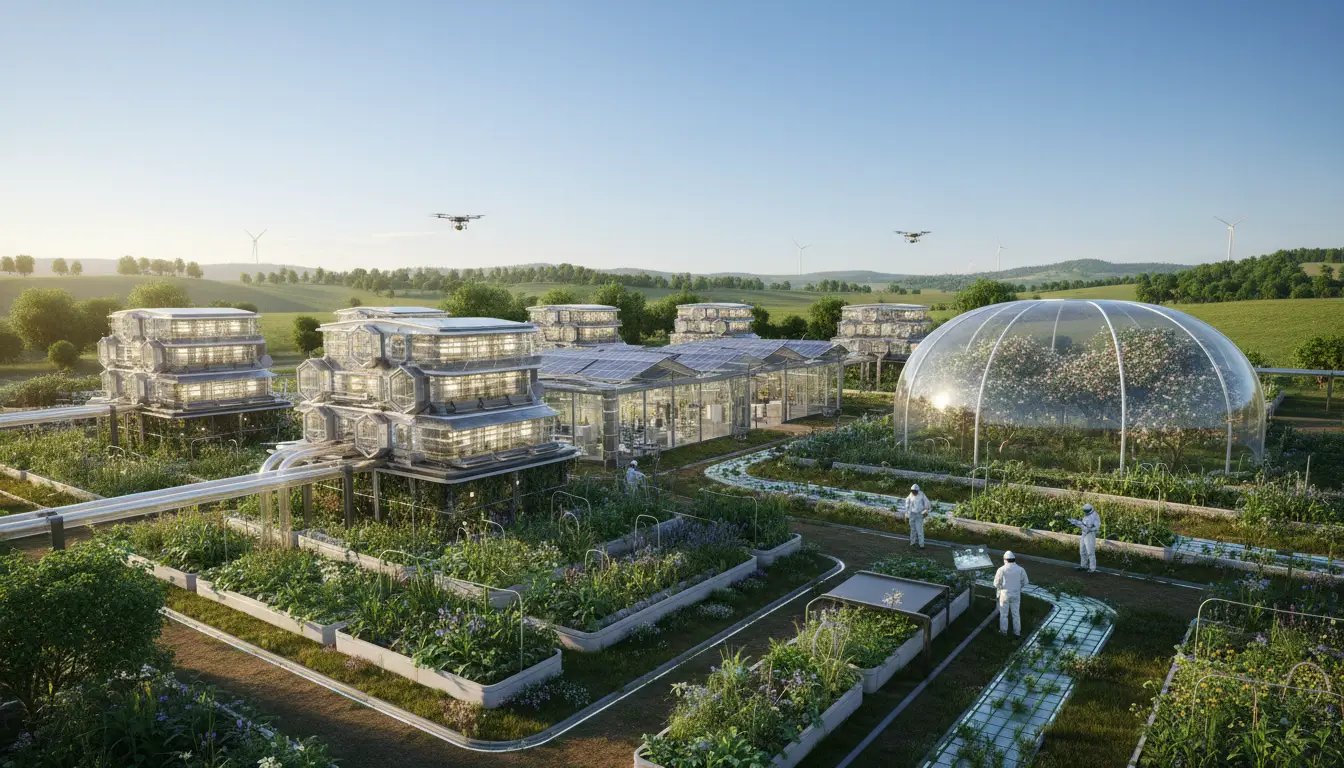
The future of bee farming lies in further integration of technology, regenerative practices, and climate resilience. Precision apiculture using IoT sensors, AI-powered colony health monitoring, and blockchain-based honey traceability will become standard. Consumer demand for sustainably produced, locally sourced honey and pollination services will continue growing.
Regenerative bee farming practices that enhance pollinator habitat, improve soil health through cover cropping, and integrate with agroforestry systems will become increasingly important. Research into bee farming's role in carbon sequestration through perennial forage plantings will further demonstrate its environmental benefits beyond pollination services.
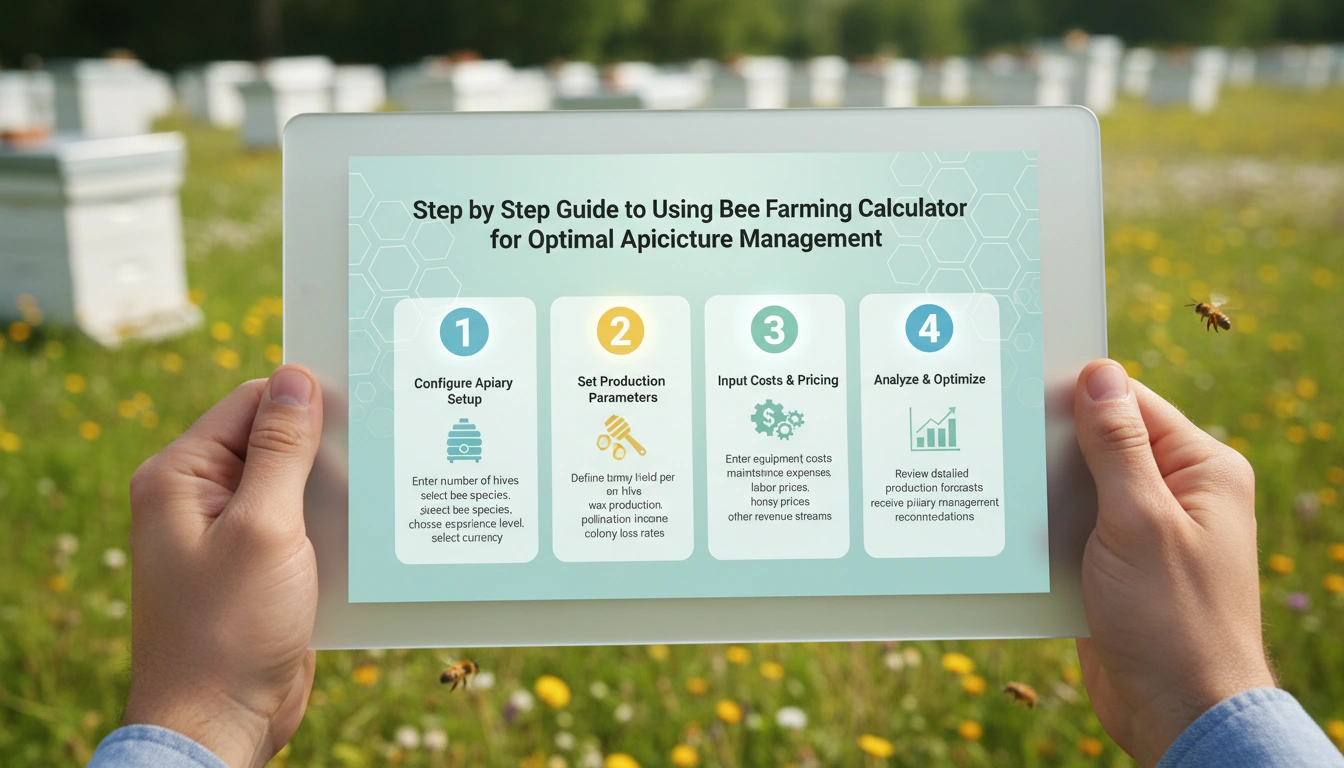
Ultimately, successful bee farming balances economic viability with environmental stewardship and social responsibility. By using tools like our Bee Farming calculator, beekeepers can make informed decisions that optimize all aspects of sustainable apiculture, creating resilient operations that benefit ecosystems, food systems, and communities alike.