
The Complete Guide to Modern Bison Farming
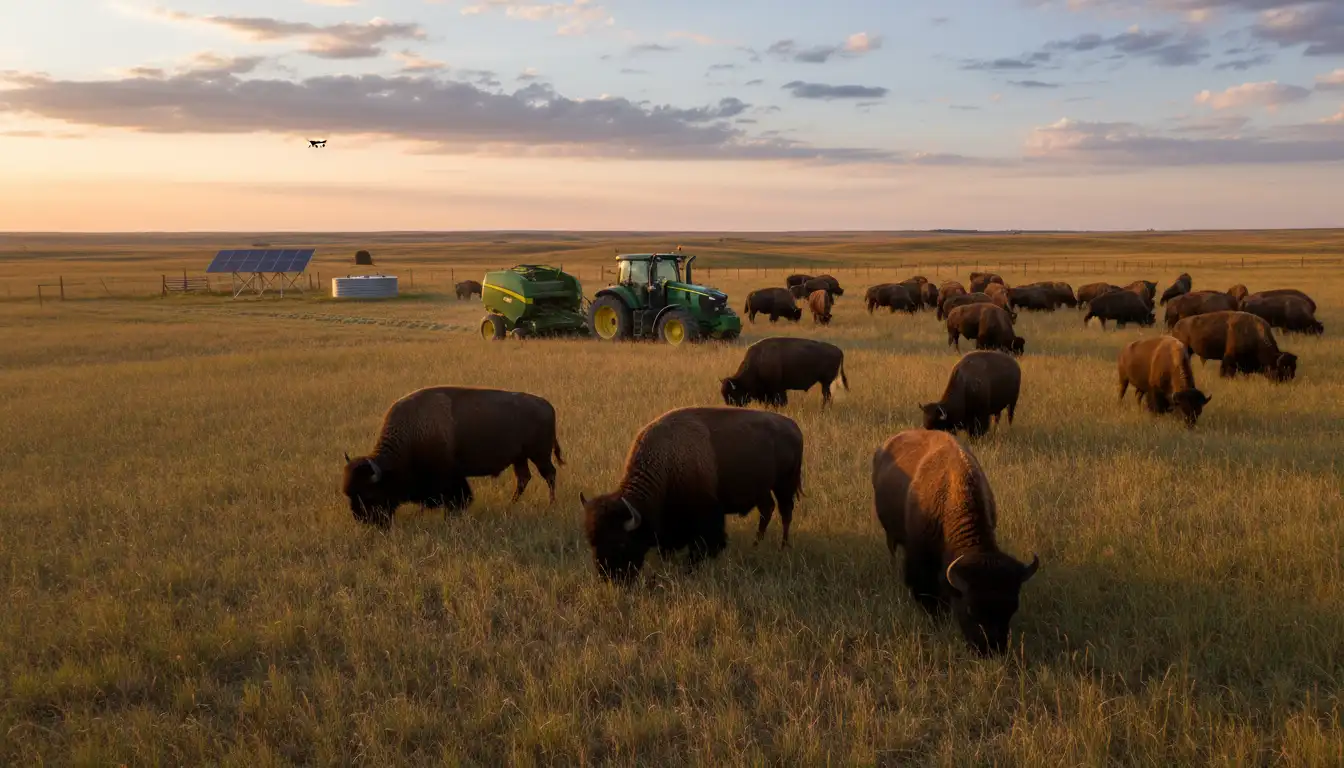
Modern bison farming combines traditional practices with advanced technology for sustainable meat production.
What is Bison Farming and Why It Matters
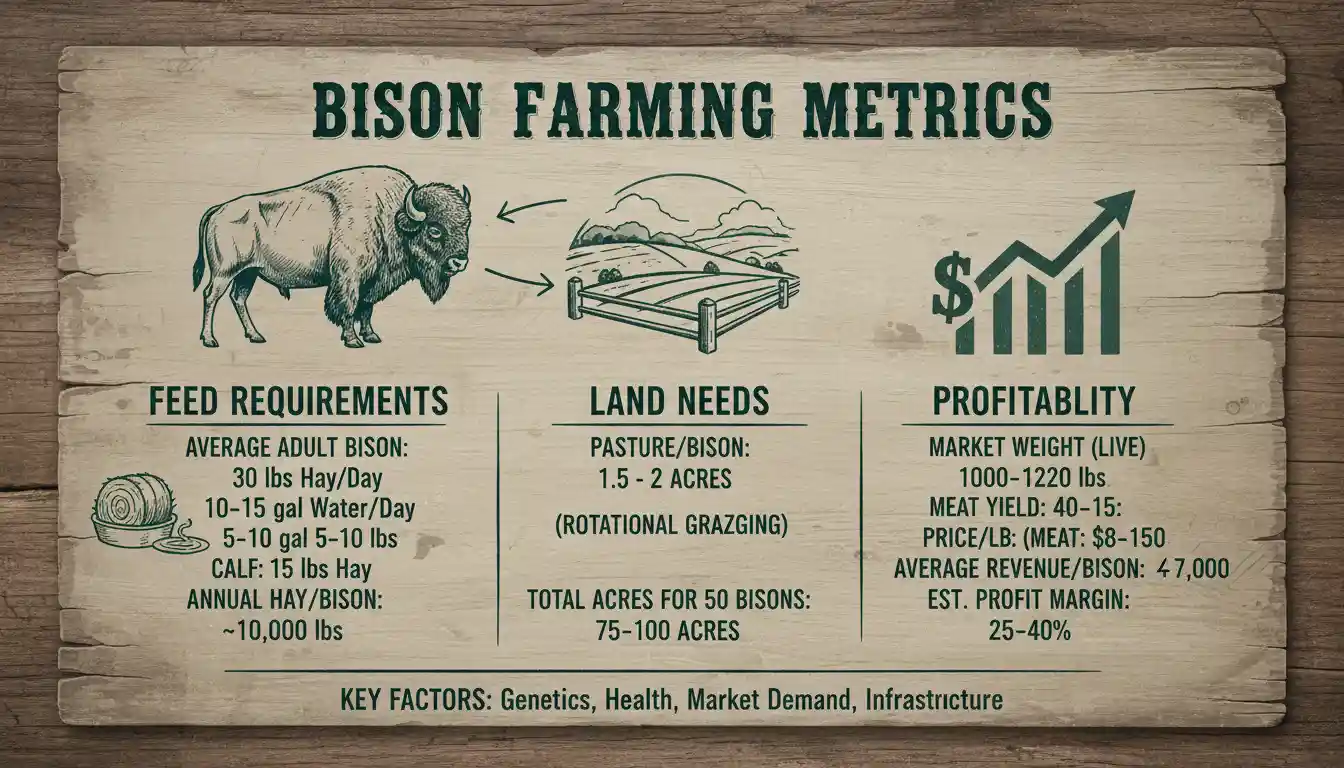
Bison farming represents a sustainable alternative to conventional livestock production, offering environmental benefits while producing premium-quality meat. Unlike intensive cattle operations, bison farming typically involves extensive grazing systems that work with natural ecosystems rather than against them. These majestic animals, once nearly driven to extinction, now represent a growing niche in sustainable agriculture.
The resurgence of bison farming matters for several reasons: it promotes biodiversity, supports grassland conservation, and provides consumers with a healthy, lean protein source. Bison meat contains less fat and cholesterol than beef while being rich in iron and omega-3 fatty acids. From an economic perspective, bison farming offers farmers diversification opportunities and access to premium markets.
Modern bison farming operations range from small-scale heritage breeds preservation to large commercial meat production. The industry has evolved significantly from its early days, incorporating advanced herd management techniques, genetic selection, and sustainable practices that make it both ecologically responsible and economically viable.
Key Benefits of Bison Farming:
- Lower environmental impact compared to conventional livestock
- Premium market prices for bison meat products
- Reduced veterinary and feed costs relative to cattle
- Contribution to native grassland conservation
- Growing consumer demand for alternative, healthy proteins
Benefits and Practical Applications
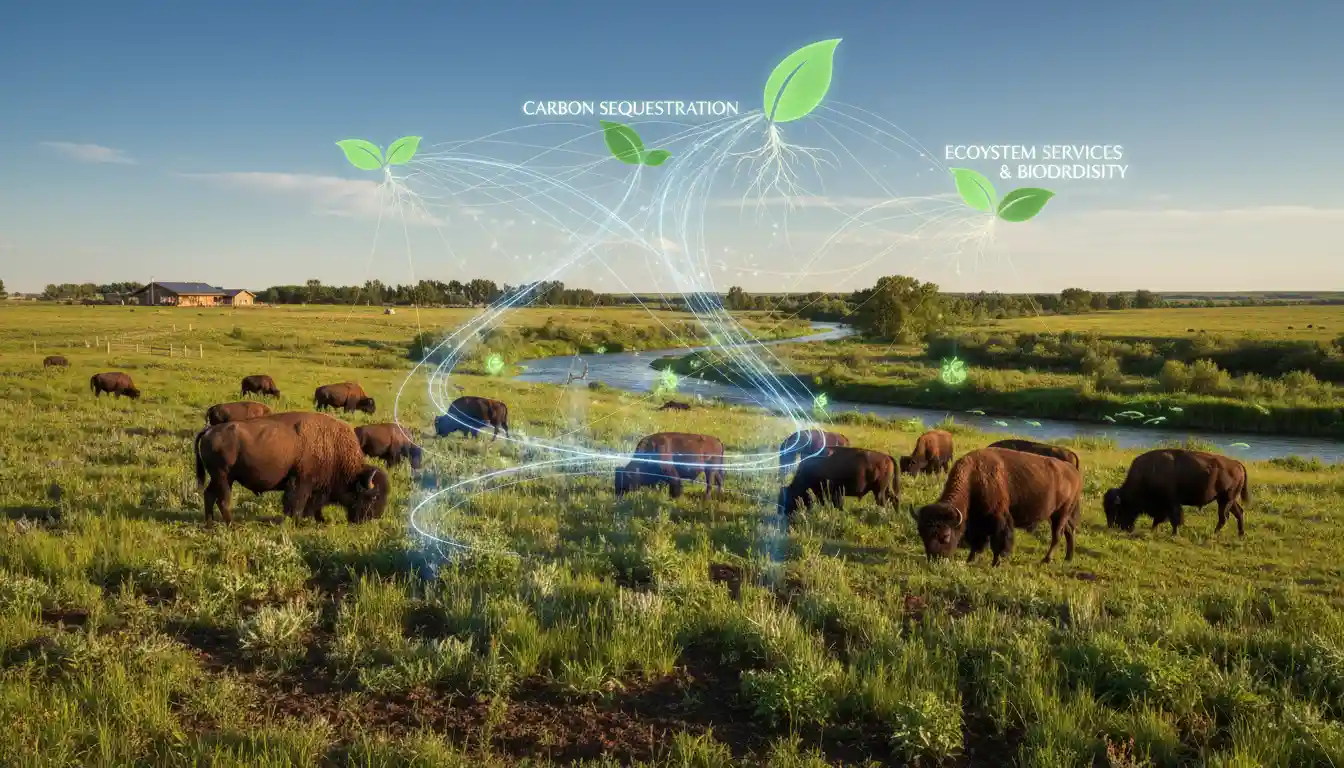
The benefits of bison farming extend beyond financial returns. Ecologically, bison play a crucial role in maintaining healthy grassland ecosystems through their grazing patterns, which promote plant diversity and soil health. Their wallowing behavior creates microhabitats for other species, while their movement patterns help distribute nutrients across the landscape.
From a business perspective, bison farming offers multiple revenue streams beyond meat production. Many operations generate additional income from breeding stock sales, agro-tourism, hunting opportunities, and by-products such as hides and skulls. The premium nature of bison products allows farmers to command higher prices, often through direct-to-consumer marketing channels that build customer loyalty and brand value.
Practical applications of bison farming include land reclamation projects, where their grazing helps restore degraded grasslands, and conservation partnerships with environmental organizations. Some farmers integrate bison with other enterprises, creating synergistic systems that enhance overall farm resilience. For instance, bison can be rotated with crops in integrated crop-livestock systems, improving soil fertility through natural fertilization.
For those interested in similar niche livestock opportunities, our reindeer farming calculator provides similar analytical tools for northern climate livestock operations.
Tips and Best Practices
Successful bison farming requires specialized knowledge and management practices distinct from traditional livestock operations. Here are essential tips for those considering or currently engaged in bison farming:
1. Infrastructure Investment
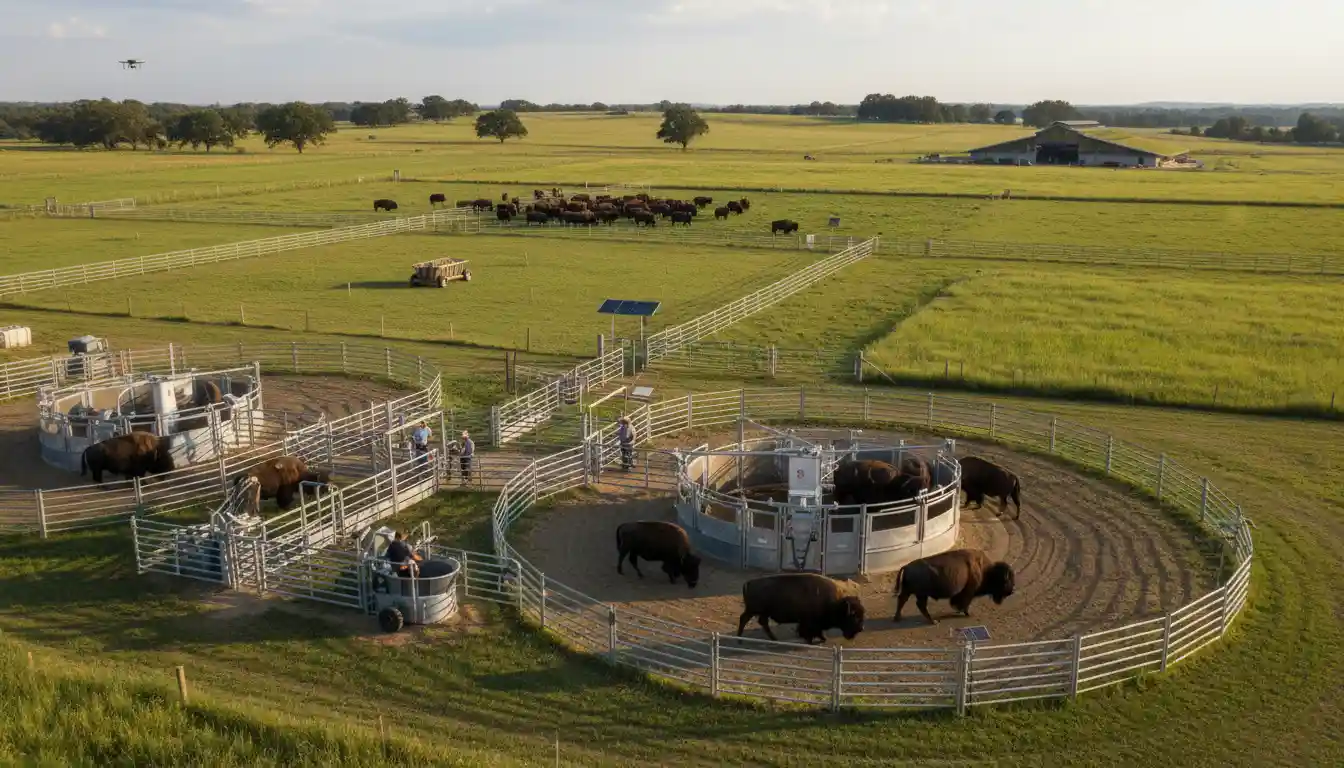
Invest in bison-specific handling facilities designed for their size and behavior. Standard cattle facilities are often inadequate for bison, which are stronger and more agile than cattle. Proper fencing is critical—high-tensile wire or specially designed bison fencing at least 6 feet tall is recommended.
2. Herd Management
Practice low-stress handling techniques and maintain natural herd dynamics. Bison have strong social structures, and disrupting these can cause stress and management challenges. Implement rotational grazing systems to optimize pasture health and parasite control while mimicking natural migration patterns.
Nutrition management requires understanding seasonal variations in bison dietary needs. While bison thrive on native grasses, supplemental feeding may be necessary during extreme weather or when pasture quality declines. Working with a nutritionist familiar with bison can help optimize feed efficiency and herd health.
Marketing represents a critical component of bison farming success. Developing direct relationships with consumers through farmers markets, online sales, or on-farm stores allows capture of more value from each animal. Consider value-added products like jerky, sausage, or prepared meals to diversify revenue streams.
Related Concepts and Industry Trends
Bison farming intersects with several important agricultural movements and concepts. Regenerative agriculture principles align closely with bison management practices, emphasizing soil health, biodiversity, and ecosystem services. Many bison farmers participate in certification programs that verify sustainable and humane production methods, adding further value to their products.
The industry is experiencing several notable trends. Consumer interest in story-based marketing—where the narrative of conservation, heritage, and sustainability adds value to the product—is growing. Technological adoption, including remote monitoring, GPS tracking, and data analytics, is increasing efficiency in larger operations. Genetic improvement through selective breeding for traits like feed efficiency and meat quality is advancing, similar to developments in specialized livestock breeding programs.
Climate resilience is another emerging focus. Bison's natural adaptability to extreme weather makes them potentially valuable in climate-change affected agricultural systems. Research into carbon sequestration potential of bison-grazed grasslands may create additional revenue opportunities through carbon credit markets.
For authoritative information on sustainable livestock production methods, the United States Department of Agriculture's animal production resources provide valuable guidelines and research findings applicable to bison operations.
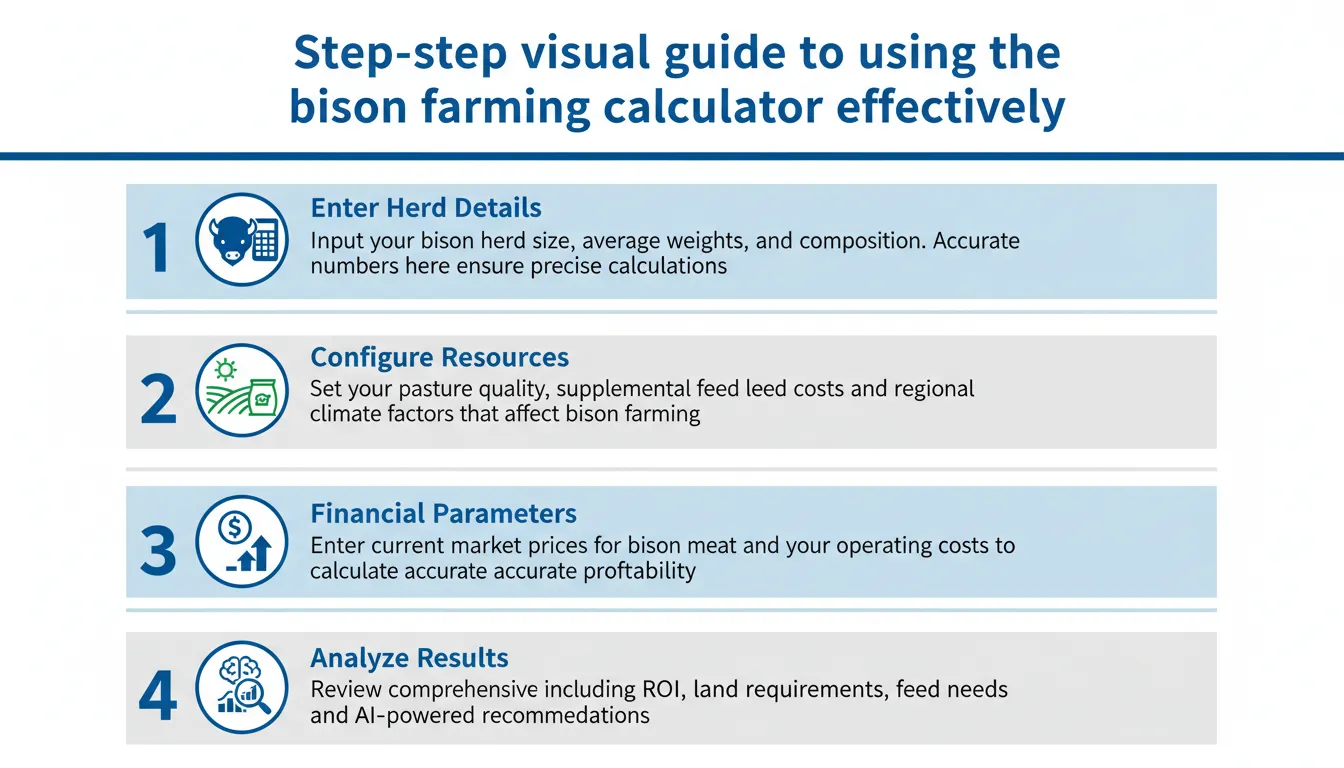
In conclusion, bison farming represents a unique intersection of heritage, sustainability, and economic opportunity in modern agriculture. By combining traditional knowledge with contemporary management tools like our bison farming calculator, producers can optimize their operations for both ecological health and financial viability. As consumer preferences continue shifting toward sustainable, traceable food systems, bison farming is well-positioned for continued growth and innovation in the agricultural sector.
Looking Beyond Bison Farming
For those interested in other unique livestock opportunities, explore our specialized calculators for elephant farming operations or meat preparation with our meat cooking time calculator to maximize the value of your bison products.