Deer Farming Calculator - AI Assistant Tool

Deer Farming AI Assistant Calculator

Advanced free AI-powered tool for deer farming calculations, herd management, and profit optimization

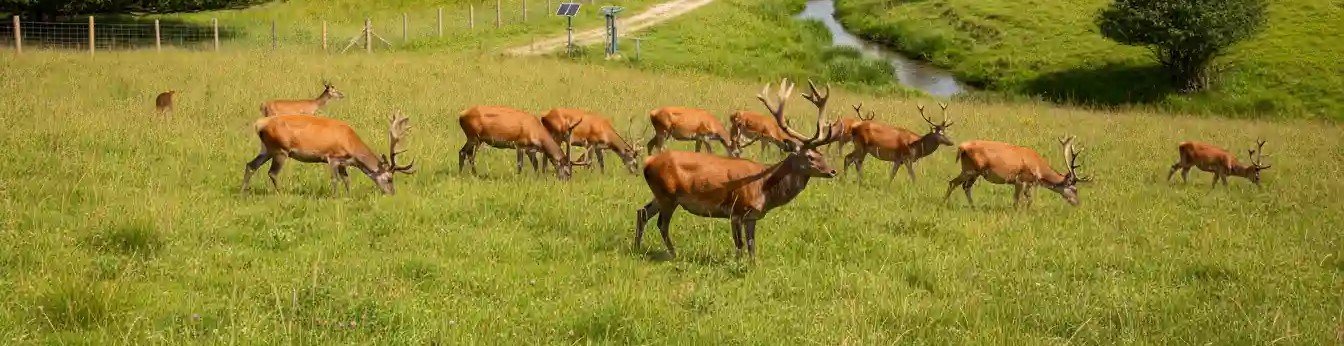
Deer farming operation showing healthy deer herd in natural pasture environment for sustainable agriculture

Advanced Deer Farming Calculator

AI-powered solutions for modern deer farming operations

Deer Farming Calculator

Herd Information

deer

Total deer in your herd

Cost Information

/day
$ /year
$ /month
$ /month

AI Assistant Recommendations

Based on your inputs, the AI assistant is analyzing optimal feed ratios, health monitoring schedules, and profitability projections for your deer farming operation.

Calculation Results

Daily Feed Cost

$125.00

For entire herd

Annual Feed Cost

$45,625.00

Based on 365 days

Total Annual Cost

$89,750.00

Includes all expenses

Estimated Revenue

$125,000.00

Based on product type

Projected Profit

$35,250.00

Annual net profit

Cost per Deer

$1,795.00

Annual cost per animal

Recent Calculations

Calculation Formulas

Feed Cost Formula

Daily Feed Cost = Herd Size × Daily Feed per Deer × Feed Price

Forcervid agriculture, feed costs typically account for 60-70% of total operational expenses. The formula calculates daily nutritional requirements based on deer weight, age, and species.

Example Calculation:

50 deer × 2.5kg feed/day × $0.80/kg = $100 daily feed cost

Profit Calculation Formula

Annual Profit = (Deer Count × Product Yield × Price) - Total Annual Costs

cervid agriculture profitability depends on product type (venison, antlers, breeding stock), market prices, and operational efficiency. Typical profit margins range from 15-40%.

Example Calculation:

(50 deer × 60kg venison × $8/kg) - $89,750 = $35,250 annual profit

Additional Calculations

CalculationFormulaPurpose
Land RequirementDeer Count × 0.5 hectareMinimum grazing area
Water RequirementDeer Weight × 5% liters/dayDaily water needs
Veterinary Cost$150 × Deer Count × Risk FactorAnnual healthcare budget

How to Use the Deer Farming Calculator

1

Input Herd Details

Start by entering the number of deer in your herd, their average weight, age distribution, and species. Accurate herd information ensures precise calculations for your cervid agriculture operation.

2

Enter Cost Parameters

Specify your feed costs, veterinary expenses, land/facility costs, and labor expenses. You can adjust currency for international cervid agriculture operations in different countries.

3

Analyze Results

Review calculated costs, projected revenue, and profitability metrics. Use AI recommendations to optimize your cervid agriculture strategy and save calculations for future reference.

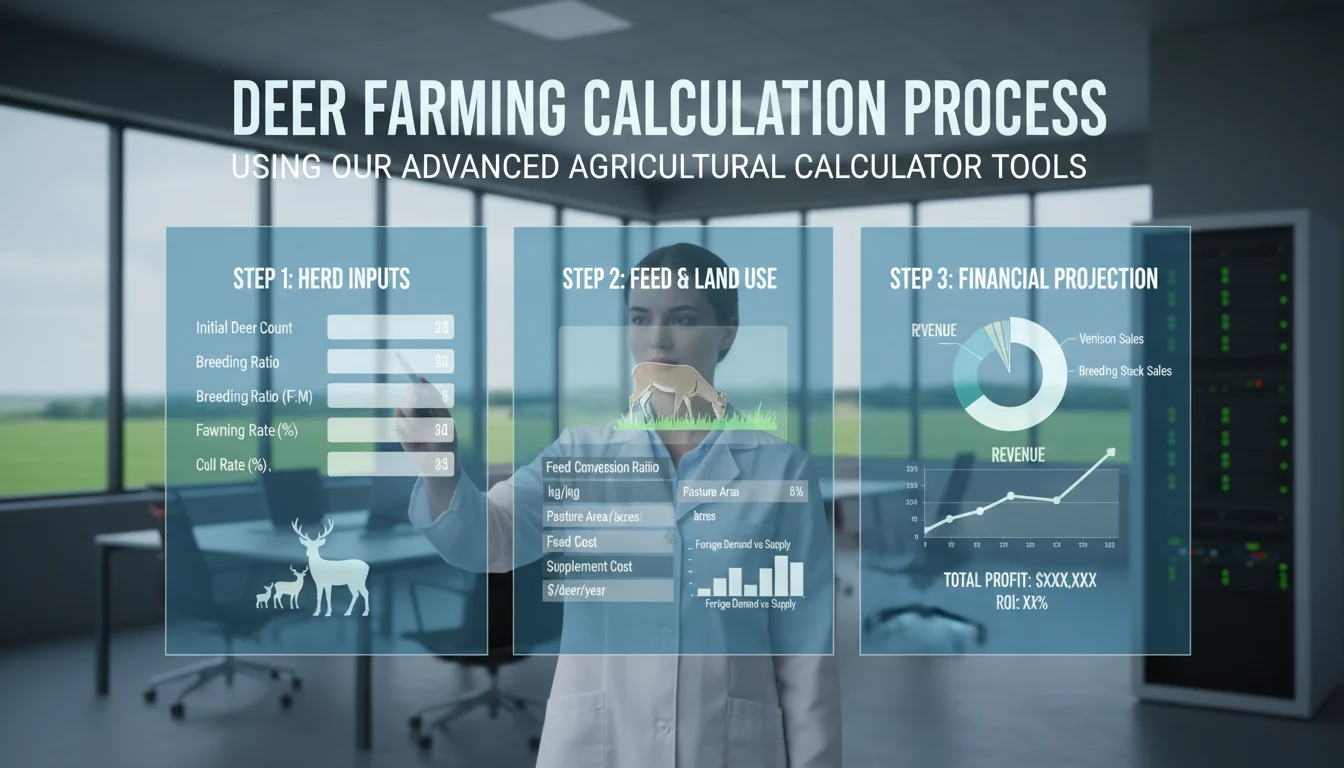
Visual Calculation Guide

Input Data

Calculate

Results & Analysis

Step by step deer farming calculation process using our advanced agricultural calculator tools

Frequently Asked Questions

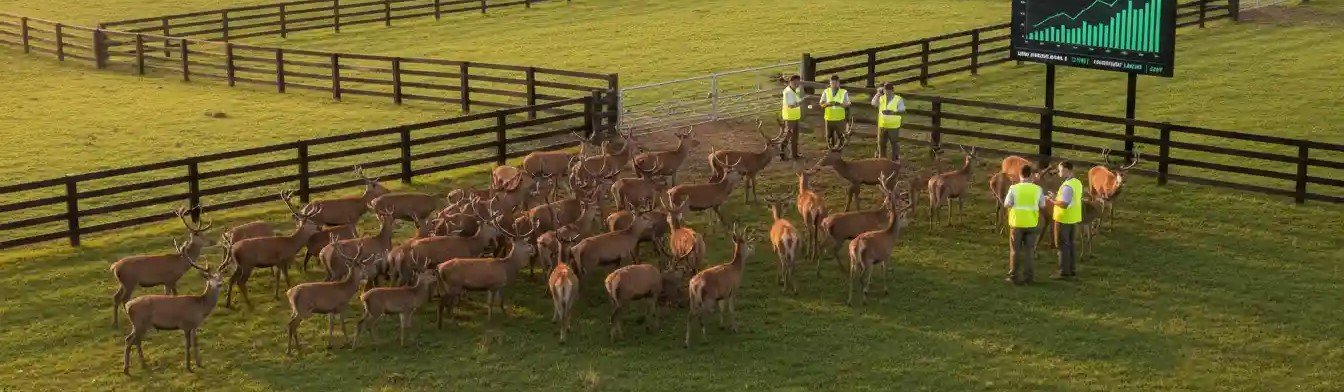
Deer farming management and herd health monitoring in modern agricultural practice

Complete Guide to Deer Farming and Management

Optimizing cervid agriculture operations for sustainability and profitability

Deer farming, also known as cervid agriculture, has emerged as a sustainable and profitable agricultural venture worldwide. With increasing demand for venison, antler velvet, and breeding stock, proper management through tools like our deer farming calculator becomes essential for success.

This comprehensive guide explores the intricacies of deer farming, from herd management to financial planning, helping farmers optimize their operations using data-driven approaches.

What is Deer Farming and Why It Matters

Deer ranching involves the controlled breeding and raising of deer species for various commercial purposes. Unlike traditional livestock, deer require specialized handling and management techniques due to their unique behavioral characteristics and nutritional needs. The practice has gained popularity as consumers seek leaner, healthier meat alternatives and natural healthcare products derived from antler velvet.
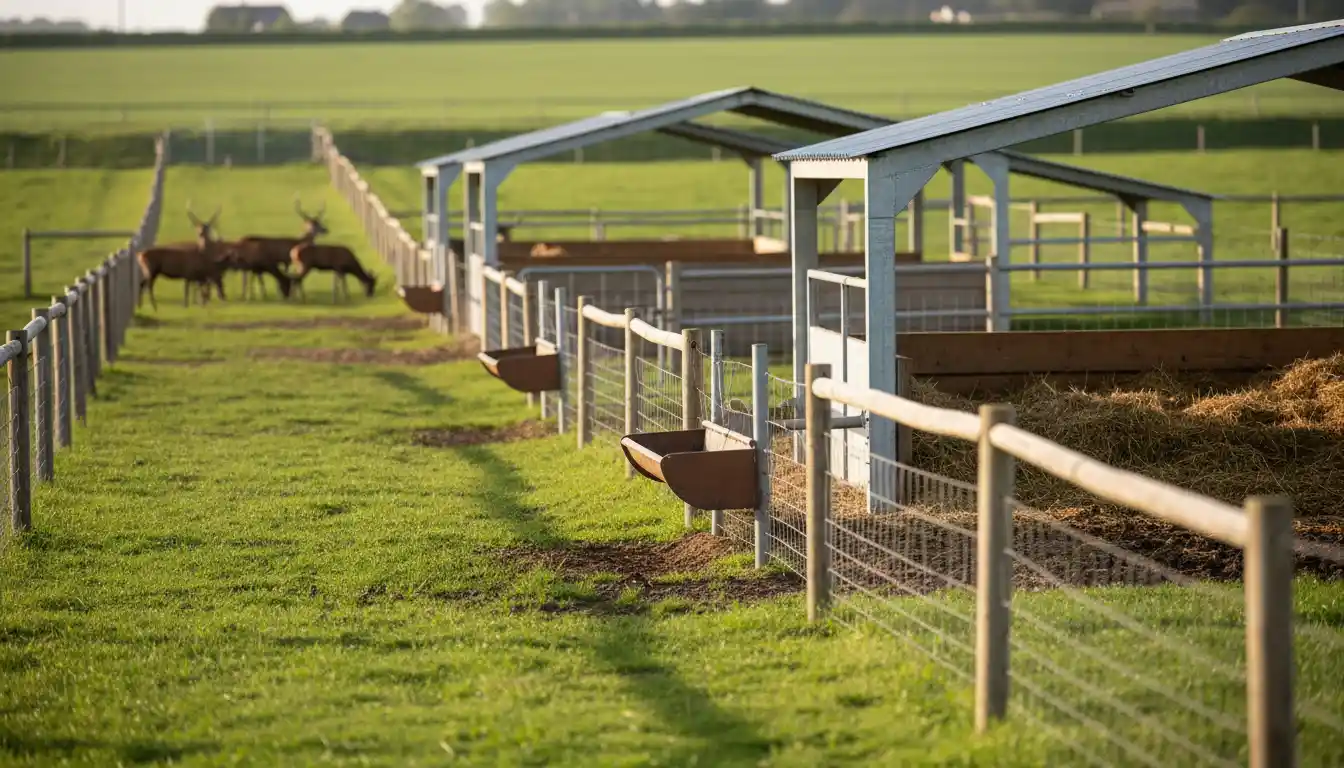
Deer farming infrastructure including fencing and shelter systems for optimal animal welfare

Modern deer ranching facilities with proper infrastructure for animal welfare

Key Products from Deer Farming:

  • Venison: Lean, nutritious meat with growing global demand
  • Antler Velvet: Used in traditional medicine and supplements
  • Breeding Stock: High-value animals for herd expansion
  • Hunting Services: Controlled hunting experiences on farms
  • By-products: Leather, antler crafts, and trophies

Benefits and Use Cases of Deer Farming

Modern deer ranching offers numerous advantages over traditional livestock operations. Deer convert feed to protein more efficiently than cattle, require less space, and can thrive on marginal lands unsuitable for other agricultural uses. Their browsing behavior helps maintain ecological balance in managed forests and pasturelands.

Sustainable Agriculture Integration

Deer ranching complements sustainable agricultural practices by utilizing natural browsing behaviors to manage vegetation, reducing the need for mechanical clearing. This integration creates synergistic farming systems that benefit both the deer and the land.

Tips and Best Practices for Deer ranching

Successful deer ranching requires careful planning and attention to detail. Here are essential tips for optimizing your deer ranching operation:

1. Proper Fencing and Facilities

Invest in high-quality fencing (at least 2.4 meters) to contain deer while allowing natural movement. Design handling facilities that minimize stress during health checks and procedures.

2. Nutrition Management

Use our deer farming calculator to determine optimal feed ratios. Supplement natural browsing with balanced concentrates during critical growth periods.

3. Health Monitoring

Implement regular health checks and parasite control programs. Establish relationships with veterinarians experienced in deer health management.

4. Breeding Strategy

Plan breeding seasons to align with market demands and natural cycles. Maintain genetic diversity through careful selection of breeding stock.

Related Concepts in Deer Farming

Deer ranching intersects with several related agricultural disciplines. Understanding these connections can enhance overall farm management and profitability:

Integrated Farming Systems

Many successful deer farming operations integrate with other agricultural activities. For example, deer can browse cover crops in orchard systems, providing natural weed control while producing high-value meat. Similarly, deer farming can complement alpaca farming operations on diversified farms, sharing infrastructure and marketing channels.

According to the Food and Agriculture Organization, integrated livestock systems including deer farming show higher resilience to market fluctuations and environmental challenges compared to monoculture operations.

Market Considerations for Deer Products

The market for deer products varies significantly by region and product type. Venison commands premium prices in European markets, while antler velvet finds strong demand in Asian markets. Understanding these dynamics is crucial for business planning in deer farming.

Tools like our farming calculator help farmers model different scenarios, from small-scale boutique operations supplying local restaurants to larger commercial ventures targeting export markets. Similarly, farmers might explore complementary enterprises like silkworm farming for additional income streams on diversified agricultural properties.

Conclusion: The Future of Deer Farming

Deer ranching represents a sustainable and profitable agricultural opportunity with growing global demand. By leveraging tools like our advanced deer farming calculator, farmers can optimize operations, reduce costs, and maximize returns. The integration of AI assistance further enhances decision-making, providing real-time recommendations based on current best practices.

Getting Started with Deer Farming

Begin your deer ranching journey by using our calculator to model different scenarios. Consider starting with a small herd to gain experience before scaling up. Connect with local deer farming associations for mentorship and stay informed about regulatory requirements in your region. With proper planning and the right tools, deer ranching can be a rewarding agricultural enterprise for years to come.

Published: December 28, 2025 | Updated: December 29, 2025 | Author: Agricultural Expert

`; const printWindow = window.open('', '_blank'); printWindow.document.write(printContent); printWindow.document.close(); printWindow.focus(); setTimeout(() => { printWindow.print(); printWindow.close(); }, 250); } // AI Chat functionality function openAiChat() { aiChatModal.classList.remove('hidden'); aiChatModal.setAttribute('aria-hidden', 'false'); aiChatInput.focus(); } function closeAiChat() { aiChatModal.classList.add('hidden'); aiChatModal.setAttribute('aria-hidden', 'true'); } function sendAiMessage() { const message = aiChatInput.value.trim(); if (!message) return; // Add user message addChatMessage('You', message, 'user'); aiChatInput.value = ''; // Simulate AI response (in a real implementation, this would call an API) setTimeout(() => { const aiResponse = generateAiResponse(message); addChatMessage('AI Assistant', aiResponse, 'ai'); }, 1000); } function addChatMessage(sender, text, type) { const messageDiv = document.createElement('div'); messageDiv.className = `mb-3 ${type === 'user' ? 'text-right' : ''}`; const senderDiv = document.createElement('div'); senderDiv.className = `text-sm text-gray-500 mb-1 ${type === 'user' ? 'text-right' : ''}`; senderDiv.textContent = sender; const textDiv = document.createElement('div'); textDiv.className = `${type === 'user' ? 'bg-blue-100 text-right' : 'bg-primary-100'} p-3 rounded-lg inline-block max-w-xs`; textDiv.textContent = text; messageDiv.appendChild(senderDiv); messageDiv.appendChild(textDiv); aiChatMessages.appendChild(messageDiv); // Scroll to bottom aiChatMessages.scrollTop = aiChatMessages.scrollHeight; } function generateAiResponse(query) { const queryLower = query.toLowerCase(); const responses = [ "For deer farming feed optimization, I recommend a balanced diet with 60% forage, 30% concentrates, and 10% supplements. Monitor body condition scores monthly.", "The ideal stocking density for deer farming is 10-15 animals per hectare for rotational grazing systems. This prevents overgrazing and maintains pasture health.", "Common deer health issues include parasites, foot rot, and nutritional deficiencies. Regular fecal testing and hoof trimming can prevent most problems.", "Deer farming profitability typically ranges from 15-40% depending on product mix. Venison production offers stable returns, while antler velvet has higher margins but more market volatility.", "For breeding management, separate bucks during non-breeding season to prevent injuries. Implement a controlled breeding program to optimize birth timing with forage availability.", "Fencing requirements for deer farming: Minimum 2.4m height with 12-15 wire strands. Electric fencing is most effective for containing deer while allowing visibility.", "Processing facilities for deer farming must meet local regulations. Consider mobile processing units to reduce stress from transportation.", "Marketing strategies for deer products: Direct-to-consumer sales, restaurant partnerships, farmers markets, and online platforms. Emphasize sustainability and traceability." ]; // Keyword matching for more relevant responses if (queryLower.includes('feed') || queryLower.includes('food')) { return responses[0]; } else if (queryLower.includes('stock') || queryLower.includes('density')) { return responses[1]; } else if (queryLower.includes('health') || queryLower.includes('sick')) { return responses[2]; } else if (queryLower.includes('profit') || queryLower.includes('money')) { return responses[3]; } else if (queryLower.includes('breed') || queryLower.includes('mate')) { return responses[4]; } else if (queryLower.includes('fence') || queryLower.includes('contain')) { return responses[5]; } else if (queryLower.includes('process') || queryLower.includes('slaughter')) { return responses[6]; } else if (queryLower.includes('market') || queryLower.includes('sell')) { return responses[7]; } // Default response return "I can help with various deer farming topics including feed management, health care, breeding programs, fencing requirements, processing facilities, and marketing strategies. What specific aspect of deer farming would you like to know more about?"; } // Utility functions function showMessage(message, type = 'info') { // Create message element const messageDiv = document.createElement('div'); messageDiv.className = `fixed top-4 right-4 z-50 px-6 py-3 rounded-lg shadow-lg text-white max-w-sm ${ type === 'success' ? 'bg-green-600' : type === 'error' ? 'bg-red-600' : 'bg-blue-600' }`; messageDiv.textContent = message; messageDiv.setAttribute('role', 'alert'); // Add to page document.body.appendChild(messageDiv); // Remove after 3 seconds setTimeout(() => { messageDiv.remove(); }, 3000); } function showError(message) { showMessage(message, 'error'); } // Close modal when clicking outside window.addEventListener('click', function(event) { if (event.target === aiChatModal) { closeAiChat(); } }); // Keyboard navigation for accessibility document.addEventListener('keydown', function(e) { // Close modal with Escape key if (e.key === 'Escape' && !aiChatModal.classList.contains('hidden')) { closeAiChat(); } // Navigate FAQ with arrow keys if (e.target.classList.contains('faq-question')) { const faqItems = Array.from(document.querySelectorAll('.faq-question')); const currentIndex = faqItems.indexOf(e.target); if (e.key === 'ArrowDown' && currentIndex < faqItems.length - 1) { faqItems[currentIndex + 1].focus(); e.preventDefault(); } else if (e.key === 'ArrowUp' && currentIndex > 0) { faqItems[currentIndex - 1].focus(); e.preventDefault(); } } });
Scroll to Top