
Comprehensive Guide to Modern Donkey Farming Practices
What is Donkey Farming and Why It Matters
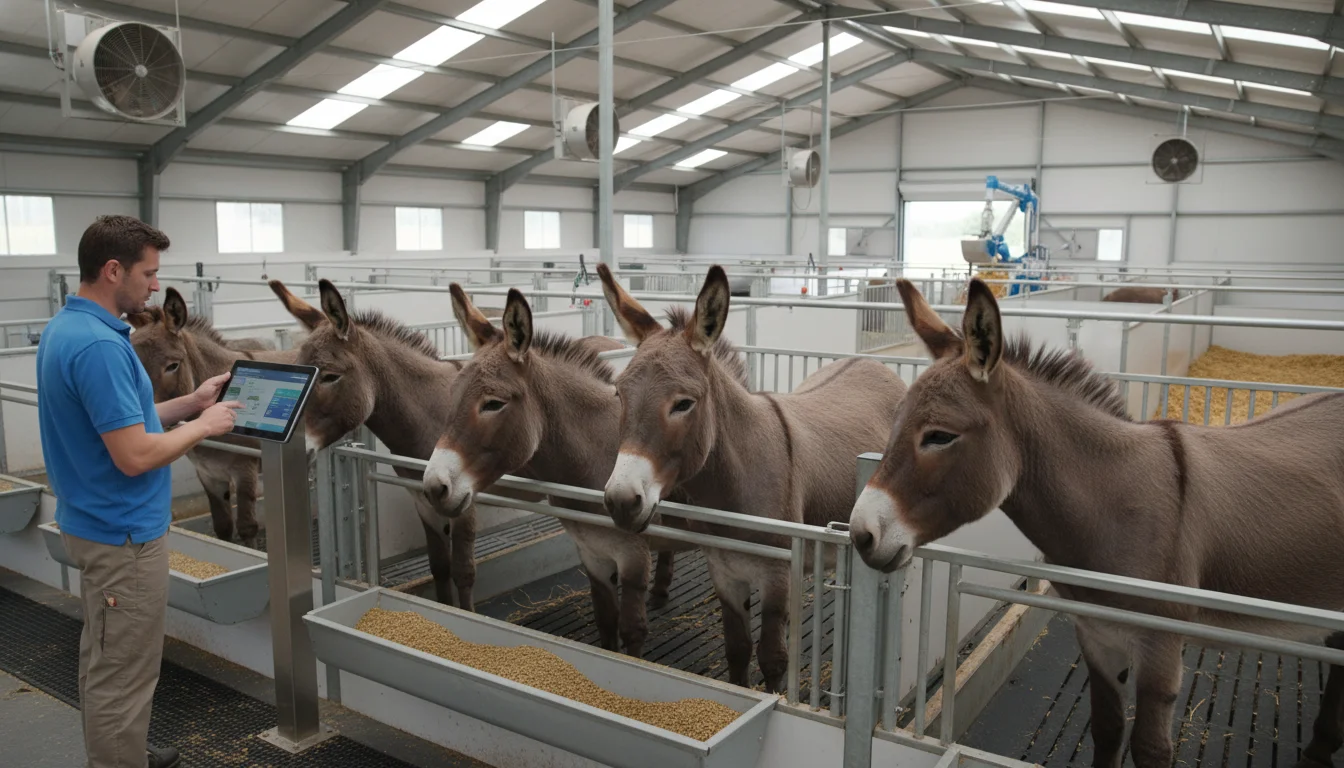
Donkey farming, once considered a traditional practice, has evolved into a sophisticated agricultural enterprise with significant economic potential. Modern donkey farming involves the systematic breeding, raising, and management of donkeys for various commercial purposes. Unlike conventional livestock farming, donkey farming offers unique advantages including lower maintenance costs, environmental sustainability, and diverse revenue streams.
The global interest in donkey farming has surged in recent years, particularly due to the growing demand for donkey milk in cosmetics and healthcare industries. According to the Food and Agriculture Organization (FAO), the donkey population in commercial farming has increased by approximately 15% annually in the past five years, reflecting the growing recognition of donkeys as valuable agricultural assets rather than merely working animals.
Successful donkey farming requires understanding the animals' unique nutritional needs, behavioral characteristics, and market dynamics. Unlike other livestock, donkeys are particularly efficient converters of low-quality forage into valuable products, making them ideal for sustainable agriculture practices in various climates and regions.
Benefits and Use Cases of Modern Donkey Farming
The economic benefits of donkey farming extend far beyond traditional uses. Here are the primary revenue streams that make donkey farming a viable agricultural business:
- Donkey Milk Production: Valued for its nutritional properties and use in high-end cosmetics, donkey milk can fetch $50-80 per liter in international markets. A single donkey can produce 1-2 liters daily during lactation periods.
- Tourism and Recreational Services: Donkey trekking, farm stays, and educational tours have become popular agro-tourism activities that provide consistent revenue with relatively low overhead costs.
- Therapeutic Applications: Donkey-assisted therapy for children with special needs and adults with mental health conditions has created new professional opportunities for donkey farmers.
- Breeding and Sales: Quality breeding stock commands premium prices, particularly for specific breeds like the Mammoth Jack or Poitou donkey.
- Working Animals: In many regions, donkeys remain valuable for agricultural work, transportation, and weed control in vineyards and orchards.
From a sustainability perspective, donkey farming offers environmental benefits. Donkeys require less water than cattle, produce lower methane emissions, and can thrive on marginal lands unsuitable for other agricultural purposes. Their efficient digestion allows them to convert low-quality forage into valuable products, making them ideal for regenerative agriculture systems.
Tips and Best Practices for Successful Donkey Farming
Establishing a profitable donkey farming operation requires careful planning and adherence to best practices. Here are essential considerations for aspiring and existing donkey farmers:
1. Proper Herd Management
Effective donkey farming begins with understanding herd dynamics. Donkeys are social animals that thrive in stable groups with clear hierarchies. Maintain a ratio of approximately one jack (male) for every 10-15 jennies (females) for optimal breeding results. Regular health checks, vaccination programs, and parasite control are essential for maintaining herd health and productivity.
2. Nutrition and Feed Optimization
Donkeys have specific nutritional requirements that differ from horses and other equines. They require high-fiber, low-energy diets to prevent obesity and metabolic issues. Quality pasture should form the basis of their diet, supplemented with straw or hay when necessary. The Goat Farming Calculator can provide comparative insights into feed optimization across different livestock types.
3. Facility Design and Infrastructure
Proper facilities are crucial for successful donkey farming. Design shelters that provide protection from extreme weather while ensuring adequate ventilation. Fencing should be sturdy and visible, as donkeys may not perceive single-strand electric fencing. Milk production facilities require special attention to hygiene and temperature control to maintain product quality.
4. Financial Planning and Market Access
Comprehensive financial planning separates successful donkey farming operations from struggling ones. Use specialized tools like the Yok Farming Calculator to understand comparative operational costs across different draft animal systems. Develop multiple revenue streams to mitigate market fluctuations and establish direct marketing channels to capture maximum value from your products.
5. Breeding and Genetics
Selective breeding improves herd quality and productivity over generations. Maintain detailed records of parentage, birth dates, health history, and production metrics. Consider genetic testing for hereditary conditions and work with breed associations to access superior genetics. The long gestation period of donkeys (approximately 12 months) requires careful planning to maintain consistent production cycles.
Related Concepts and Integrated Farming Approaches
Modern donkey farming rarely exists in isolation. Integrated farming systems that combine donkeys with other agricultural enterprises often yield superior economic and environmental outcomes. Consider these complementary approaches:
Agroforestry Integration: Donkeys can be effectively integrated into silvopastoral systems, where they help control undergrowth while fertilizing trees with their manure. This approach is particularly effective when combined with Goose Farming for enhanced weed control and diversified income.
Mixed Livestock Systems: Combining donkeys with poultry or small ruminants can optimize pasture utilization and pest control. Donkeys provide protection from predators for smaller animals while benefiting from their complementary grazing patterns.
Circular Economy Models: Donkey manure makes excellent fertilizer for crops, closing nutrient loops on the farm. Donkey milk byproducts can be used in value-added cosmetics or nutritional supplements, maximizing resource utilization.
The future of donkey farming looks promising, with growing recognition of its economic viability and environmental sustainability. As consumer interest in ethical, sustainable animal products continues to rise, well-managed donkey farms are positioned to capitalize on these trends. By implementing modern management practices, leveraging technology like our donkey farming calculator, and developing diversified revenue streams, farmers can build profitable, resilient agricultural enterprises centered around these remarkable animals.
Key Takeaways
- Donkey farming offers diverse revenue streams with relatively low input costs compared to other livestock enterprises
- Proper nutrition, herd management, and facility design are crucial for success in donkey farming
- Integrated farming approaches enhance the sustainability and profitability of donkey operations
- Regular financial analysis using specialized tools like our donkey farming calculator ensures informed decision-making
- The growing market for donkey products, particularly milk, presents significant opportunities for well-managed farms