
Comprehensive Guide to Profitable Duck Farming Operations
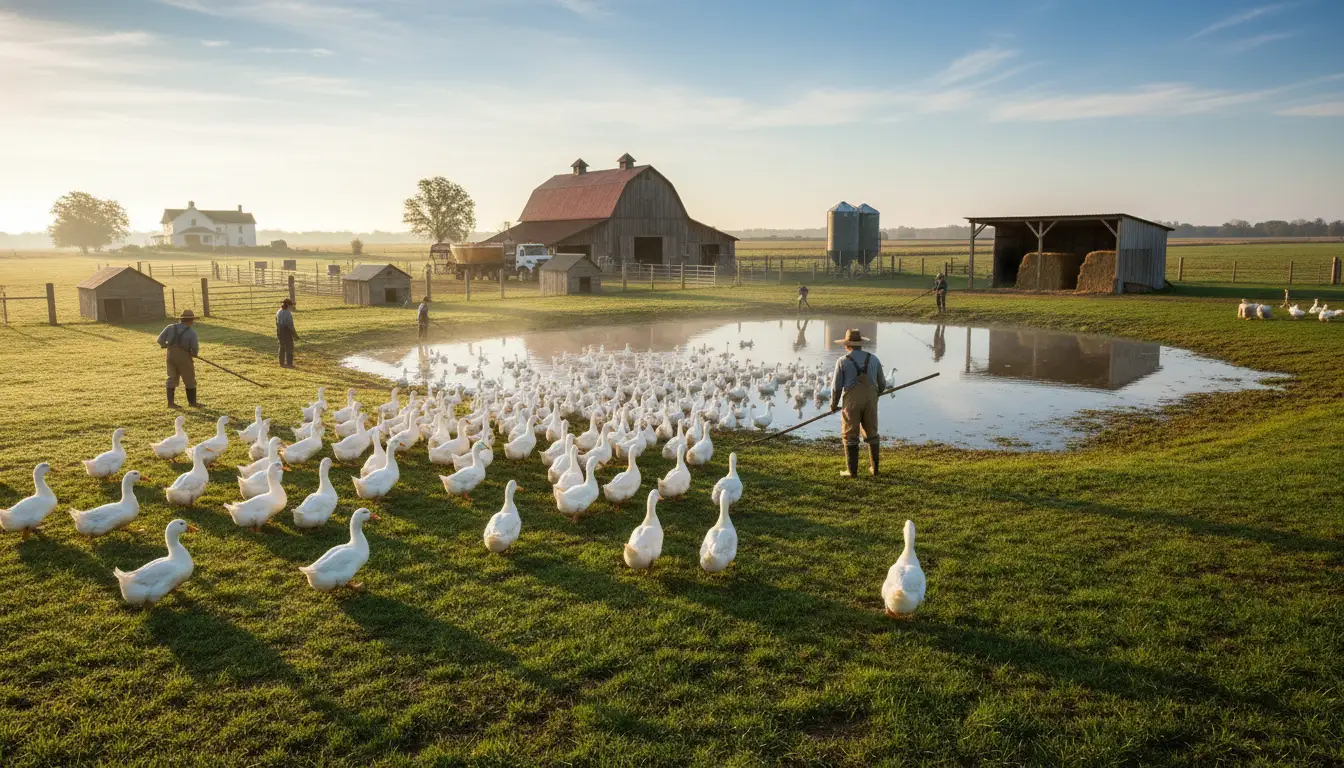
Raising ducks represents a significant opportunity in the poultry industry, offering unique advantages over traditional chicken operations. This comprehensive guide explores the profitability, best practices, and key considerations for successful duck farming operations. For more specialized agricultural tools, visit our comprehensive collection of agriculture and farming calculators.
What is Duck Farming and Why It Matters
This type of agriculture involves raising ducks for various purposes including meat, eggs, feathers, and down. Unlike other poultry, ducks are hardy birds that adapt well to different climates and farming systems. The global industry has seen steady growth due to increasing demand for alternative protein sources.
Successful operations require understanding the birds' unique needs, including their preference for water access, specific nutritional requirements, and different growth patterns compared to chickens. The profitability often exceeds that of traditional poultry when managed correctly, making it an attractive option for farmers looking to diversify.
Benefits and Use Cases
Duck farming offers several distinct advantages. These birds are generally more disease-resistant than chickens, reducing veterinary costs. They also forage efficiently, potentially lowering feed costs. Duck eggs are larger and often command premium prices in specialty markets. For more information on integrated farming systems and other specialized tools, explore our farming calculators collection.
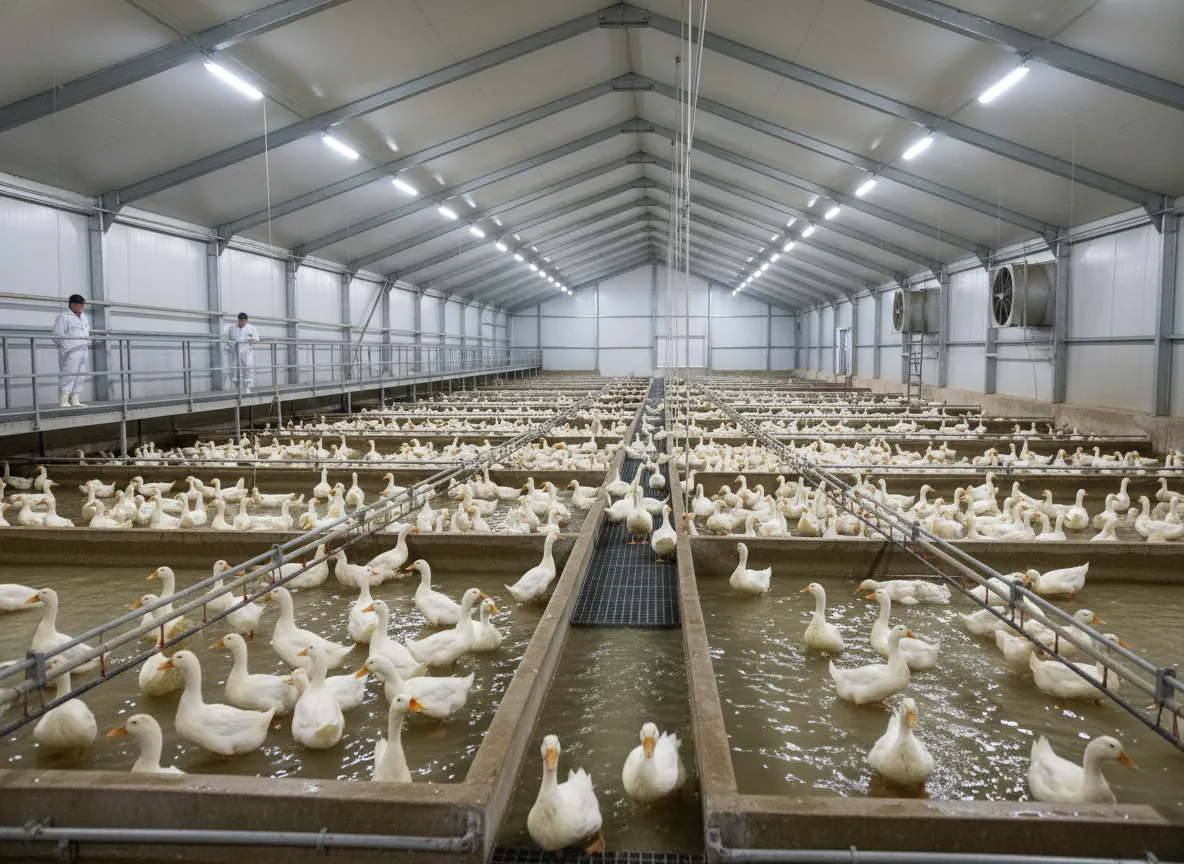
Commercial operations typically focus on meat production, with breeds like Pekin ducks reaching market weight in just 7-8 weeks. Egg production utilizes breeds like Khaki Campbell, which can lay 300+ eggs annually. Many farmers also practice integrated systems with rice cultivation, where ducks help control pests and fertilize fields naturally.
For those considering starting, it's essential to calculate potential returns using accurate tools. Our Duck farming calculator provides detailed profitability analysis based on your specific parameters. Additionally, comparing with our specialized duck farming calculator can help determine the best poultry option for your situation. For meat-focused operations, our broiler farming calculator offers specialized insights.
Tips and Best Practices
Effective management begins with proper housing. Ducks require dry bedding and protection from predators, but surprisingly don't need large bodies of water—simple troughs suffice for drinking and minimal swimming. Ventilation is crucial to prevent respiratory issues common in duck operations.
Nutrition represents 60-70% of total costs. Formulating balanced feed with adequate protein (16-22% depending on growth stage) significantly impacts growth rates and profitability. Many successful operations incorporate locally available feed ingredients to reduce costs.
Health management focuses on prevention rather than treatment. Regular vaccination against common diseases, clean water supply, and proper waste management maintain flock health. Monitoring tools like our profitability calculator help identify when health issues are affecting your bottom line. For a complete suite of agricultural planning tools, check out our agriculture and farming calculators platform.
Related Concepts and Integration
Modern duck farming operations increasingly integrate with sustainable agriculture practices. Agroecological approaches combine ducks with crop production, where birds provide natural pest control and fertilization. This integrated approach often improves overall farm profitability while reducing environmental impact.
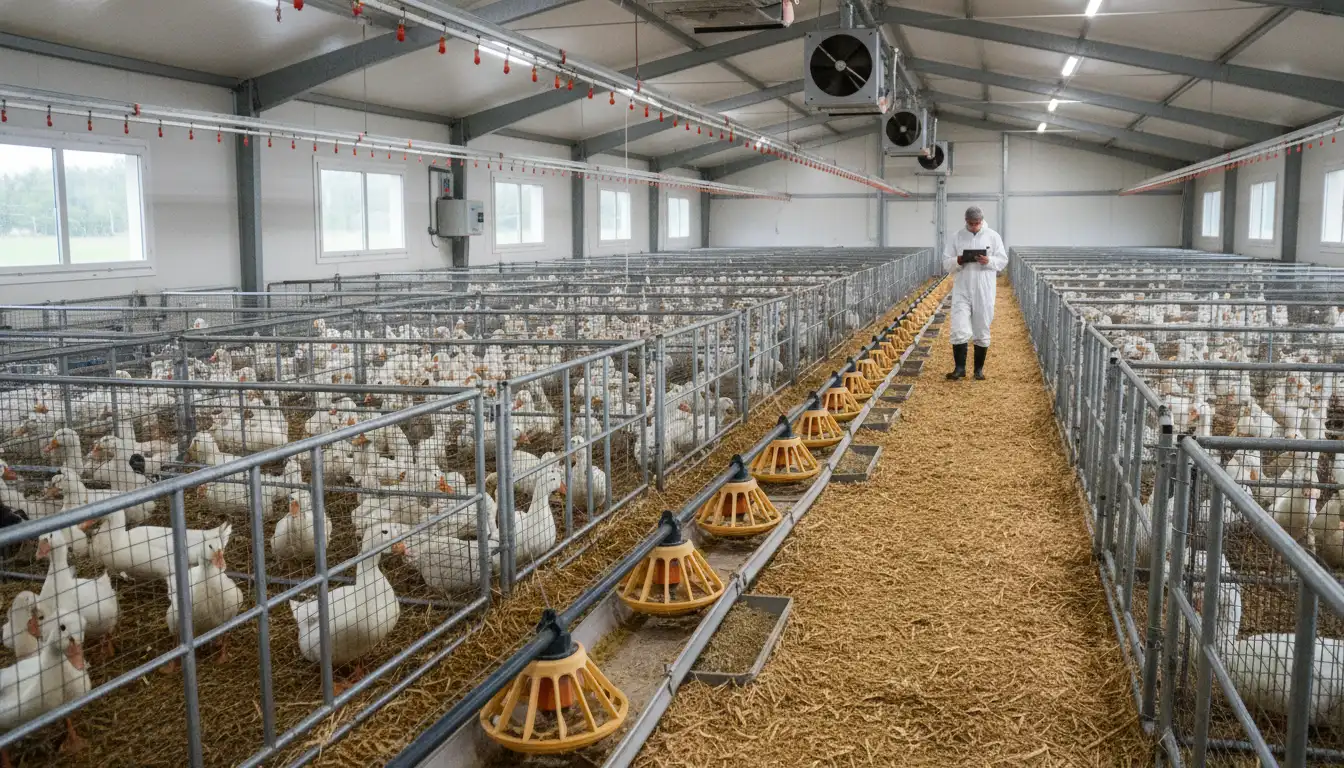
Technology adoption is transforming the industry. Automated feeding systems, environmental controls, and data monitoring improve efficiency. Digital tools like our calculator help optimize feeding schedules and production cycles for maximum profitability.
Market diversification represents another opportunity. Beyond fresh meat, value-added products like smoked duck, duck sausage, and duck fat command premium prices. Niche markets for organic or free-range products offer additional revenue streams for duck businesses.
Future of Poultry Operations
The industry continues evolving with consumer preferences shifting toward diverse protein sources. Sustainable practices, animal welfare considerations, and technological innovations will shape future profitability. Tools for accurate financial planning, like those provided by agricultural authorities such as the USDA, combined with specialized calculators, help farmers navigate these changes.
Climate resilience makes duck farming particularly relevant as agricultural systems adapt to changing conditions. Ducks' tolerance for varied environments and efficient feed conversion position this method as a sustainable option for future food production.
Whether starting a small-scale operation or expanding commercial production, thorough planning and continuous monitoring are essential. Regular profitability assessments using reliable tools ensure your duck farming business remains competitive and sustainable in the evolving agricultural landscape.