
Pro Goat Farming - Calculate with Precision
Optimize your caprine operations with our comprehensive calculator. Make data-driven decisions for meat production, milk yield, feed management, and profitability analysis to maximize your efficiency and success.
Calculation Results
Detailed Breakdown
Cost Analysis
Revenue Analysis
Calculation History
No calculation history yet
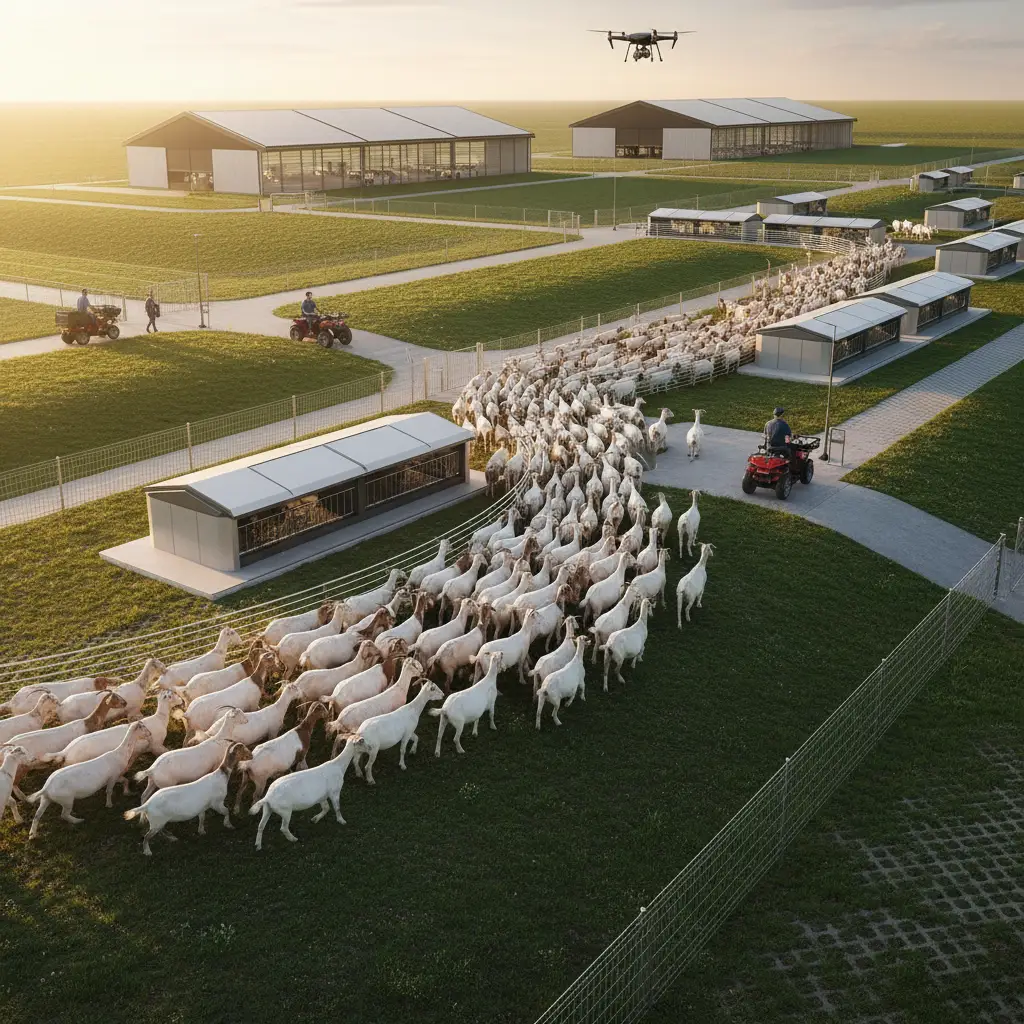
Modern Caprine Practices
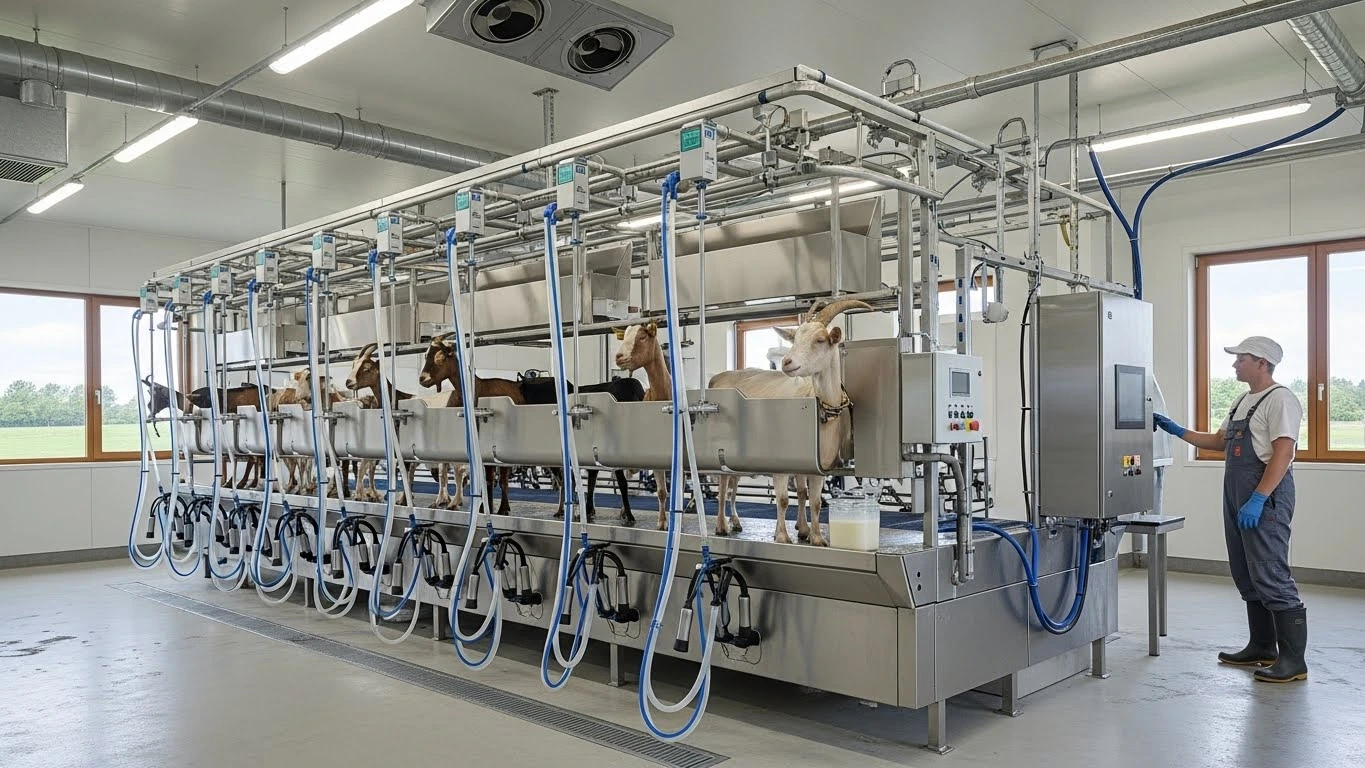
Dairy Goat Farming
Specialized goat farming for milk production with modern milking equipment and hygiene standards.
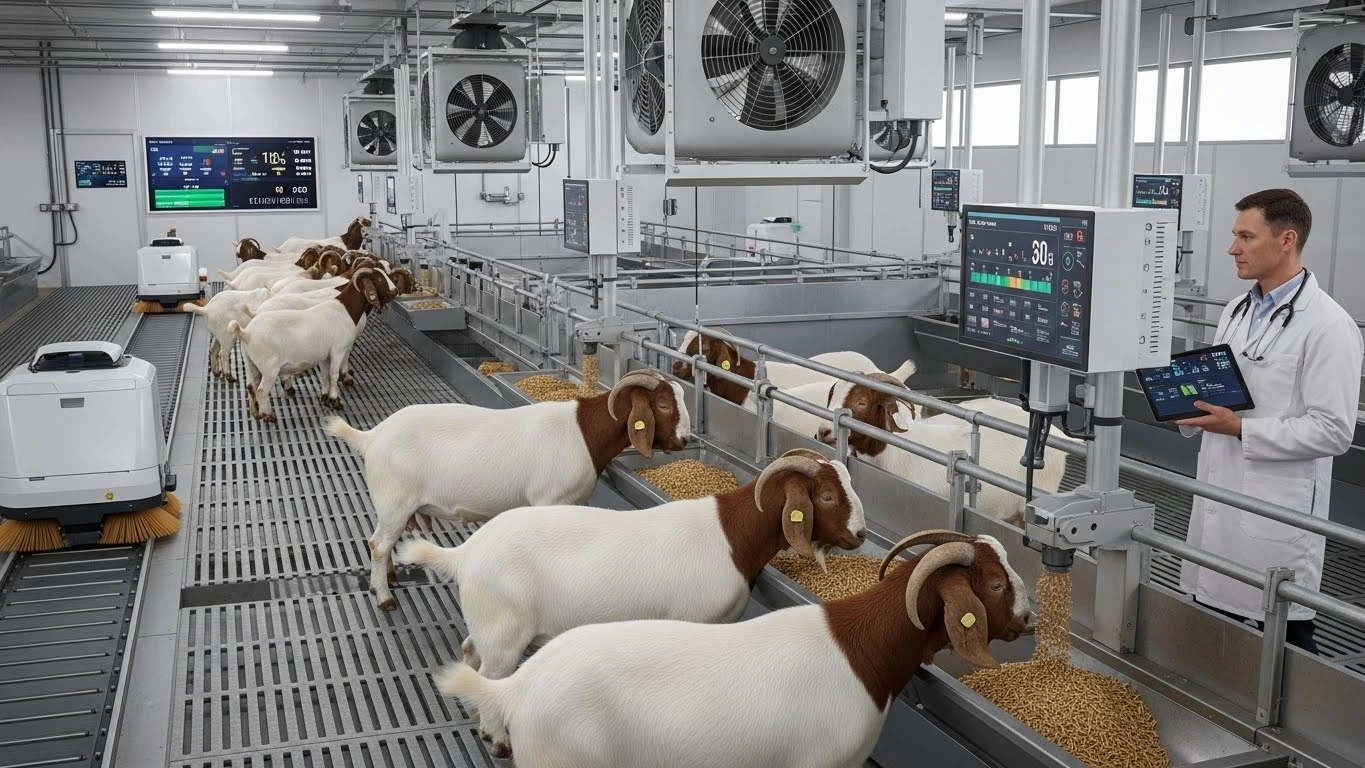
Meat Goat Production
Sustainable goat farming with breeds like Boer goats for efficient meat production.
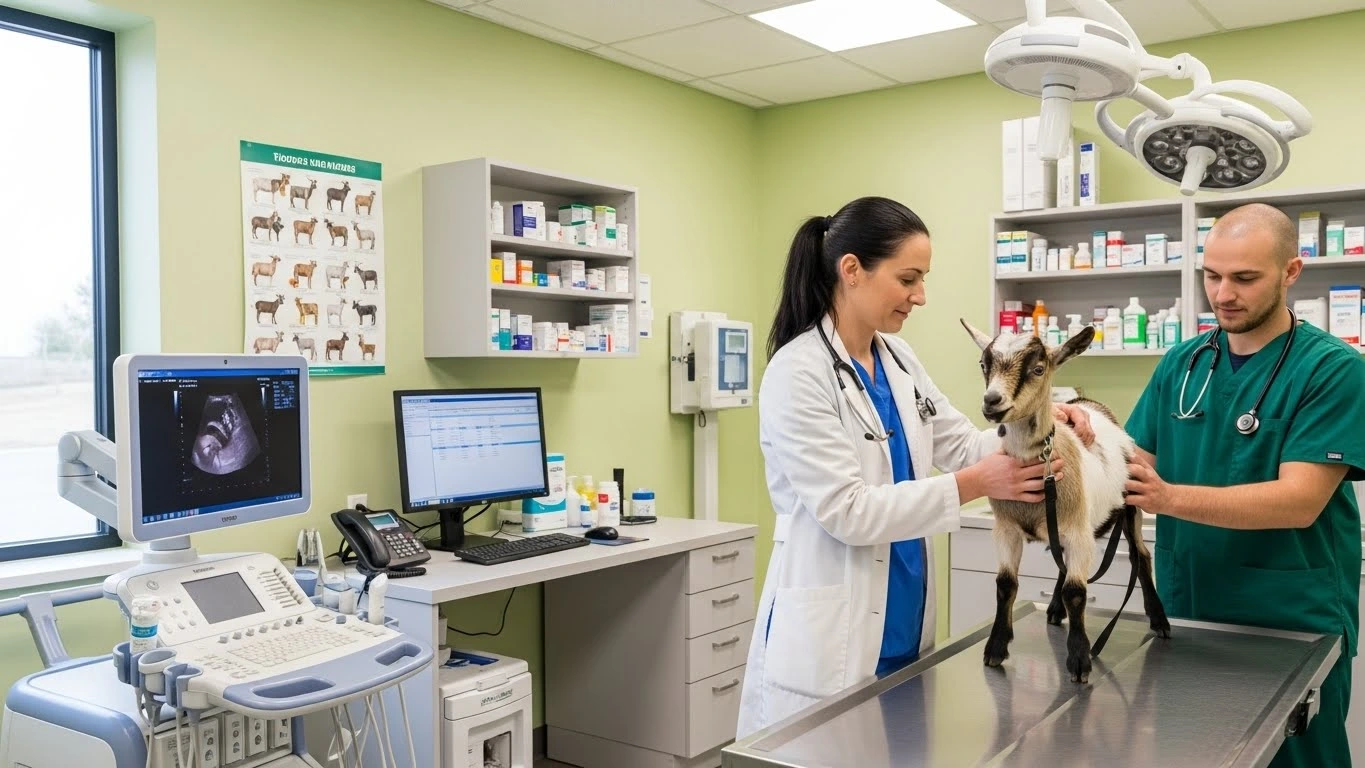
Health Management
Proactive veterinary care and health monitoring in modern goat farming operations.
Caprine AI Assistant
Get personalized recommendations for your caprine operations worldwide
Related Calculators
Environment & Energy
Tools for calculating carbon footprint, energy usage, and environmental impact for sustainable farming.
Dairy Farming
Specialized calculators for milk production, herd management, and dairy operations optimization.
Cattle Farming
Comprehensive calculators for beef and dairy cattle management, nutrition, and profitability analysis.
How to Use the Calculator
Enter your caprine details
Input the number of goats and select the goat type (meat, dairy, dual-purpose, or fiber). This calculator adapts to your specific operation type.
Provide cost and pricing information
Enter the monthly feed cost per goat and the product price per unit based on your operation. The calculator adjusts for regional market variations.
Select your country/region
Choose your location for region-specific calculations and market insights. Our database includes adjustments for 13+ countries worldwide.
Click "Calculate Now" and review results
Analyze the visual charts, profitability breakdowns, and export your calculation history for future reference and planning.
What is Caprine Agriculture?
Goat farming represents one of the most versatile and sustainable forms of animal agriculture practiced worldwide. This agricultural activity involves raising domesticated goats for various purposes including meat production, milk, fiber, and skin. Modern caprine operations have gained significant popularity due to goats' adaptability to diverse climates, efficient feed conversion rates, and relatively low startup costs compared to other livestock operations.
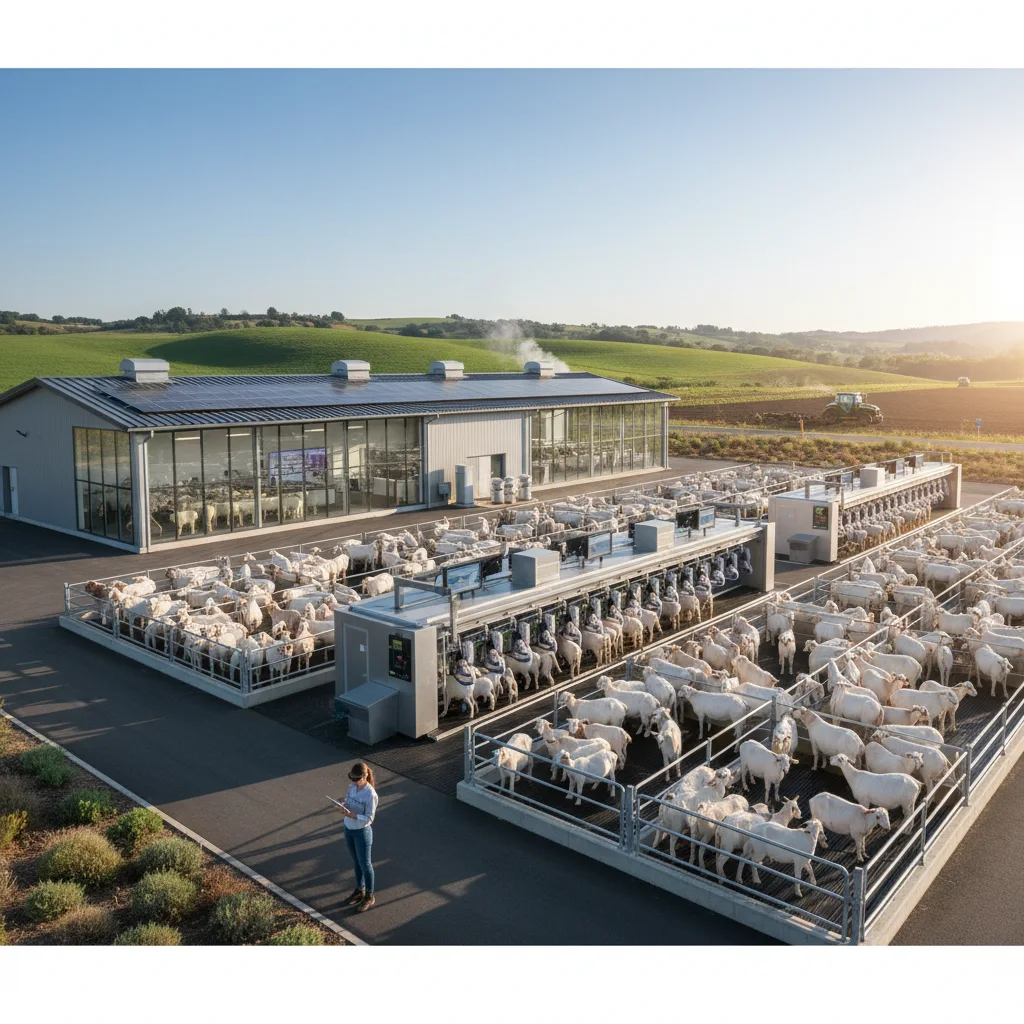
The practice of goat farming varies significantly across different regions and cultural contexts. In developing countries, caprine agriculture often serves as a crucial source of livelihood and food security for rural households. In developed nations, commercial operations have evolved into sophisticated enterprises specializing in niche markets such as artisanal cheese production, organic meat, or luxury fiber production. Regardless of scale, successful goat farming requires understanding of animal behavior, nutritional needs, reproductive management, and disease prevention.
Contemporary management incorporates scientific practices to optimize productivity and animal welfare. These include selective breeding programs to enhance desirable traits, balanced ration formulation based on nutritional requirements, and preventive healthcare measures. The economic viability of goat farming depends on careful planning, market analysis, and efficient resource management. Many producers participate in certification programs for organic production, animal welfare standards, or specific quality benchmarks to access premium markets.
Global trends reflect changing consumer preferences and market dynamics. There's growing demand for goat products due to perceived health benefits, cultural diversity in food choices, and increasing awareness of sustainable agricultural practices. Goat farming contributes significantly to rural economies, particularly in regions where other agricultural activities face environmental constraints. The sector provides employment opportunities throughout value chains, from production to processing and marketing of products.
Environmental considerations play an increasingly important role in contemporary operations. Compared to larger ruminants, goats generally have lower environmental footprints in terms of methane emissions and land use requirements. Sustainable goat farming practices include rotational grazing systems that prevent overgrazing, integrated farming approaches that utilize goats for vegetation management, and waste management strategies that minimize environmental impact. Many producers are adopting agroecological principles to enhance biodiversity and ecosystem services through their operations.
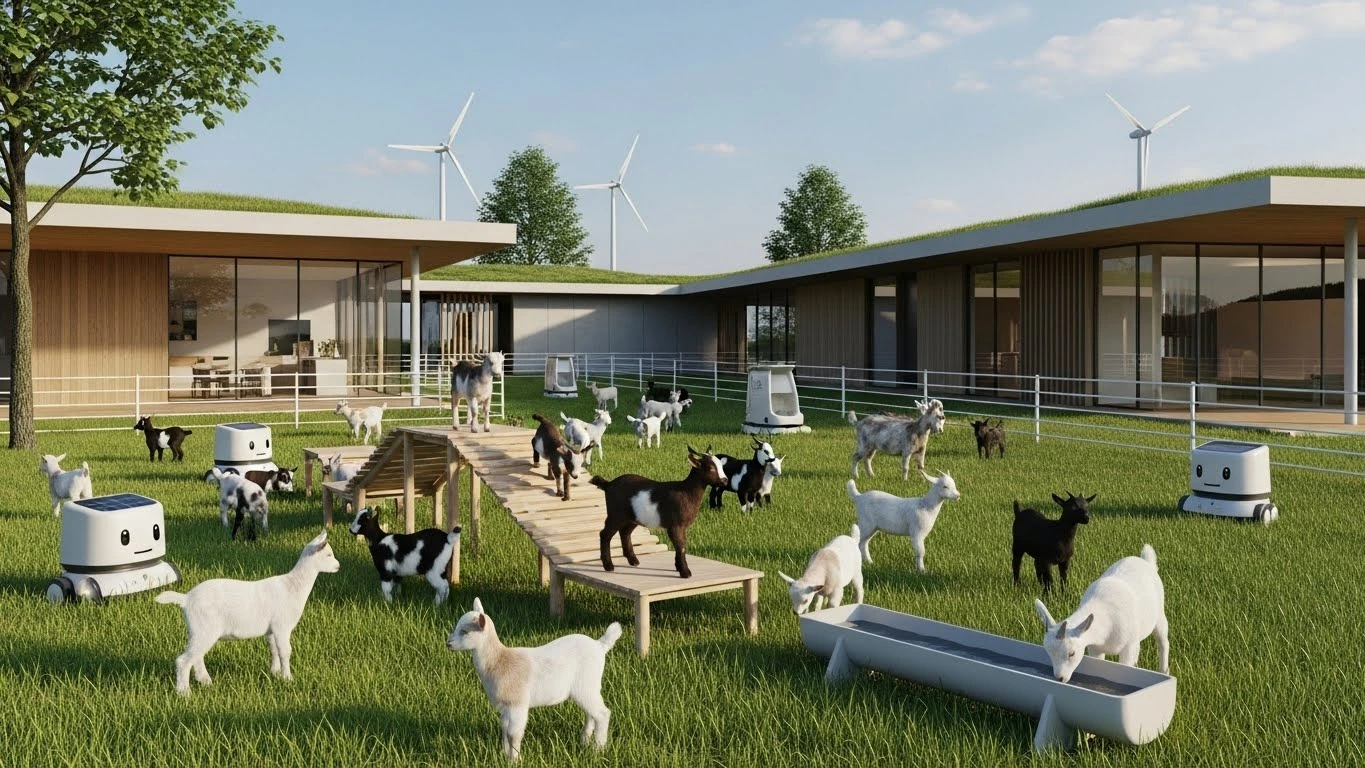
Technological advancements are transforming caprine management through precision livestock approaches. These include electronic identification systems, automated feeding equipment, remote monitoring technologies, and data analytics platforms that optimize various aspects of operations. Such innovations enable producers to make evidence-based decisions that improve productivity, animal health monitoring, and resource efficiency. Research continues to develop improved breeds, feeding strategies, and management protocols tailored to different systems.
Market dynamics significantly influence goat farming economics, with regional variations in product preferences and pricing structures. In some regions, goat meat commands premium prices during cultural or religious festivals, while in others, goat milk products have established niche markets. Understanding these market patterns is essential for successful enterprises. Many producers develop direct marketing channels, participate in farmers' markets, or establish cooperative arrangements to capture higher value from their activities.
Educational resources and extension services play crucial roles in advancing practices worldwide. Agricultural universities, research institutions, and development organizations provide training programs, technical guidance, and knowledge exchange platforms for producers at various scales. These initiatives help disseminate best practices, introduce improved technologies, and address challenges facing communities. Capacity building remains fundamental to enhancing the competitiveness and sustainability of goat farming globally.
The future appears promising, driven by increasing global population, changing dietary patterns, and growing recognition of goats' adaptability to climate variability. Innovation in product development, value addition, and market access will continue to create opportunities for producers. As consumers seek more sustainable and ethically produced animal products, goat farming offers viable pathways for agricultural development that balance economic, social, and environmental considerations. Continued investment in research, infrastructure, and market development will further strengthen the sector worldwide.
Explore More Agricultural Calculators
Check out our other specialized calculators for comprehensive farm management:
For authoritative information on sustainable practices, visit the Food and Agriculture Organization of the United Nations.
Calculation Formulas
Monthly Feed Cost Formula
Monthly Feed Cost ($) = Herd Size × Feed Cost per Goat ($/month) × Regional Adjustment Factor
This calculates total monthly feed expenses based on herd size and individual feeding requirements in operations, adjusted for regional cost variations.
Monthly Revenue Formula
Monthly Revenue ($) = Herd Size × Average Production (units/goat) × Product Price ($/unit) × Market Adjustment Factor
Where average production varies by goat type: meat (kg), milk (liters), fiber (kg), or kids (number). Market adjustment accounts for regional price variations.
Annual Profit Formula
Annual Profit ($) = [(Monthly Revenue - Monthly Feed Cost) × 12] - Other Annual Costs
Note: Other costs include veterinary care, housing maintenance, labor, marketing expenses, and equipment depreciation in operations.
Example Calculation
For an operation with 50 meat goats, feed cost of $15/goat/month, average meat production of 25kg/goat/year, and meat price of $8/kg in the United States:
- Monthly Feed Cost = 50 × 15 × 1.2 (US adjustment) = $900
- Monthly Meat Production = (50 × 25) ÷ 12 = 104.17 kg/month
- Monthly Revenue = 104.17 × 8 × 1.3 (US price premium) = $1,083.37
- Annual Profit = (1,083.37 - 900) × 12 = $2,200.44 (excluding other costs)
Frequently Asked Questions
Our calculator incorporates regional adjustments based on country selection, accounting for variations in feed costs, market prices, and production standards. However, local conditions, breed variations, and management practices may affect actual results. We recommend using the calculator as a planning tool and adjusting figures based on your specific circumstances and regional market research.
For meat production, Boer goats are highly regarded for fast growth and good carcass quality. For dairy operations, Saanen and Alpine breeds excel in milk production. Dual-purpose breeds like Nubian offer both milk and meat. For fiber production, Angora and Cashmere goats produce quality mohair and cashmere respectively. The optimal breed choice depends on your goals, climate, and market opportunities.
Land requirements for goat farming vary by system: intensive systems may need 0.25-0.5 acres per 10 goats, while extensive grazing systems require 1-2 acres per goat annually. Factors include forage quality, climate, and supplementary feeding practices. Sustainable operations emphasize rotational grazing to maintain pasture health and optimize land use efficiency across different regions and farming contexts.
Common challenges include disease management (especially parasitic infections), predator control, market access and price volatility, feed availability and cost fluctuations, labor requirements, and regulatory compliance. Successful operations address these through preventive healthcare, proper fencing, market diversification, feed planning, efficient labor management, and staying informed about agricultural regulations.
Goat farming supports sustainable agriculture through efficient feed conversion, vegetation management (controlling weeds and brush), soil fertility improvement via manure, biodiversity conservation of local goat breeds, and livelihood creation in marginal areas. Compared to larger livestock, goats typically have lower greenhouse gas emissions per unit of product, making it an environmentally conscious choice within diversified agricultural systems worldwide.