
Complete Guide to Profitable Goose Farming
Goose Farming represents one of the most promising and profitable ventures in modern agriculture. With increasing demand for sustainable and ethically-raised poultry products, raising geese offers unique advantages that set it apart from other livestock operations.
What is Goose Farming and Why It Matters
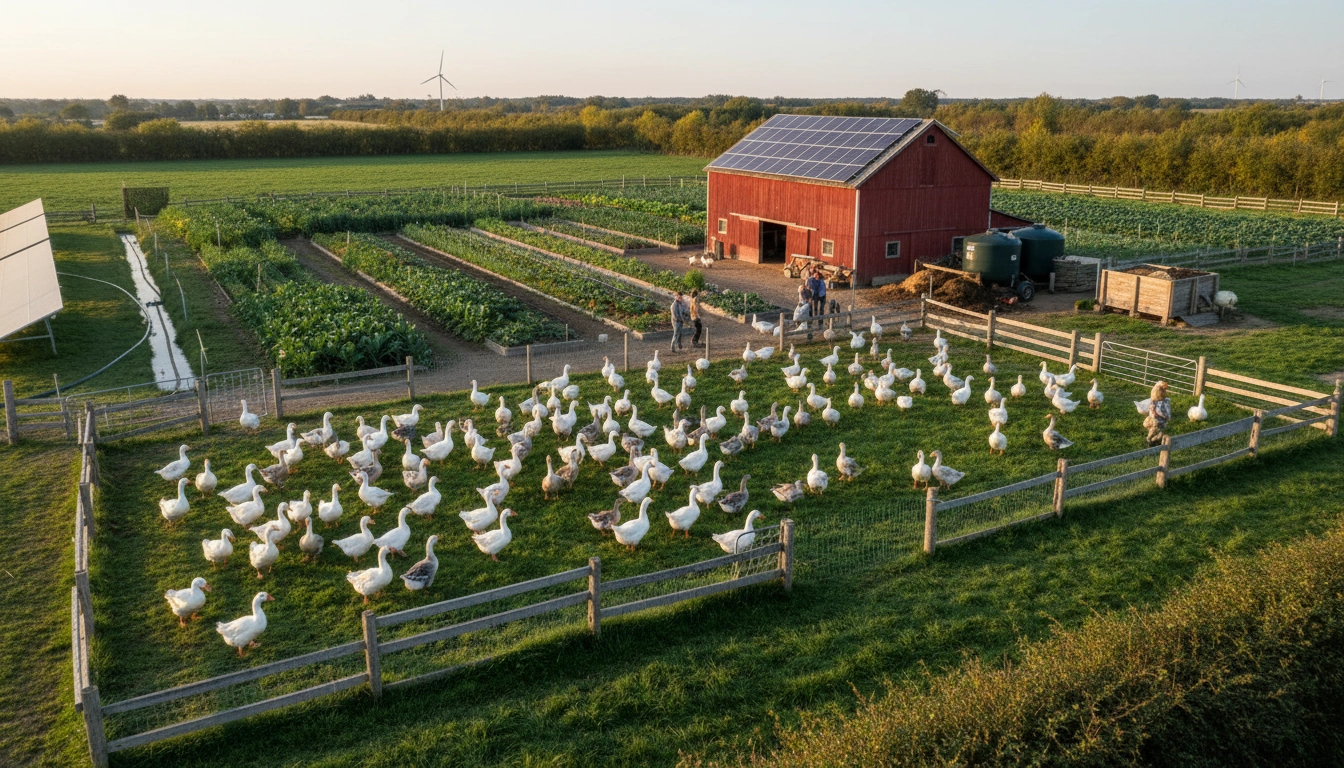
Goose farming involves the systematic raising and management of geese for various products including meat, eggs, feathers, and specialty items like foie gras. Unlike other poultry operations, this practice benefits from geese's natural grazing abilities, making them more sustainable and cost-effective to raise. The practice of raising geese dates back centuries but has seen significant modernization in recent decades.
The importance of this agricultural practice in today's landscape cannot be overstated. As consumers become more conscious about food sources and animal welfare, goose farming provides an excellent model for sustainable meat production. Geese require less concentrated feed than chickens or turkeys, can thrive on pasture, and contribute to land management through their grazing patterns.
Related Tool: Interested in other poultry options? Check out our Poultry Farming Calculator to compare different farming models.
Benefits and Use Cases
The benefits of raising geese extend beyond simple meat production. A well-managed operation can yield multiple revenue streams:
- Premium Meat Production: Goose meat commands higher prices per pound than chicken or turkey, especially when marketed as free-range or organic.
- Egg Production: While not as prolific as chickens, geese produce large, nutrient-rich eggs that are prized in specialty markets.
- Down and Feathers: High-quality down from geese operations is essential for premium bedding and outdoor clothing.
- Weed Control: Geese are natural grazers and can be used for weed control in orchards and vineyards, adding value beyond direct products.
- Cultural and Holiday Markets: Goose products benefit from strong seasonal demand, particularly around winter holidays in many cultures.
Tips and Best Practices
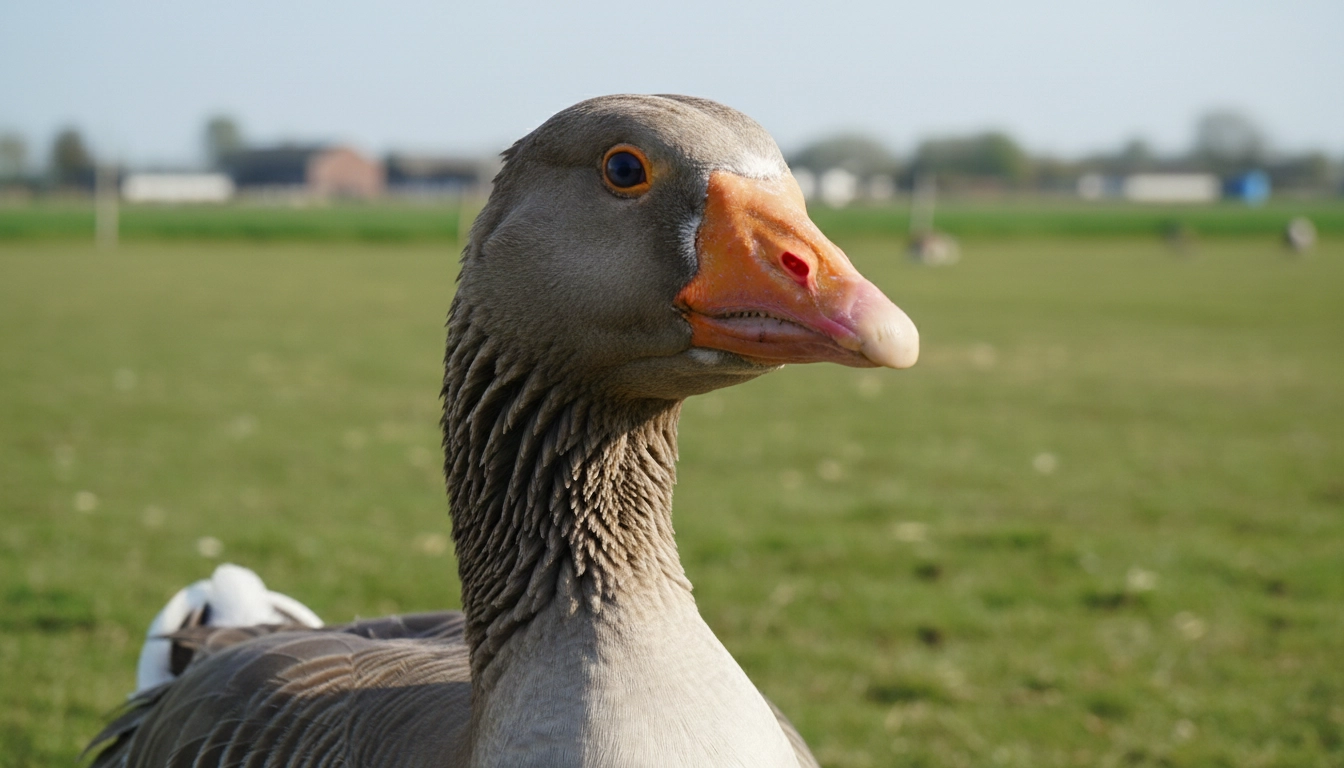
Successful goose farming requires attention to several key areas. First and foremost, breed selection is critical. Embden geese grow quickly and are ideal for meat production, while Chinese geese are excellent layers. Toulouse geese, with their larger livers, are preferred for foie gras production.
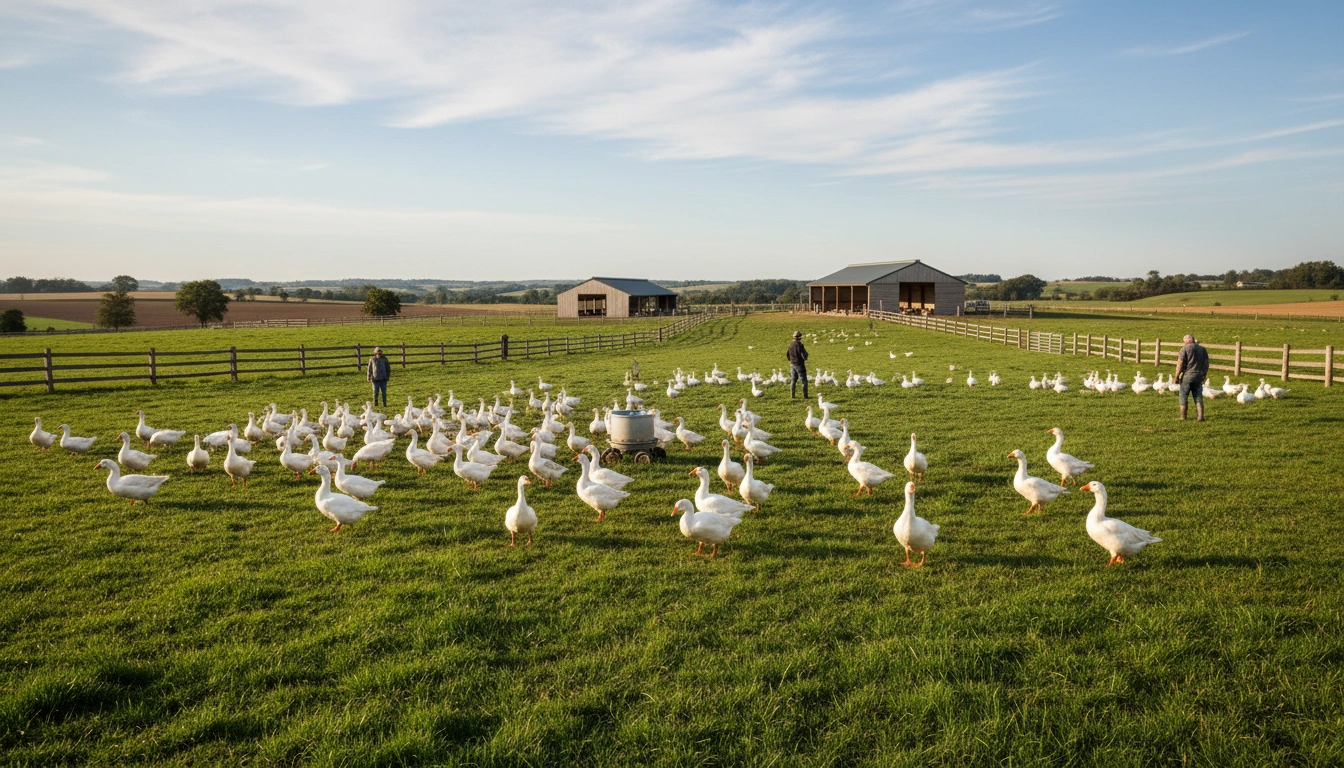
Feeding strategies differ significantly from other poultry. Geese are grazers by nature and can obtain up to 80% of their nutritional needs from quality pasture. This dramatically reduces feed costs compared to confinement poultry systems. Supplemental feeding should focus on protein-rich grains during growth periods and breeding seasons.
Planning Tip: Use our Goat Farming Calculator to explore complementary livestock options that can integrate with your operation.
Health Management
Health management is crucial to maintain low mortality rates and ensure flock productivity. Unlike chickens, geese are relatively hardy birds, but operations must still address common health concerns. Regular vaccination programs, parasite control, and biosecurity measures are essential components of professional management.
Water quality and availability represent another critical factor. Geese require access to clean water for drinking and, ideally, for swimming. While not absolutely necessary, swimming water helps maintain feather quality and supports natural behaviors. This is particularly important for operations focused on down production.
Marketing and Economics
The economic viability of goose farming depends significantly on effective marketing strategies. Direct-to-consumer sales through farmers' markets, farm stands, and community-supported agriculture (CSA) programs often yield the highest returns for products. Specialty restaurants seeking local, sustainable ingredients represent another valuable market for operations.
Seasonality plays a major role in economics. Most geese are marketed in the fall and winter months, particularly around holidays. Successful operations plan their breeding and rearing schedules to align with these peak demand periods. Some operations extend their market season by offering value-added products like smoked goose breast, pâtés, and rendered goose fat.
Research Reference: For comprehensive agricultural guidelines and sustainable farming practices, consult the Food and Agriculture Organization's goose production resources , an authoritative source on global farming practices.
Diversification Opportunity: Consider adding Guinea Fowl to your farming operation as they can complement geese by controlling different types of pests.
Sustainable Practices
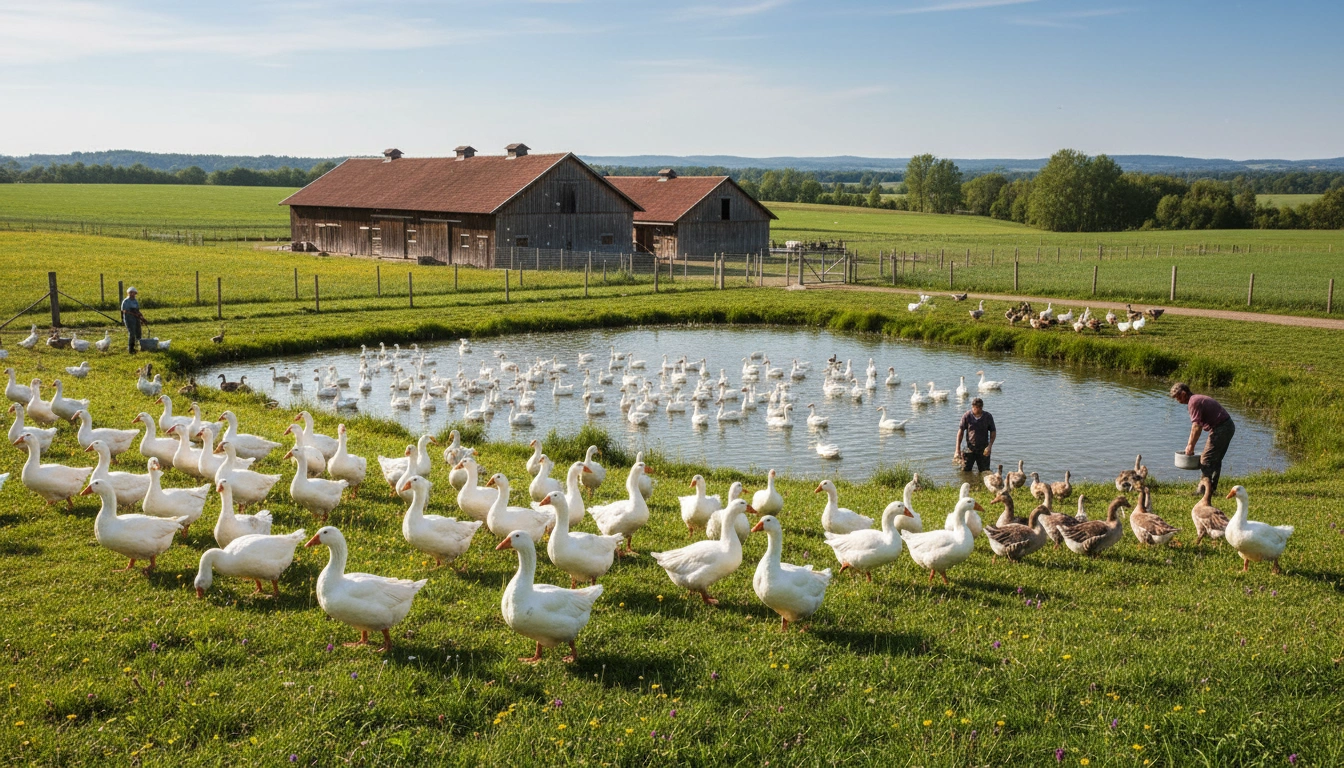
Sustainability is increasingly important in all agricultural sectors, and goose farming offers several inherent advantages. The grazing nature of geese means operations can be integrated into regenerative agriculture systems. Geese can follow other livestock in rotational grazing systems, helping to control weeds and improve pasture health without the environmental impact of herbicides.
Many successful operations combine geese with other livestock in what's known as multi-species grazing. This approach maximizes land use efficiency and can improve overall farm resilience. Operations that implement these integrated systems often see improved soil health, reduced parasite loads, and better utilization of available forage resources.
Future Trends
The future of goose farming looks promising as consumer trends shift toward sustainable and ethically-produced meat. Niche markets for heritage breed geese, pasture-raised products, and locally-sourced poultry continue to grow. Technological advancements are also reaching the industry, with improvements in breeding stock, feed formulations, and management software.
As climate considerations become more pressing, the lower carbon footprint of raising geese compared to grain-fed livestock positions it well for future growth. Geese's ability to thrive on marginal lands and their efficiency in converting forage to high-quality protein make this type of farming an attractive option for sustainable food production in the coming decades.
Ready to Start Your Goose Farming Journey?
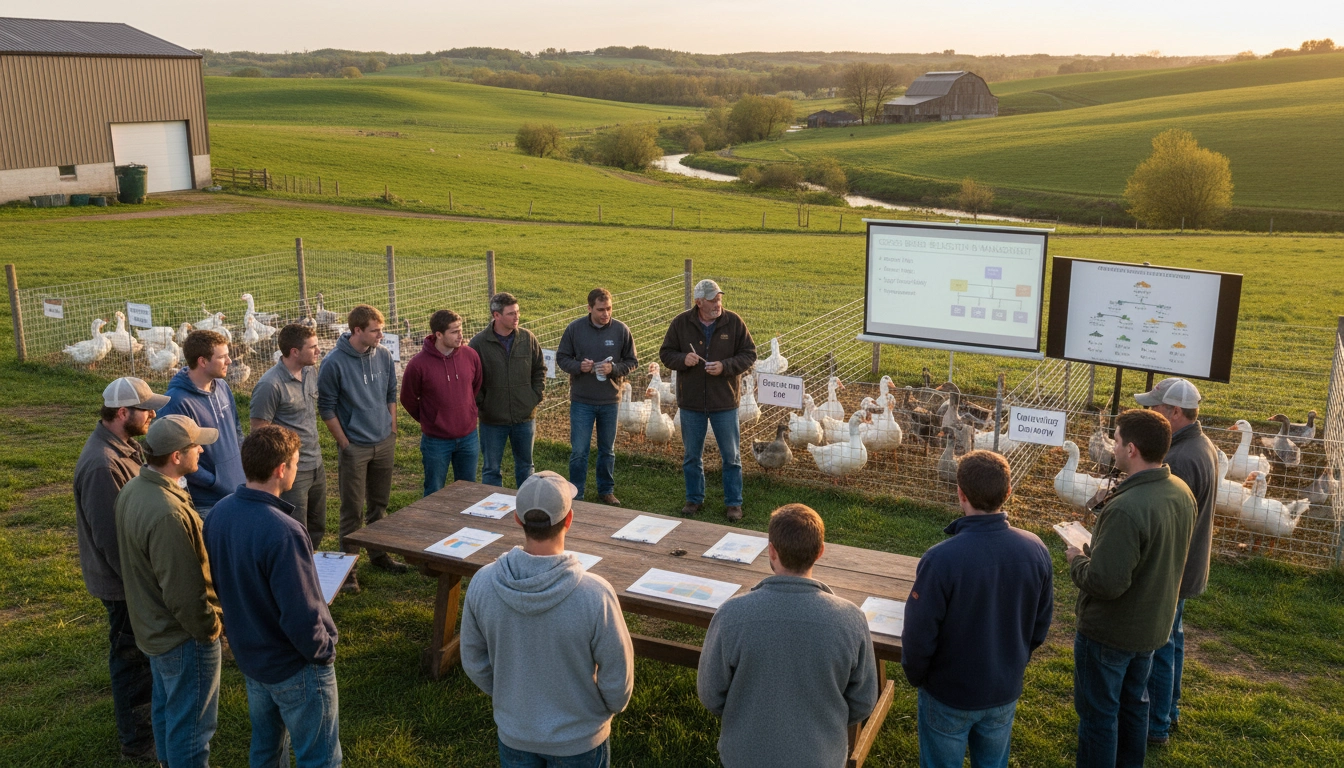
Use our advanced Goose Farming Calculator above to plan your operation, estimate costs, and project profitability. Whether you're starting small with a backyard flock or planning a commercial enterprise, proper planning is essential for success.