
Complete Guide to Profitable Guinea Pig Farming
What is Guinea Pig Farming and Why It Matters
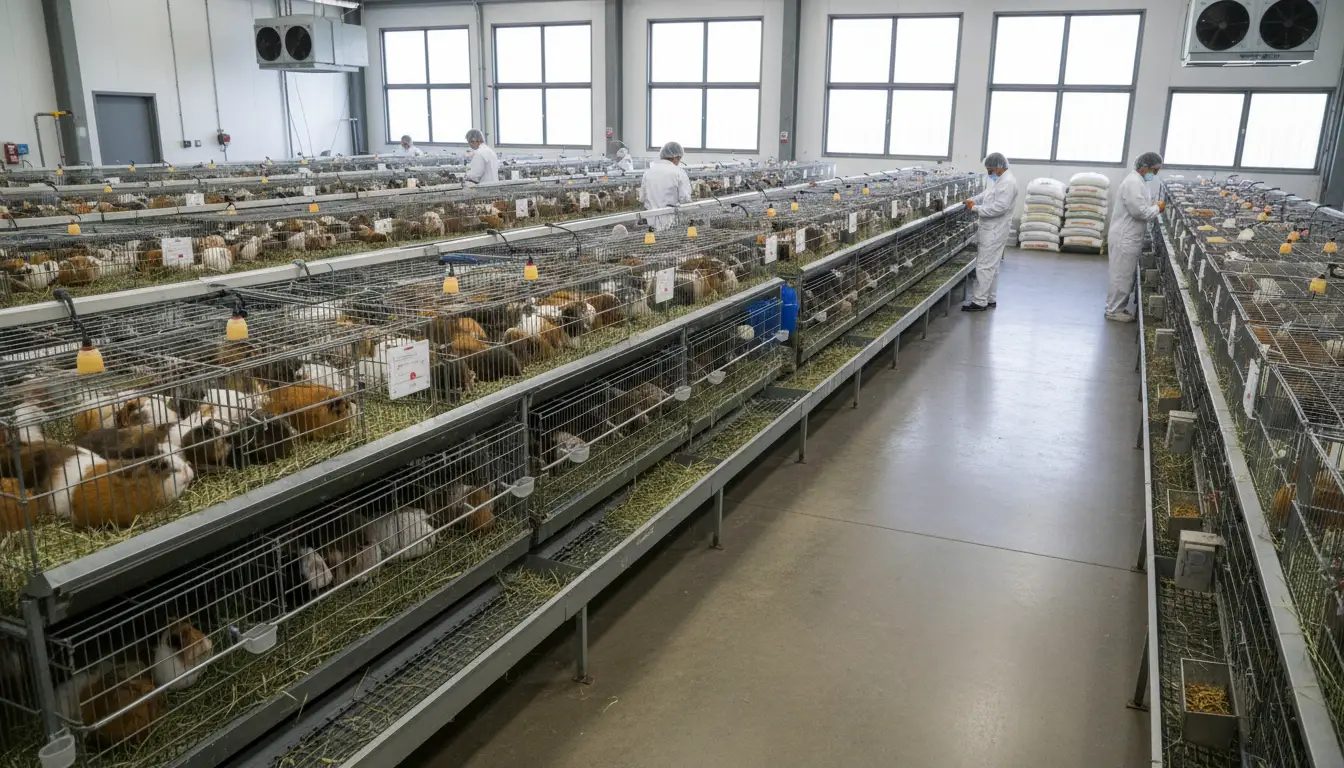
Guinea pig farming, also known as cavy farming, is the practice of raising guinea pigs for various purposes including pets, breeding stock, laboratory animals, and in some cultures, for meat production. This form of micro-livestock farming has gained popularity due to its low startup costs, minimal space requirements, and quick return on investment.
Unlike traditional livestock, guinea pigs have a rapid reproduction rate and can thrive in small spaces, making them ideal for urban and small-scale farming operations. In South America, particularly in Peru, Ecuador, and Bolivia, guinea pig farming is an important cultural tradition and source of protein. The global pet market also creates consistent demand for healthy, well-bred guinea pigs.
Benefits and Use Cases of Guinea Pig Farming
Guinea pig farming offers several unique advantages that make it an attractive agricultural venture:
- Low Initial Investment: Compared to traditional livestock, guinea pigs require minimal startup capital. A small breeding operation can begin with just a few hundred dollars.
- Rapid Reproduction: With a gestation period of only 59-72 days and the ability to breed year-round, guinea pigs can quickly multiply your initial investment.
- Multiple Revenue Streams: Guinea pig farming can generate income from pet sales, breeding stock, laboratory animals, and in some markets, as a source of lean protein.
- Educational Value: Many schools and educational programs use guinea pigs for teaching biology and responsible pet ownership.
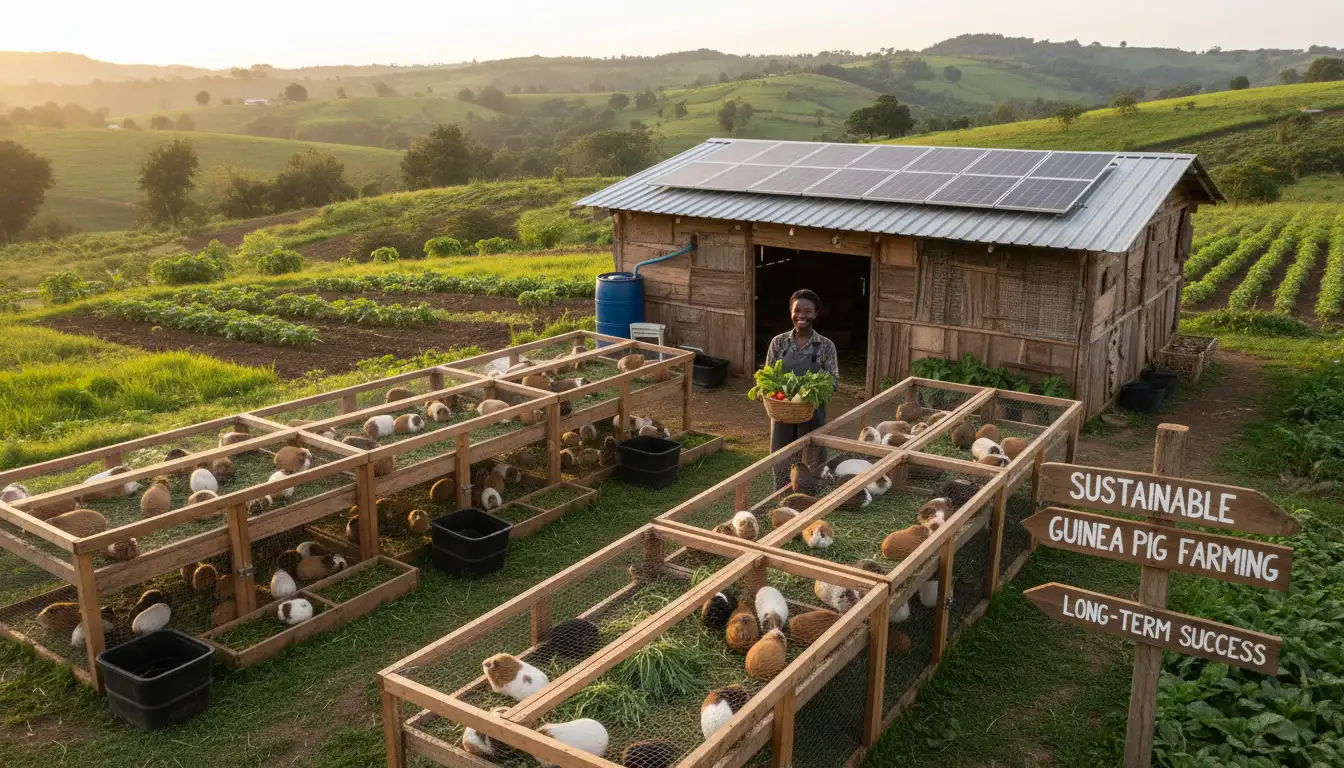
- Sustainability: Guinea pigs have a small environmental footprint and can be fed with kitchen scraps and forage, reducing feed costs.
Tips and Best Practices for Successful Guinea Pig Farming
To maximize profitability and ensure animal welfare in your guinea pig farming operation, follow these expert recommendations:
1. Selective Breeding: Choose healthy, unrelated stock with good conformation. Keep detailed breeding records to track lineage and prevent inbreeding. Consider specializing in particular breeds or colors that command higher prices in the pet market.
2. Optimal Housing: Provide at least 7.5 square feet per guinea pig, with separate areas for breeding, growing, and isolation. Use C&C (cubes and coroplast) cages or modified rabbit hutches for easy cleaning and good ventilation. Maintain temperature between 65-75°F (18-24°C) and humidity around 50%.
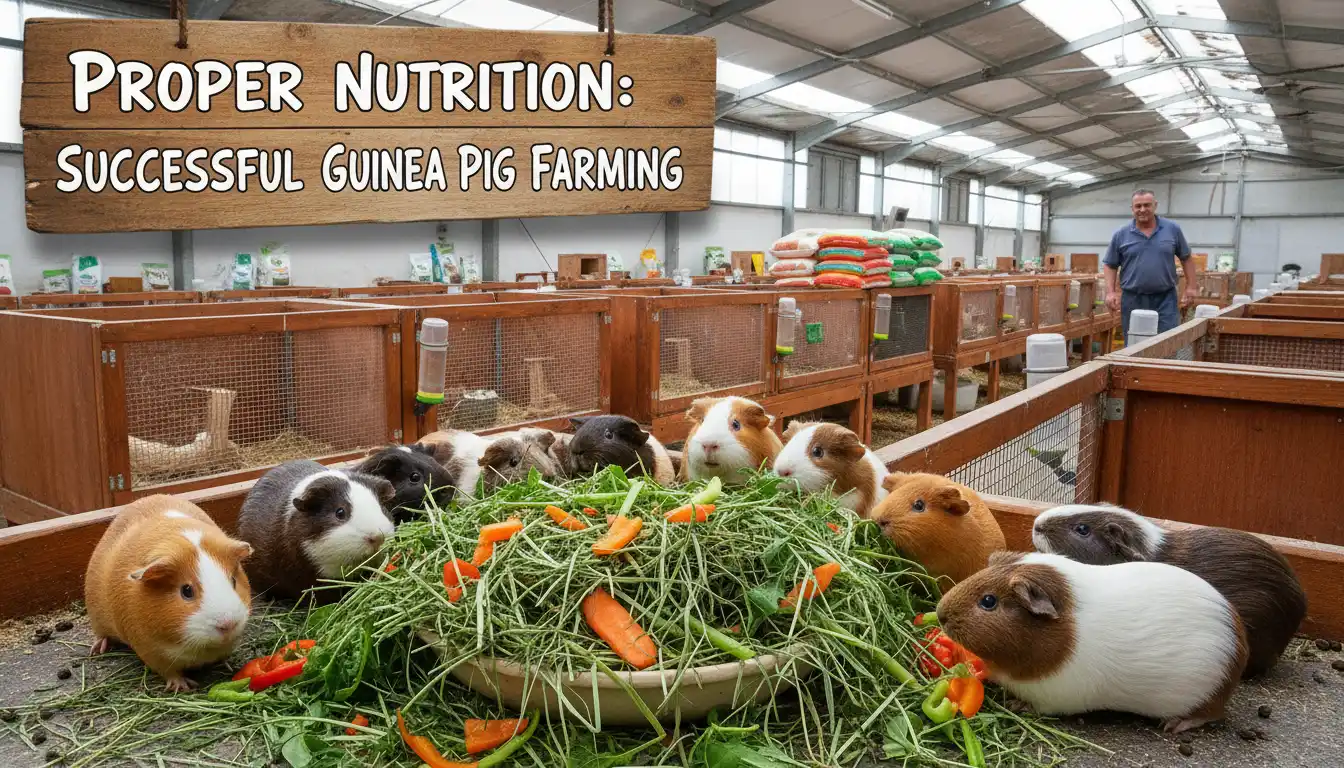
3. Nutrition Management: Feed a balanced diet of high-quality guinea pig pellets, fresh hay (timothy or orchard grass), and daily vegetables rich in Vitamin C. Guinea pigs cannot synthesize Vitamin C and require 10-30mg daily to prevent scurvy. Fresh, clean water should always be available.
4. Health Monitoring: Establish a relationship with an exotic animal veterinarian. Regularly check for signs of respiratory infections, mites, dental problems, and obesity. Quarantine new arrivals for at least two weeks before introducing them to your existing stock.
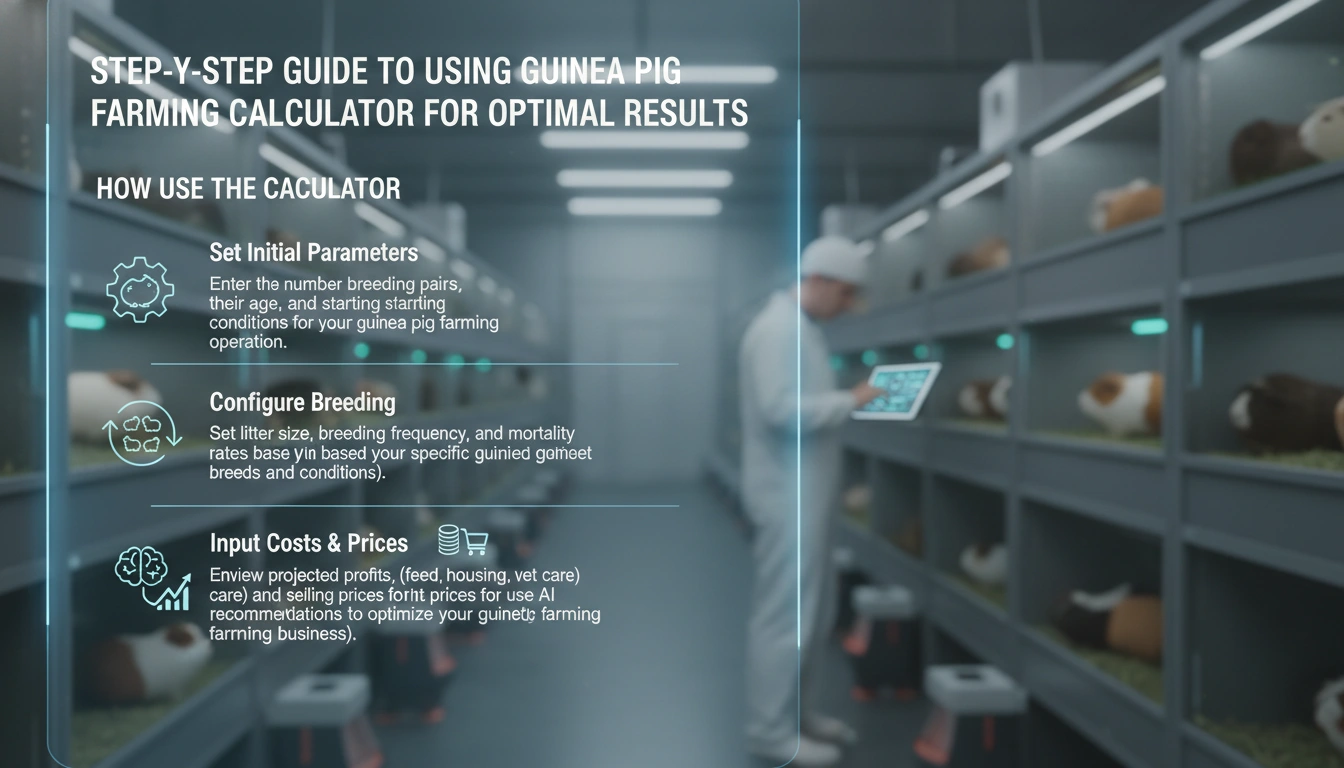
5. Record Keeping: Maintain detailed records of breeding dates, litter sizes, health issues, and expenses. Use our guinea pig farming calculator to track profitability and make data-driven decisions about your operation.
Related Concepts and Integration
Guinea pig farming often integrates with other agricultural practices. Many successful operations combine cavy farming with rabbit farming since both are small livestock with similar housing requirements. The manure from guinea pigs makes excellent fertilizer for vegetable gardens, creating a closed-loop system.
For those interested in value-added products, consider exploring meat preparation techniques if operating in markets where guinea pig meat is consumed. In educational settings, pairing guinea pig farming with a bee farming operation can create diverse learning opportunities about animal husbandry and sustainable agriculture.
According to the Food and Agriculture Organization of the United Nations, micro-livestock like guinea pigs play an important role in food security and sustainable agriculture in many regions. Their small size, efficient feed conversion, and minimal environmental impact make them an increasingly important component of diversified farming systems.
Key Takeaways for Aspiring Guinea Pig Farmers
- • Start small with 2-3 breeding pairs to learn husbandry before expanding
- • Focus on quality breeding stock rather than quantity
- • Develop multiple revenue streams (pets, breeding, educational)
- • Use our advanced guinea pig farming calculator to model different scenarios
- • Stay informed about local regulations and market demands
- • Prioritize animal welfare - healthy, happy animals are more productive
Guinea pig farming represents an accessible entry point into animal agriculture with significant potential for profitability. By combining traditional husbandry knowledge with modern tools like our advanced calculator and AI assistant, you can build a successful and sustainable cavy farming operation that meets market demands while ensuring excellent animal welfare standards.