
Complete Guide to Leather Production and Farming Calculation
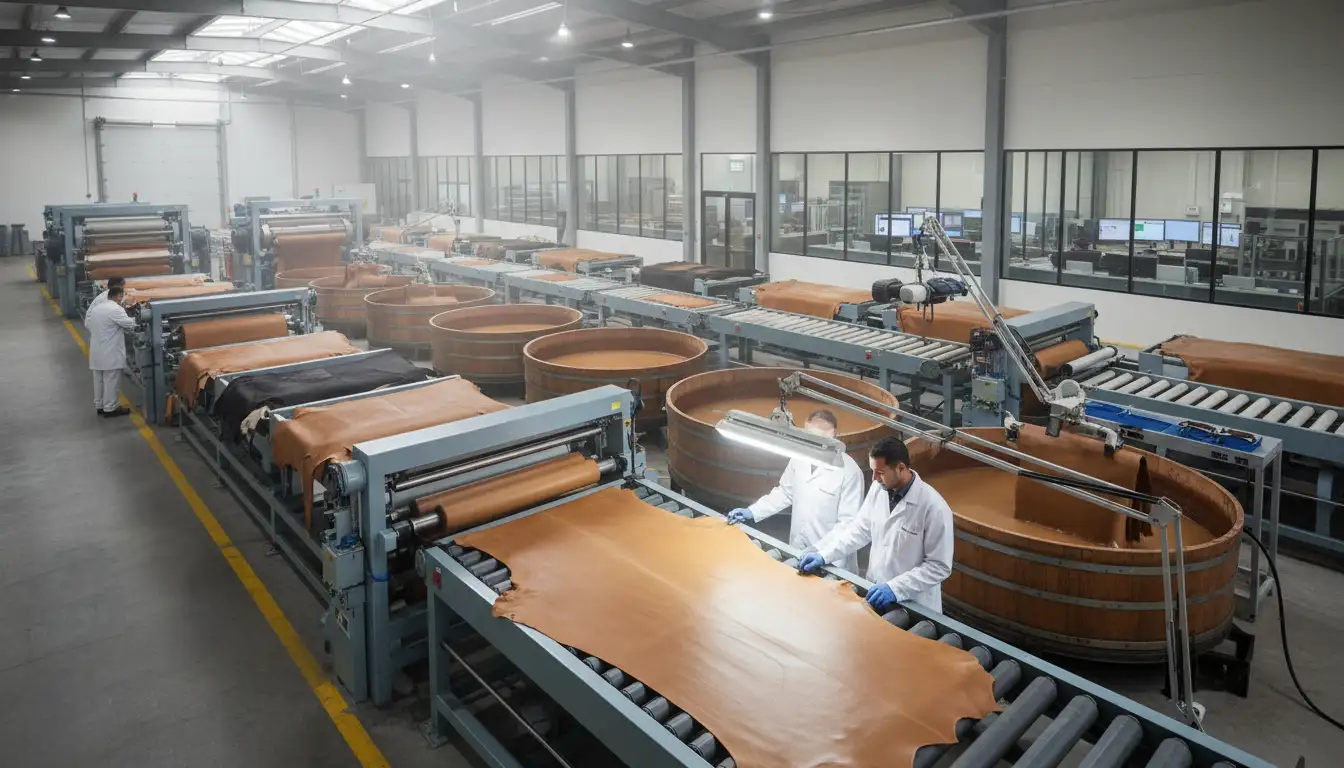
Leather production represents one of the oldest and most valuable industries in agriculture and manufacturing, transforming raw animal hides into durable, versatile materials used globally. Understanding the economics and processes behind leather tanning is essential for farmers, tanners, and manufacturers seeking profitability and sustainability.
What is Leather Production and Why It Matters
Leather tanning encompasses the entire journey from raw hide collection to finished leather goods. This process begins with proper animal husbandry, where factors like breed selection, nutrition, and handling significantly impact hide quality. The leather production industry contributes substantially to global economies, with the market projected to reach $629 billion by 2025 according to industry reports.
Effective leather tanning management requires precise calculation tools. Our wool tanning calculator demonstrates similar precision needed for animal-based products, though leather involves more complex processing stages. The value chain in leather tanning includes multiple stakeholders from farmers to luxury goods manufacturers.
Benefits and Use Cases of Leather Production Calculators
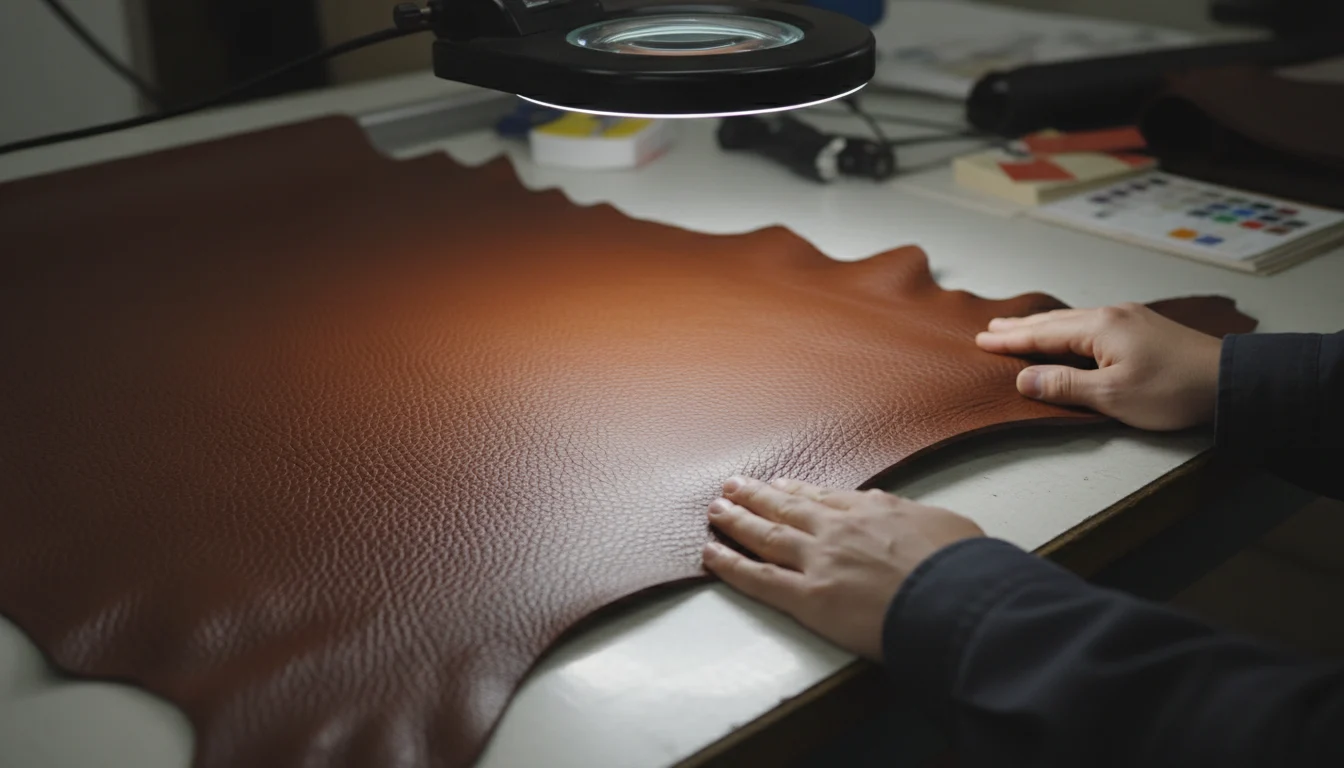
Modern leather tanning calculators provide numerous benefits for industry professionals. They enable accurate yield predictions, cost analysis, and profitability projections before committing resources. For farmers integrating multiple livestock operations, tools like our dairy farming calculator complement leather planning by optimizing overall farm profitability.
Key use cases include:
- Farm Management: Determining optimal slaughter age for maximum hide value
- Tannery Operations: Calculating chemical requirements and processing costs
- Export Planning: Analyzing international pricing and currency fluctuations
- Sustainability Analysis: Measuring environmental impact and resource efficiency
The Food and Agriculture Organization of the United Nations provides valuable data on global leather production trends and sustainable practices that inform our calculator algorithms.
Tips and Best Practices for Optimal Leather Production
Successful leather tanning requires attention to detail at every stage. Begin with proper animal care—healthy animals with minimal scratches or brand marks produce higher-grade hides. Timing is crucial; hides should be processed within hours of slaughter to prevent bacterial degradation that affects leather quality.
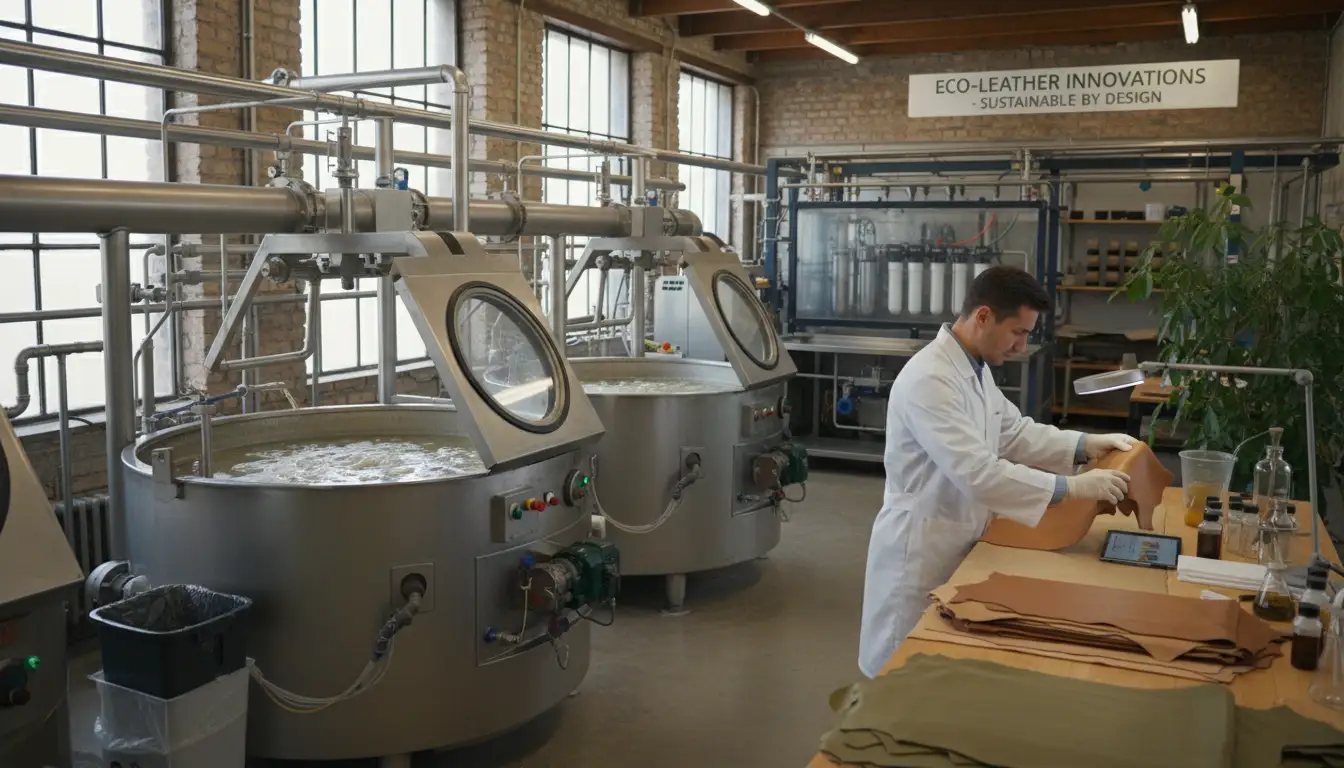
Processing parameters significantly impact outcomes. Vegetable tanning, while more expensive and time-consuming, produces premium leather favored by luxury brands. Chrome tanning offers efficiency but requires careful environmental management. Our calculator helps compare these methods based on your specific leather tanning goals and market demands.
For exotic leather production, specialized knowledge is required. Our reptile farming calculator addresses unique considerations like scale patterns, legal compliance, and niche market pricing that differ from conventional leather production.
Future Trends in Leather tanning Technology
The leather tanning industry is evolving with technological advancements. AI-driven quality assessment, blockchain traceability, and sustainable tanning methods are transforming traditional practices. Digital tools now enable real-time monitoring of hide conditions during transportation and predictive analytics for market demand.
As consumers increasingly value transparency and sustainability, leather tanning must adapt. Water recycling systems, biodegradable tanning agents, and carbon footprint tracking are becoming standard requirements. Our calculator incorporates these factors, helping producers balance profitability with environmental responsibility in their leather tanning operations.
Key Takeaway:
Effective leather tanning combines traditional craftsmanship with modern technology and precise calculation. Whether you're a small-scale farmer or industrial producer, accurate planning tools are essential for maximizing value while maintaining quality and sustainability in today's competitive market.