Lobster Farming Calculator - Free AI Assistant Tool

Lobster Farming Calculator

Farm Parameters

Tank/Pond Details

Total water volume in cubic meters

Stocking Details

Feed Parameters

Operational Costs

Market Parameters

Free AI Assistant Recommendations

Enter your parameters above to get AI-powered recommendations for optimizing your lobster farming operation.

Ask AI Assistant

Calculation Results

Key Metrics

Total Lobsters

--

Total Feed (kg)

--

Harvest Weight (kg)

--

Feed Cost

--

Financial Summary

Total Revenue --
Total Feed Cost --
Operational Costs --
Total Costs --
Net Profit --
ROI --
Profit per kg --

Recent Calculations

No calculations saved yet

How to Use the Lobster Farming Calculator

1

Enter Tank Details

Input your water volume and select your culture system type

2

Set Stocking Parameters

Define stocking density and lobster weight targets

3

Configure Feed

Select feed type and enter cost and conversion ratios

4

Add Costs

Include labor, energy, and other operational expenses

5

Analyze Results

Review profitability projections and AI recommendations

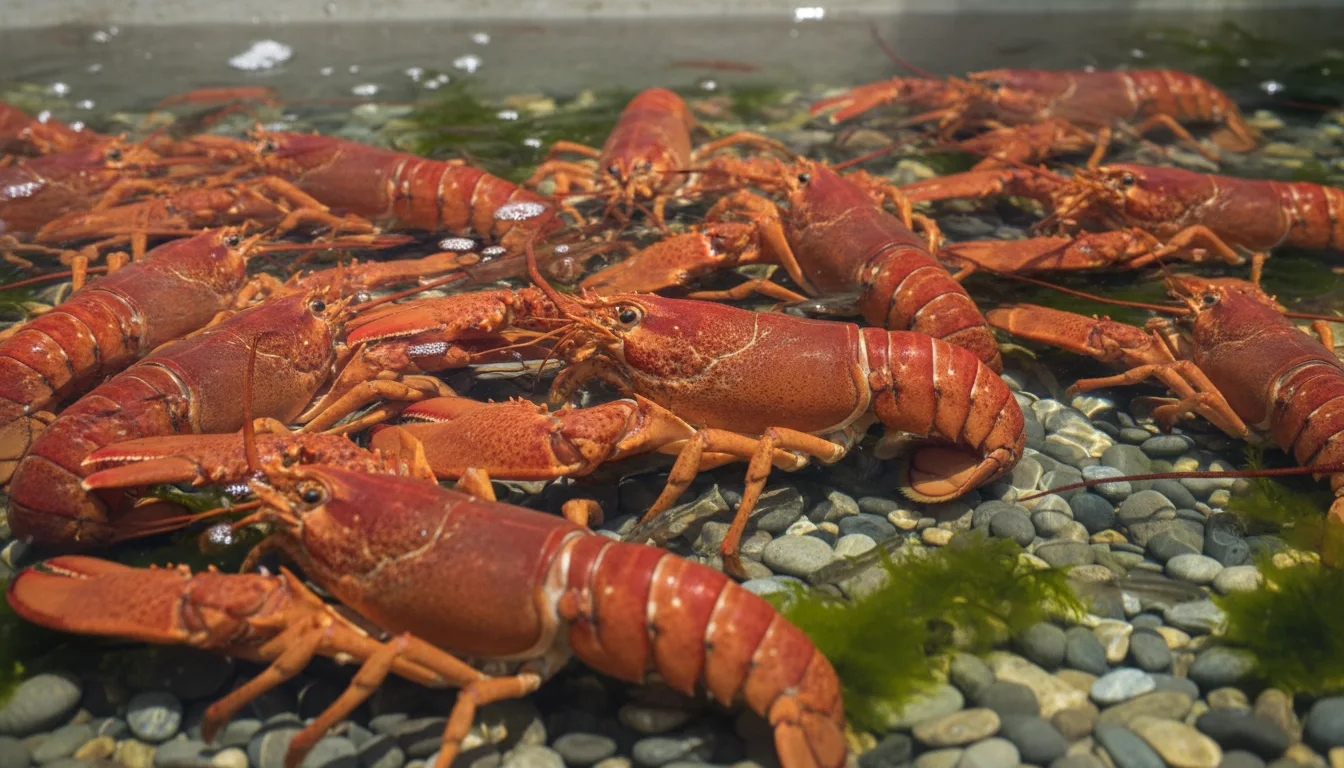
Lobster farming in aquaculture tanks showing water management system

Optimizing Your Lobster Farming Operation

Proper lobster farming requires careful planning and accurate calculations. Our calculator helps you determine optimal stocking densities, predict feed requirements, and project profitability based on current market conditions.

For commercial lobster farming operations, accurate calculations are essential for securing financing and ensuring long-term sustainability. The lobster farming industry has seen consistent growth, with increasing demand in both domestic and international markets.

Calculation Formulas

Core Formulas Used

Total Lobsters Calculation

Total Lobsters = Tank Area (m²) × Stocking Density (lobsters/m²)

Tank area is calculated from water volume assuming standard depth ratios.

Feed Requirement Formula

Total Feed (kg) = Total Lobsters × Average Weight Gain (kg) × FCR

FCR (Feed Conversion Ratio) typically ranges from 2.0 to 3.5 for lobsters.

Revenue Calculation

Total Revenue = Harvest Weight (kg) × Market Price ($/kg)

Harvest weight accounts for expected mortality rates during growth period.

Example Calculation

Sample Lobster Farming Scenario

Water Volume: 100 m³
Stocking Density: 15 lobsters/m²
Growth Period: 12 months
Market Price: $35/kg
Calculation Steps:
  1. Tank Area = 100 m³ ÷ 1.5m depth = 66.67 m²
  2. Total Lobsters = 66.67 × 15 = 1,000 lobsters
  3. Total Feed = 1,000 × 0.45kg × 2.5 = 1,125 kg
  4. Total Revenue = 450kg × $35 = $15,750
  5. Net Profit = $15,750 - $8,450 = $7,300
Expected ROI: 86.4%

Note: These calculations assume 10% mortality rate and include standard operational costs for lobster farming. Actual results may vary based on local conditions, management practices, and market fluctuations.

Frequently Asked Questions

How accurate is the lobster farming calculator?

Our lobster farming calculator uses industry-standard formulas and factors in multiple variables including feed conversion ratios, growth rates, and market prices. While it provides highly accurate estimates, actual results may vary based on local conditions and farming practices. For commercial lobster farming operations, we recommend consulting with aquaculture experts in your region.

Can I use this calculator for different lobster species?

Yes, the calculator is designed to work with various lobster species including Caribbean spiny lobster, Australian rock lobster, and American lobster. You can adjust parameters specific to each species for accurate calculations. Different lobster species have varying growth rates, feed requirements, and market values, all of which can be customized in our tool.

What factors affect lobster farming profitability?

Key factors include feed costs (which typically account for 40-60% of operational expenses), stocking density, water quality management, growth rates, market prices, and operational efficiency. Our calculator considers all these variables to provide comprehensive profitability analysis for your lobster farming venture.

How often should I update my calculations?

We recommend updating your calculations monthly or whenever there are significant changes in feed prices, lobster market values, or operational costs. Regular updates ensure your business planning remains accurate. The lobster farming industry experiences seasonal price fluctuations that can significantly impact profitability.

Is this calculator suitable for commercial lobster farming operations?

Absolutely. Our lobster farming calculator is designed for both small-scale and commercial operations. It scales to handle large production volumes and includes advanced features for commercial profitability analysis, making it an essential tool for anyone involved in lobster farming business planning.

Comprehensive Guide to Lobster Farming
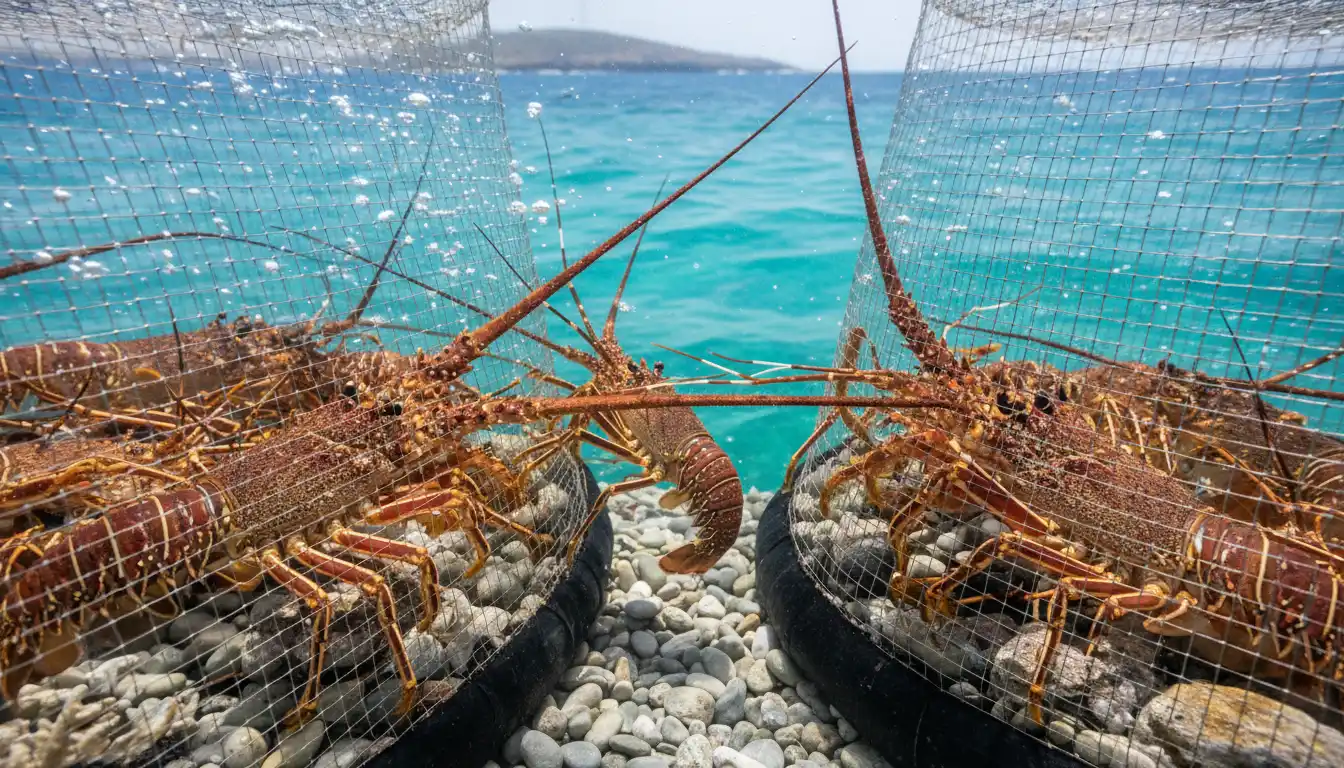
Commercial lobster farming operation showing tanks and aquaculture infrastructure

Lobster farming, also known as astaciculture, has emerged as a significant sector in global aquaculture. With wild lobster stocks under pressure from overfishing and environmental changes, lobster farming provides a sustainable alternative that meets growing market demand while reducing pressure on natural populations.

The practice of lobster farming involves cultivating lobsters in controlled environments, typically in land-based tanks or sea cages. Successful lobster aquafarming requires understanding biological requirements, economic factors, and market dynamics. This comprehensive guide explores the essential aspects of lobster mariculture and how our calculator can optimize your operation.

Why Lobster Farming Matters

The global lobster market was valued at over $5.5 billion in 2023, with consistent annual growth of 4-6%. Lobster mariculture addresses several critical challenges facing the industry:

  • Sustainability: Reduces pressure on wild lobster populations
  • Consistency: Provides year-round supply regardless of fishing seasons
  • Quality Control: Ensconsistent product quality and size
  • Economic Development: Creates employment in coastal communities
  • Food Security: Contributes to protein supply in growing markets

Modern lobster mariculture techniques have evolved significantly, with recirculating aquaculture systems (RAS) offering particularly promising results for land-based operations. These systems allow for precise control of water quality parameters essential for lobster health and growth.
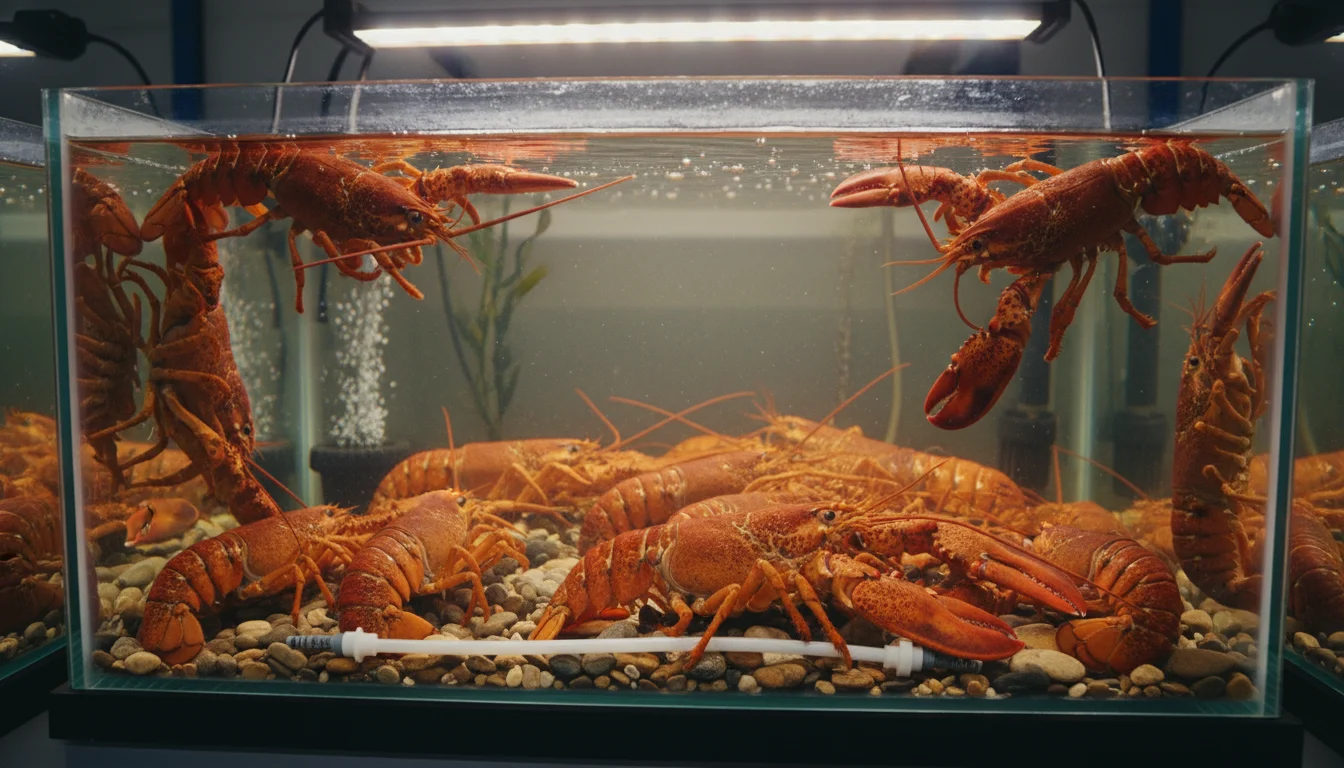
Close-up of lobsters in aquaculture tank showing healthy specimens

Key Benefits of Lobster Farming

Economic Advantages

Commercial lobster mariculture offers attractive profit margins, typically ranging from 25-40% for well-managed operations. High market prices, especially for live lobsters, contribute to strong revenue potential. Our calculator helps identify the most profitable approaches to lobster mariculture based on your specific circumstances.

Environmental Benefits

Sustainable lobster mariculture practices minimize environmental impact through controlled feeding, waste management, and water recycling. Compared to traditional fishing, farmed lobsters have a lower carbon footprint per kilogram of protein produced, making lobster aquafarming an environmentally responsible choice.

According to the Food and Agriculture Organization of the United Nations, aquaculture now accounts for over 50% of global seafood production, with crustacean farming including lobster aquafarming showing particularly strong growth trends in tropical and subtropical regions.

Best Practices for Successful Lobster mariculture

Critical Success Factors

  1. Water Quality Management: Maintain optimal temperature (20-28°C), salinity (25-35 ppt), and oxygen levels (>5 mg/L)
  2. Stocking Density Optimization: Balance productivity with animal welfare - typically 10-20 lobsters/m² depending on system
  3. Nutrition Management: Provide balanced feed with proper protein levels (35-45%) and essential nutrients
  4. Health Monitoring: Implement biosecurity measures and regular health checks to prevent disease outbreaks
  5. Market Timing: Plan harvests to coincide with peak market prices, typically during holiday seasons

Successful lobster aquafarming operations often start with pilot projects to refine techniques before scaling up. Many governments offer support programs for aquaculture development, including lobster aquafarming initiatives. For example, in Maine (USA), aquaculture leases for lobster mariculture have increased by 40% over the past five years, reflecting growing industry confidence.

Future Trends in Lobster Farming

Modern lobster farming technology showing automated feeding systems

The future of lobster mariculture is increasingly technology-driven. Innovations include automated feeding systems, AI-powered health monitoring, and genetic improvement programs. These advancements are making lobster mariculture more efficient and sustainable.

Vertical integration in the lobster mariculture supply chain is another growing trend, with operations controlling everything from hatchery production to processing and marketing. This approach maximizes profitability in lobster mariculture by capturing value at multiple stages.

As consumer awareness of sustainable seafood grows, certification programs for responsibly farmed lobsters are becoming increasingly important. Operations that adopt best practices in lobster mariculture can access premium markets and command higher prices for their products.

Getting Started with Lobster Farming

Whether you're considering a small-scale operation or commercial venture, thorough planning is essential for success in lobster mariculture. Our calculator provides the financial clarity needed to make informed decisions about your lobster mariculture investment.

Remember that successful lobster mariculture requires not just financial resources but also technical knowledge, market understanding, and regulatory compliance. Many regions offer training programs specifically for lobster mariculture entrepreneurs to develop these essential skills.

`); printWindow.document.close(); printWindow.focus(); // Wait for content to load before printing setTimeout(() => { printWindow.print(); printWindow.close(); }, 250); }// Reset to defaults function resetToDefaults() { if (confirm('Reset all inputs to default values?')) { tankVolume.value = defaultParams.tankVolume; stockingDensity.value = defaultParams.stockingDensity; initialWeight.value = defaultParams.initialWeight; targetWeight.value = defaultParams.targetWeight; fcr.value = defaultParams.fcr; feedCost.value = defaultParams.feedCost; laborCost.value = defaultParams.laborCost; energyCost.value = defaultParams.energyCost; otherCosts.value = defaultParams.otherCosts; marketPrice.value = defaultParams.marketPrice; growthPeriod.value = defaultParams.growthPeriod; currency.value = defaultParams.currency; tankType.value = defaultParams.tankType; feedType.value = defaultParams.feedType; performCalculation(); showNotification('Reset to default values'); } }// Toggle theme function toggleTheme() { const html = document.documentElement; if (html.classList.contains('dark')) { html.classList.remove('dark'); themeToggle.innerHTML = ` `; localStorage.setItem('theme', 'light'); } else { html.classList.add('dark'); themeToggle.innerHTML = ` `; localStorage.setItem('theme', 'dark'); } }// Show notification function showNotification(message) { // Create notification element const notification = document.createElement('div'); notification.className = 'fixed bottom-4 left-1/2 transform -translate-x-1/2 bg-gray-800 text-white px-6 py-3 rounded-lg shadow-lg z-50 animate-fade-in-up'; notification.textContent = message; // Add to document document.body.appendChild(notification); // Remove after 3 seconds setTimeout(() => { notification.classList.add('opacity-0', 'transition-opacity', 'duration-300'); setTimeout(() => notification.remove(), 300); }, 3000); }// Initialize when DOM is loaded document.addEventListener('DOMContentLoaded', initCalculator);// Add CSS for animations const style = document.createElement('style'); style.textContent = ` @keyframes fadeInUp { from { opacity: 0; transform: translate(-50%, 20px); } to { opacity: 1; transform: translate(-50%, 0); } } .animate-fade-in-up { animation: fadeInUp 0.3s ease-out; } .dark body { background-color: #1f2937; color: #f9fafb; } .dark .bg-white { background-color: #374151; } .dark .text-gray-800 { color: #f9fafb; } .dark .text-gray-600 { color: #d1d5db; } .dark .text-gray-700 { color: #e5e7eb; } .dark .border-gray-200 { border-color: #4b5563; } .dark .bg-gray-50 { background-color: #4b5563; } `; document.head.appendChild(style);// Check for saved theme if (localStorage.getItem('theme') === 'dark') { document.documentElement.classList.add('dark'); }
Scroll to Top