
Mealworm Farming: Sustainable Protein Production
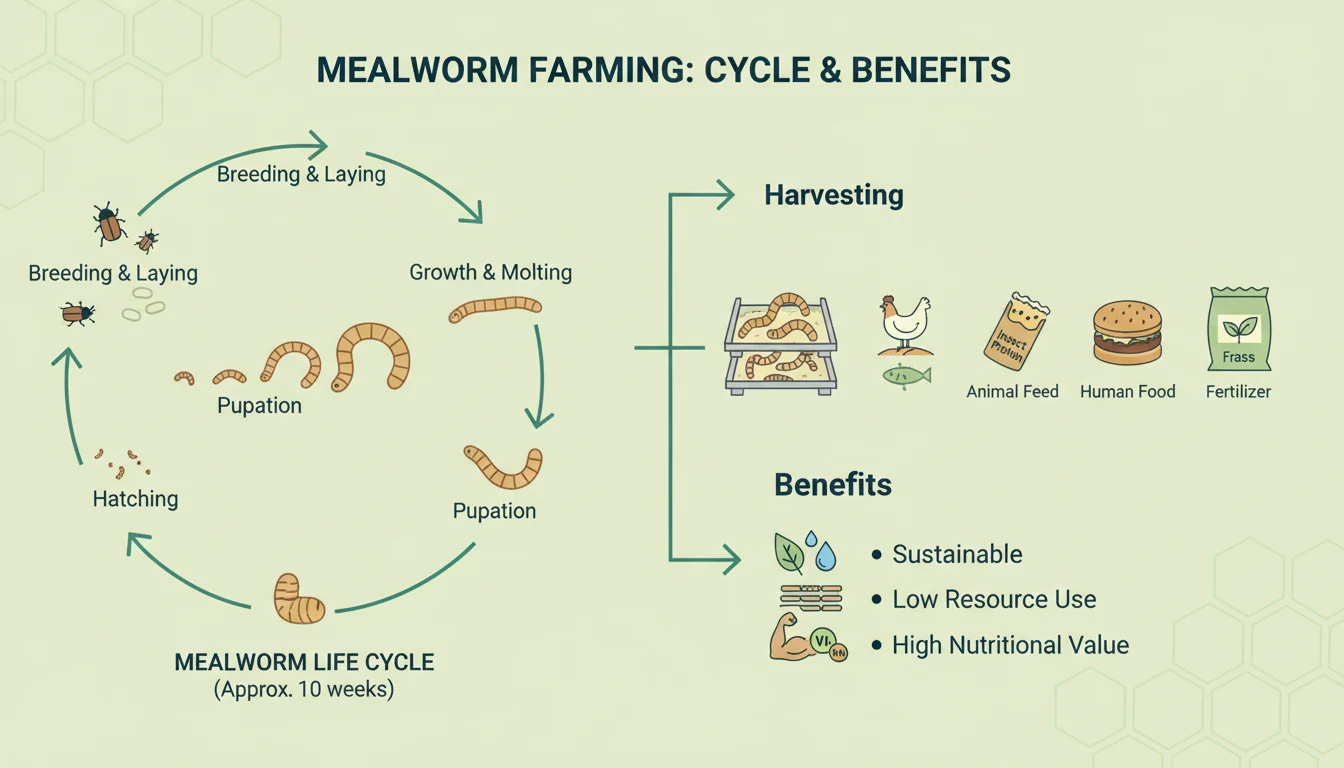
Mealworm farming represents a revolutionary approach to sustainable protein production, offering an eco-friendly alternative to traditional livestock. As global demand for protein continues to rise, insect farming emerges as a viable solution with significantly lower environmental impact.
Why Mealworm Farming Matters
Traditional livestock farming accounts for approximately 14.5% of global greenhouse gas emissions, while mealworm farming produces up to 100 times less greenhouse gases per kilogram of protein. This innovative agricultural practice requires substantially less land and water compared to conventional animal farming.
Benefits and Use Cases
Mealworm farming offers multiple advantages beyond environmental sustainability. Mealworms can convert organic waste into valuable protein, creating circular economy opportunities. Their nutritional profile includes 50-60% protein, healthy fats, vitamins, and minerals.
Animal Feed
Mealworms serve as high-protein feed for poultry, fish, and pets, reducing reliance on soy and fishmeal. This application represents the largest market for mealworm farming products.
Human Consumption
As edible insects gain acceptance, mealworms are processed into protein powder, snacks, and ingredients for sustainable food products, offering complete protein with all essential amino acids.
Best Practices for Successful Mealworm Farming
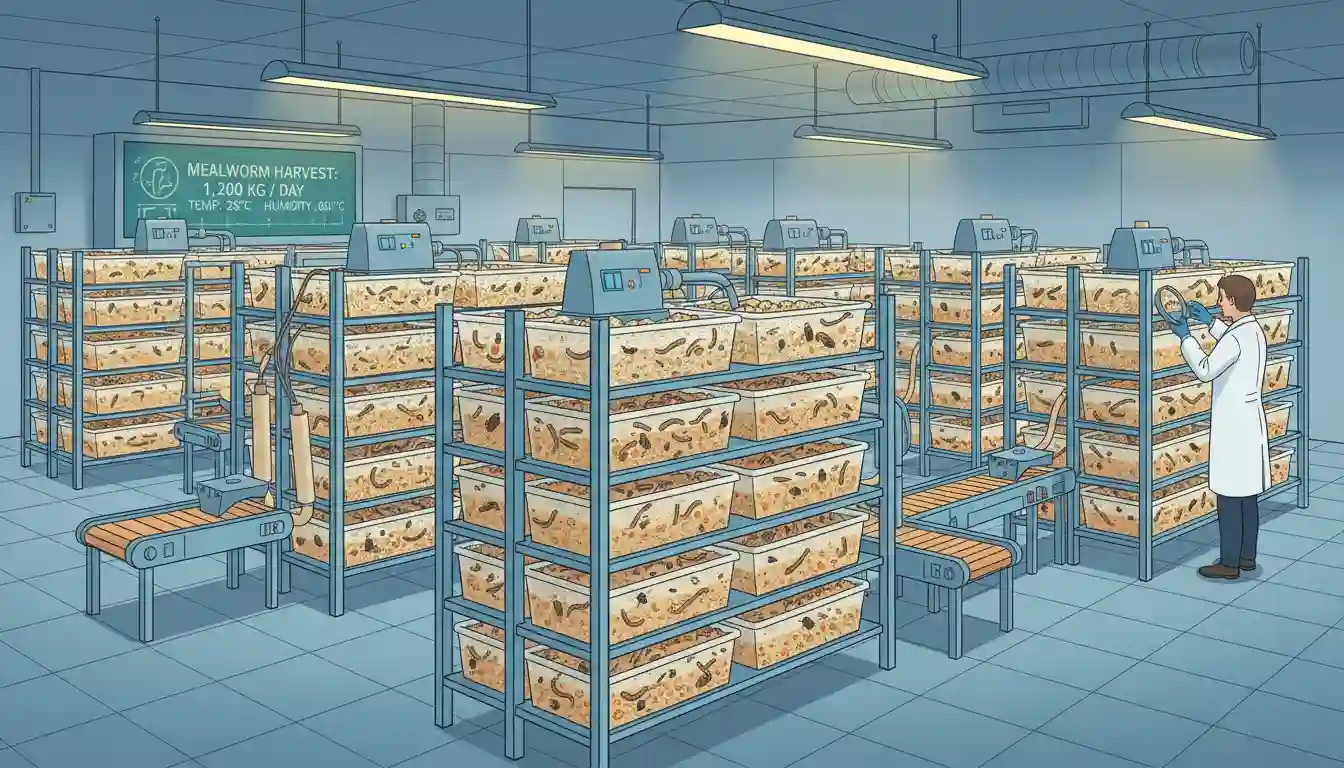
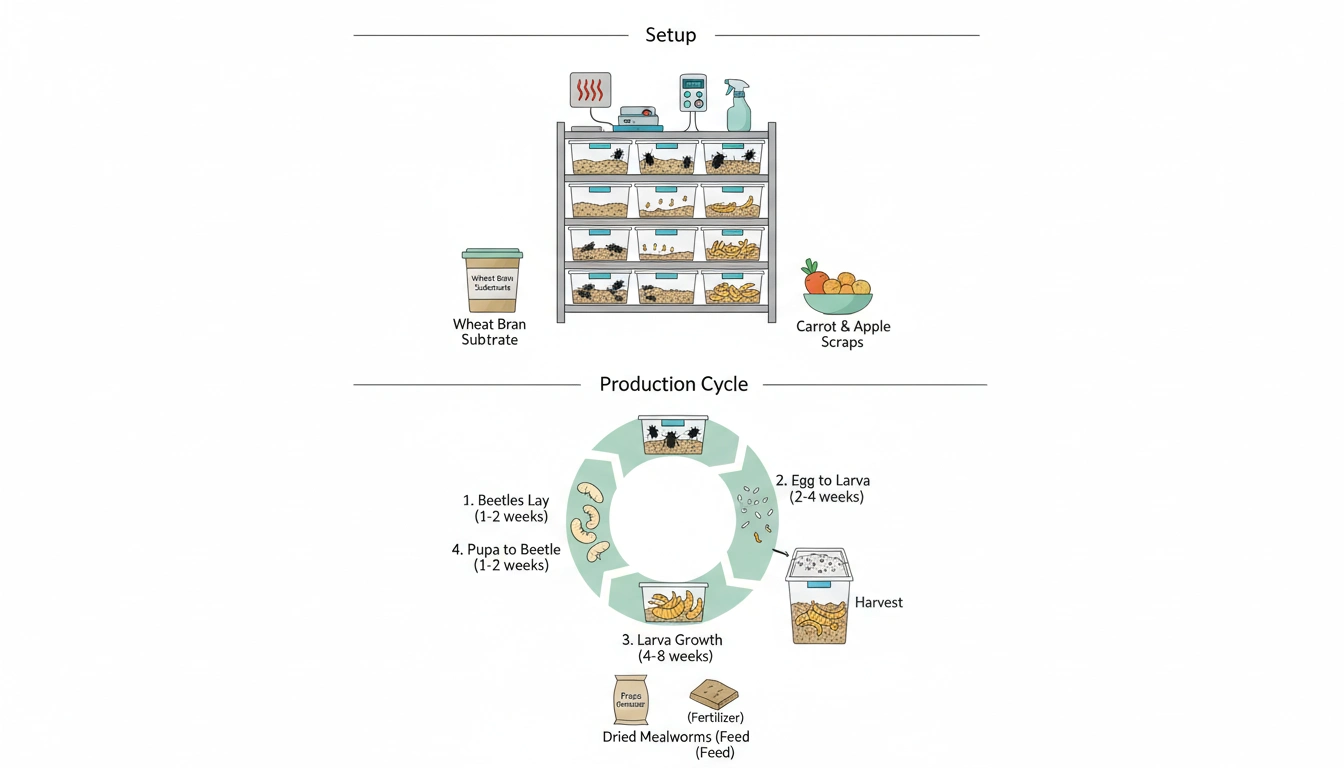
Successful mealworm farming requires attention to several key factors. Maintaining optimal temperature (25-30°C) and humidity (60-70%) ensures maximum growth rates and reproduction. Proper substrate management using wheat bran or oats provides both nutrition and habitat.
Regular harvesting at the larval stage before pupation maintains production consistency. Implementing a multi-container system allows for continuous production cycles. For those interested in related insect farming, our cricket farming calculator provides similar analytical tools for different insect species.
Related Concepts and Future Outlook
The growth of mealworm farming is part of a broader movement toward sustainable agriculture. Vertical farming integration allows for space-efficient production in urban environments. Circular economy models connect mealworm farms with food waste producers, creating symbiotic relationships.
Technological advancements in automation and monitoring are making mealworm farming more accessible to small-scale producers. For those exploring other sustainable protein sources, our silkworm farming calculator offers insights into sericulture opportunities.
Regulatory frameworks are evolving to support insect farming, with organizations like the Food and Agriculture Organization of the United Nations providing guidelines and research on edible insects. This external resource offers authoritative information on the global potential of insect farming.
Investment in mealworm farming technology continues to grow, with innovations in feed optimization, disease prevention, and processing methods. The integration of AI and IoT devices enables precision insect farming with real-time monitoring and adjustment.
As the world seeks sustainable protein solutions, mealworm farming stands at the forefront of agricultural innovation. With proper planning using tools like our calculator, and consideration of complementary practices like bee farming, producers can contribute to food security while building profitable enterprises.