
Comprehensive Guide to Oyster Farming: Techniques and Profitability
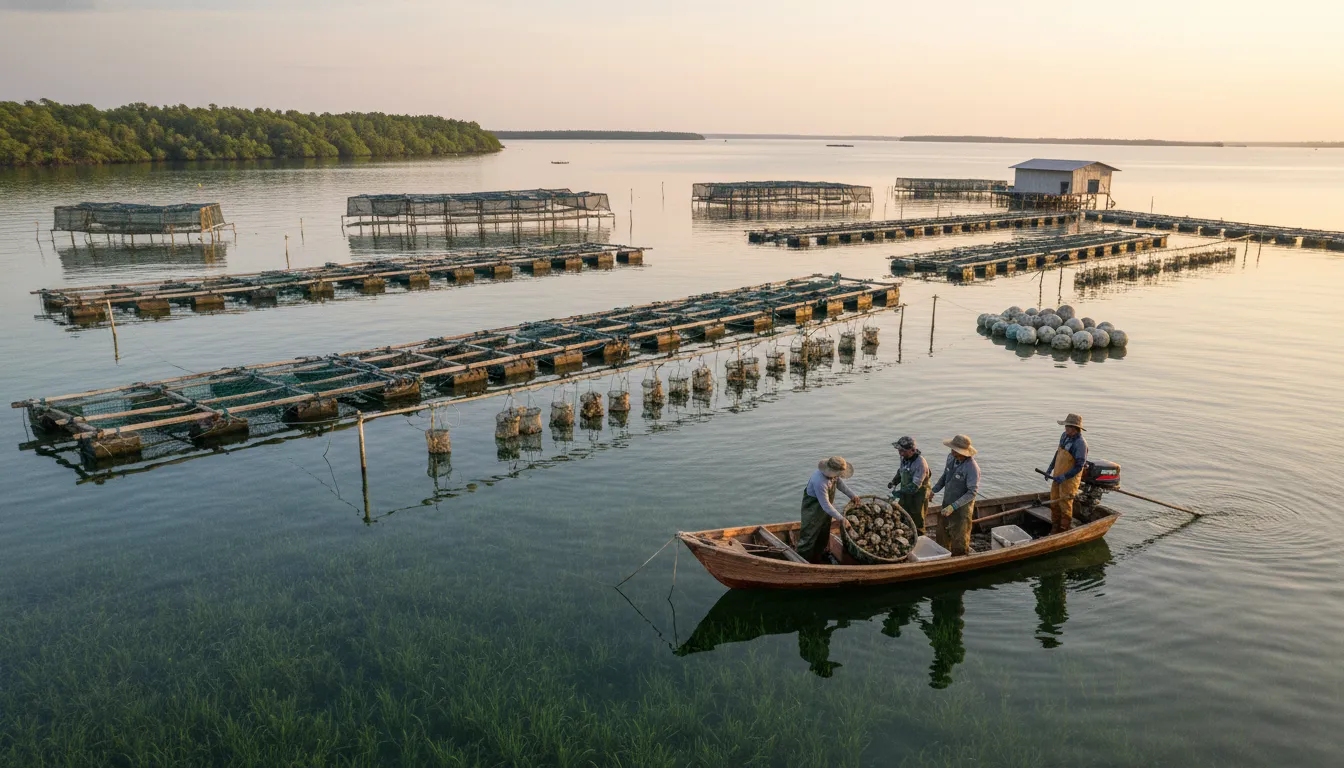
Oyster mariculture represents one of the most sustainable and profitable forms of aquaculture, combining environmental benefits with economic opportunity. This comprehensive guide explores the intricacies of successful oyster mariculture operations.
What is Oyster Farming and Why It Matters
Oyster farming, also known as oyster aquaculture, involves cultivating oysters for human consumption. Unlike wild harvesting, oyster mariculture allows for controlled production, consistent quality, and year-round availability. The practice of oyster mariculture dates back centuries but has seen significant technological advancements in recent decades.
The importance of oyster mariculture extends beyond food production. Oysters are natural water filters, with each oyster capable of cleaning up to 50 gallons of water per day. This makes oyster farming an environmentally beneficial activity that contributes to water quality improvement. Furthermore, oyster mariculture creates employment opportunities in coastal communities and supports local economies.
Key Benefits of Oyster Farming:
- Sustainable Food Production: Oyster mariculture requires no feed inputs, as oysters filter nutrients directly from the water
- Environmental Restoration: Oyster reefs provide habitat for marine species and protect coastlines
- Economic Viability: High market demand with relatively low production costs in oyster mariculture
- Climate Resilience: Oysters are relatively resilient to climate variations compared to other aquaculture species
Modern Oyster Farming Techniques
Successful oyster mariculture employs various techniques tailored to environmental conditions and market requirements. The most common methods include:
Bottom Culture: Traditional oyster mariculture method where oysters grow directly on the seabed. This approach requires minimal infrastructure but faces higher predation risks. Bottom culture oyster mariculture works best in areas with firm substrates and moderate currents.
Rack and Bag Systems: In this oyster farming method, oysters are placed in mesh bags suspended above the seabed on racks. This protects young oysters from predators while allowing optimal water flow. Rack and bag systems are particularly effective for intertidal oyster mariculture operations.
Longline Systems: Advanced oyster mariculture technique using suspended lines in deeper waters. Oysters are attached to ropes or in containers, hanging below floating buoys. This method allows for high-density oyster aquafarming in offshore locations with excellent water quality.
Floating Bag Culture: Similar to longline systems but using floating bags that remain at the surface. This oyster mariculture approach maximizes growth rates by keeping oysters in nutrient-rich surface waters throughout their development cycle.
Profitability and Market Considerations
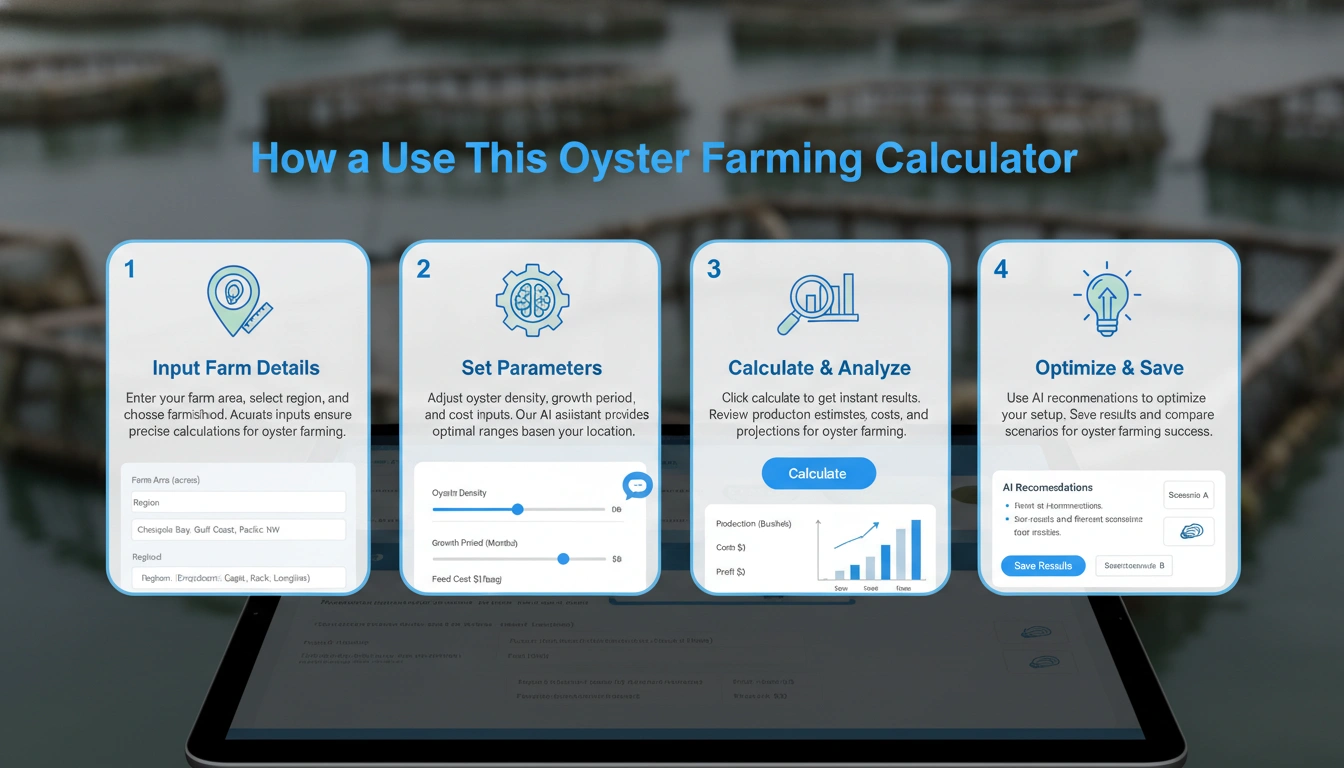
The profitability of oyster farming depends on several factors including scale, location, and marketing strategy. Our oyster mariculture calculator helps prospective farmers estimate potential returns based on specific inputs.
Market Analysis: The global oyster market continues to grow, driven by increasing consumer awareness of sustainable seafood. Premium oyster varieties can command prices of $1-$3 each at wholesale, with restaurant markups reaching $4-$6 per oyster. Value-added products like smoked oysters or oyster sauces can further enhance profitability in oyster aquafarming operations.
Cost Management: Major expenses in oyster mariculture include seed procurement, labor, equipment maintenance, and licensing. Successful oyster farmers optimize costs through efficient operations and scale economies. Using tools like our shrimp farming calculator for comparative analysis can provide additional insights into aquaculture economics.
Risk Mitigation: Like all aquaculture, oyster farming faces risks including disease outbreaks, extreme weather events, and market fluctuations. Diversification, insurance, and proper site selection help mitigate these risks in oyster mariculture enterprises.
Best Practices for Successful Oyster mariculture
Implementing best practices ensures sustainable and profitable oyster mariculture operations:
- Site Selection: Choose locations with good water quality, appropriate salinity (15-30 ppt), and protection from storms. Regular water testing is essential for successful oyster mariculture.
- Stock Management: Maintain optimal density (30-50 oysters per square meter) to prevent overcrowding and ensure adequate growth rates in oyster mariculture.
- Health Monitoring: Regularly inspect oysters for signs of disease or stress. Early detection prevents larger outbreaks in oyster mariculture operations.
- Harvest Timing: Time harvests to maximize meat quality and market prices. Most oyster farming operations harvest during cooler months for optimal product quality.
- Record Keeping: Maintain detailed records of growth rates, mortality, costs, and yields. This data informs better decision-making in oyster aquafarming.
Environmental Benefits of Oyster mariculture:
Beyond economic returns, oyster aquafarming provides significant environmental benefits. According to FAO aquaculture studies, sustainable oyster farming contributes to:
- Water filtration and quality improvement
- Habitat creation for other marine species
- Coastal protection through reef formation
- Carbon sequestration in marine ecosystems
Future Trends in Oyster mariculture
The future of oyster mariculture looks promising with several emerging trends:
Technology Integration: Modern oyster mariculture increasingly incorporates technology including remote sensing, automated grading systems, and data analytics. These innovations improve efficiency and productivity in oyster aquafarming operations.
Genetic Improvement: Selective breeding programs develop oyster strains with faster growth, disease resistance, and improved flavor profiles. These advancements enhance the competitiveness of oyster mariculture.
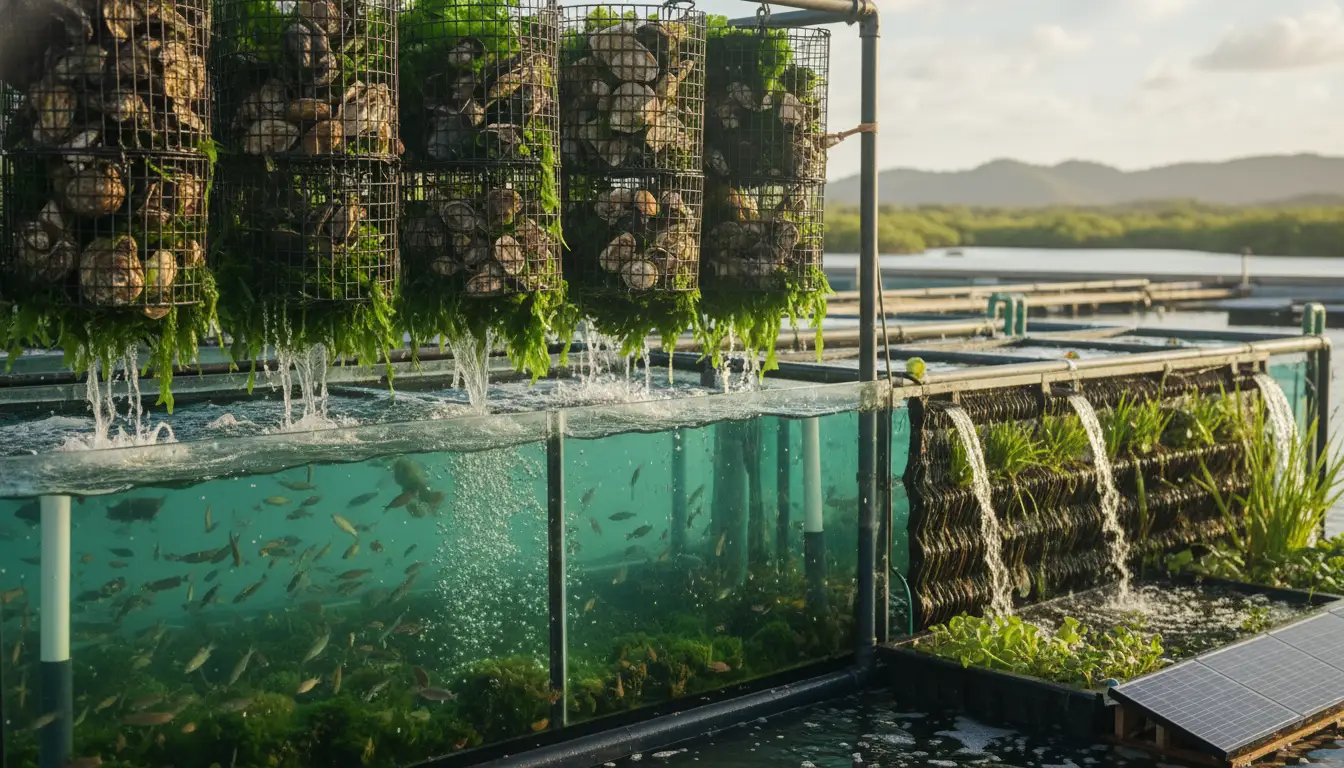
Integrated Multi-Trophic Aquaculture (IMTA): Combining oyster aquafarming with other species like seaweed or fish creates synergistic systems that improve overall sustainability and profitability.
Direct-to-Consumer Marketing: Many oyster mariculture operations now bypass traditional distributors, selling directly to restaurants or consumers through online platforms and farmers markets.
For those interested in related aquaculture opportunities, our crab farming calculator and lobster farming calculator provide similar analytical tools for different aquaculture ventures.
Conclusion
Oyster mariculture represents a sustainable and potentially profitable venture for coastal communities worldwide. By combining traditional knowledge with modern technology, oyster farmers can contribute to food security while enhancing marine ecosystems. Whether starting small or scaling existing operations, careful planning and continuous learning are key to success in oyster aquafarming. Use our free oyster farming calculator to begin your journey toward sustainable aquaculture entrepreneurship.