
Complete Guide to Quail Farming: Profitability, Care, and Business Planning
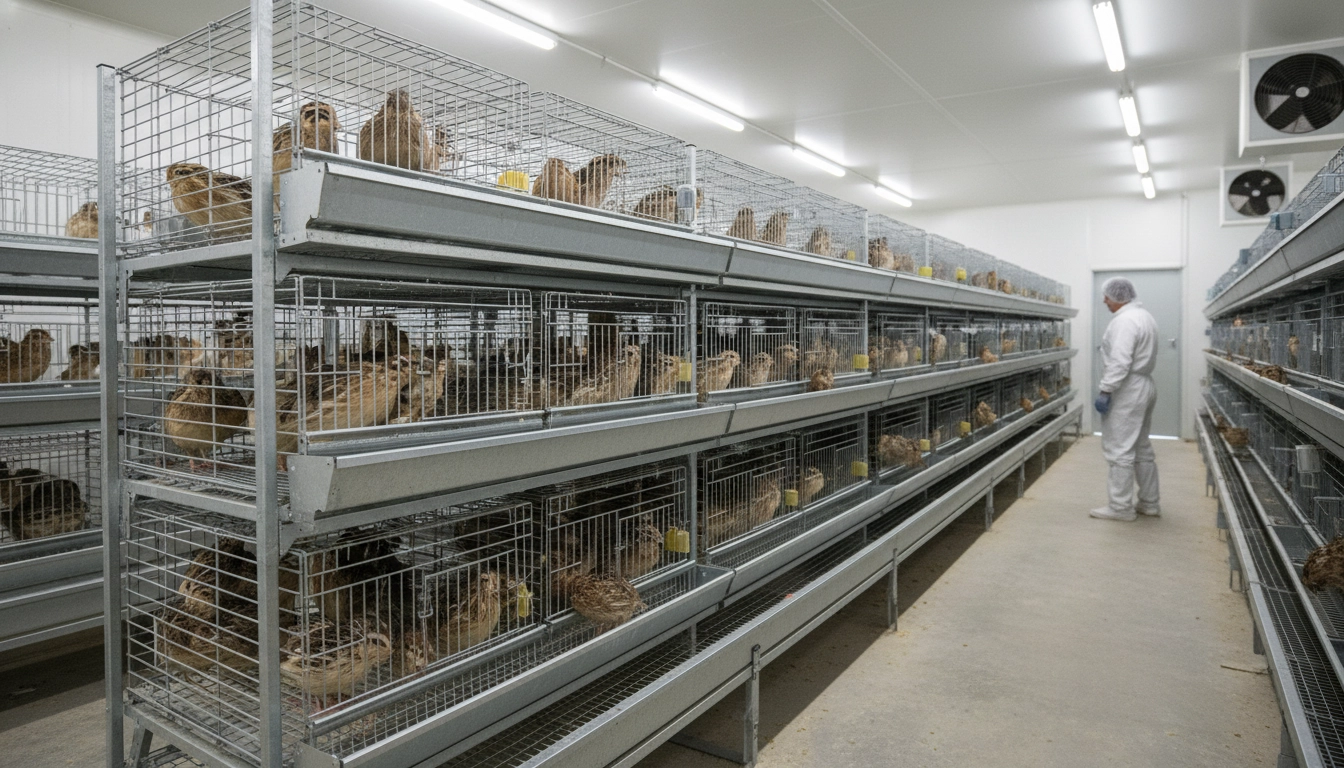
Modern quail operation showing efficient housing and management systems
What is Quail Farming and Why It Matters
Quail farming, also known as coturniculture, is the practice of raising domestic quails for eggs, meat, or both. This specialized form of poultry farming has gained significant popularity in recent years due to its low startup costs, high-profit potential, and growing market demand. This practice represents a sustainable agricultural activity that can be implemented in both rural and urban settings with proper planning and management.
The global quail industry has seen remarkable growth, particularly in regions where quail eggs and meat are considered delicacies. In many cultures, quail operations provide not only economic benefits but also nutritional advantages. Successful ventures require understanding breeding cycles, nutrition requirements, housing needs, and market dynamics. With proper management, a well-planned quail enterprise can yield substantial returns on investment.
Benefits and Use Cases
Quail farming offers numerous advantages over traditional poultry operations. Quails have a rapid growth rate, reaching maturity in just 6-8 weeks, which makes this practice particularly attractive for entrepreneurs looking for quick returns. Additionally, quails require relatively small space compared to chickens, making it feasible for small-scale farmers and urban agriculturalists.
The primary use cases include egg production, meat production, breeding stock, and ornamental purposes. Quail egg production is particularly profitable, with hens laying 250-300 eggs annually. Quail meat is lean, nutritious, and commands premium prices in specialty markets. Each aspect requires specific knowledge and management practices for optimal results.
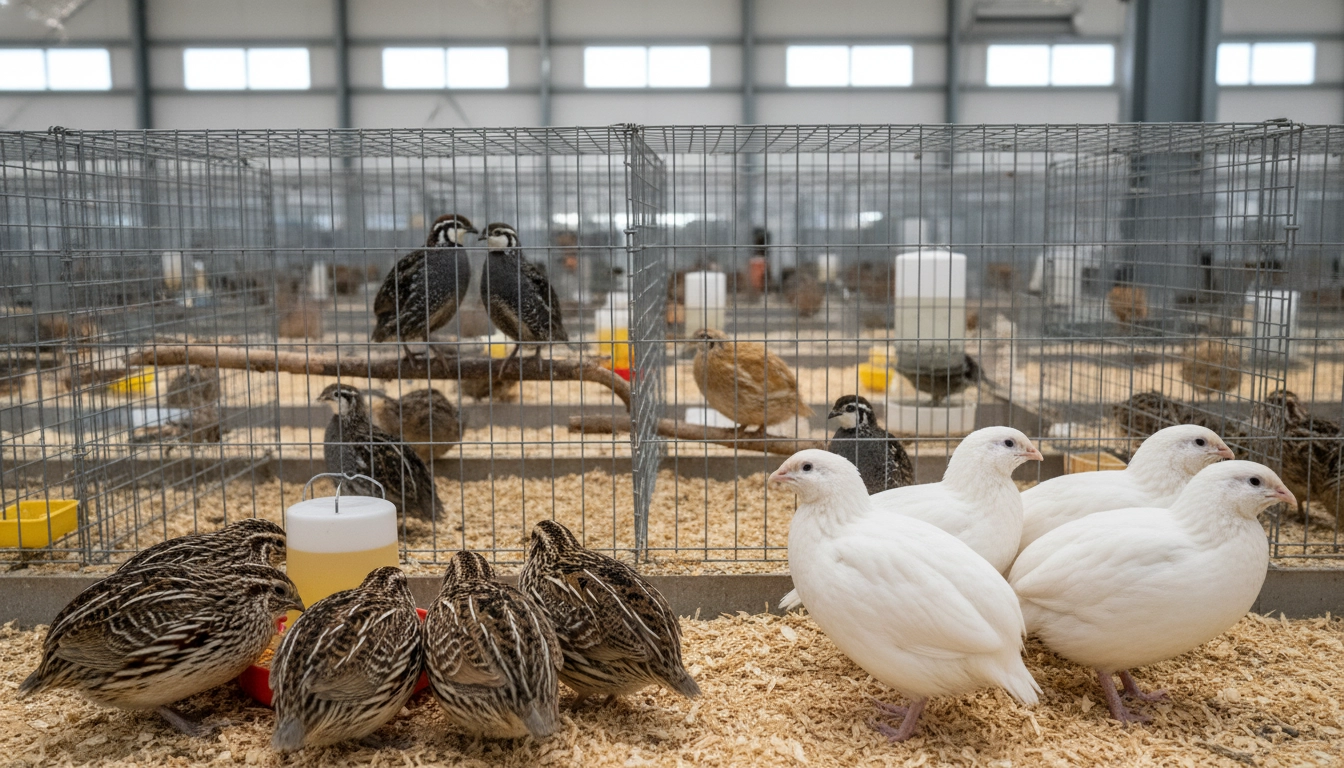
Various quail breeds suitable for different types of operations
Tips and Best Practices for Success
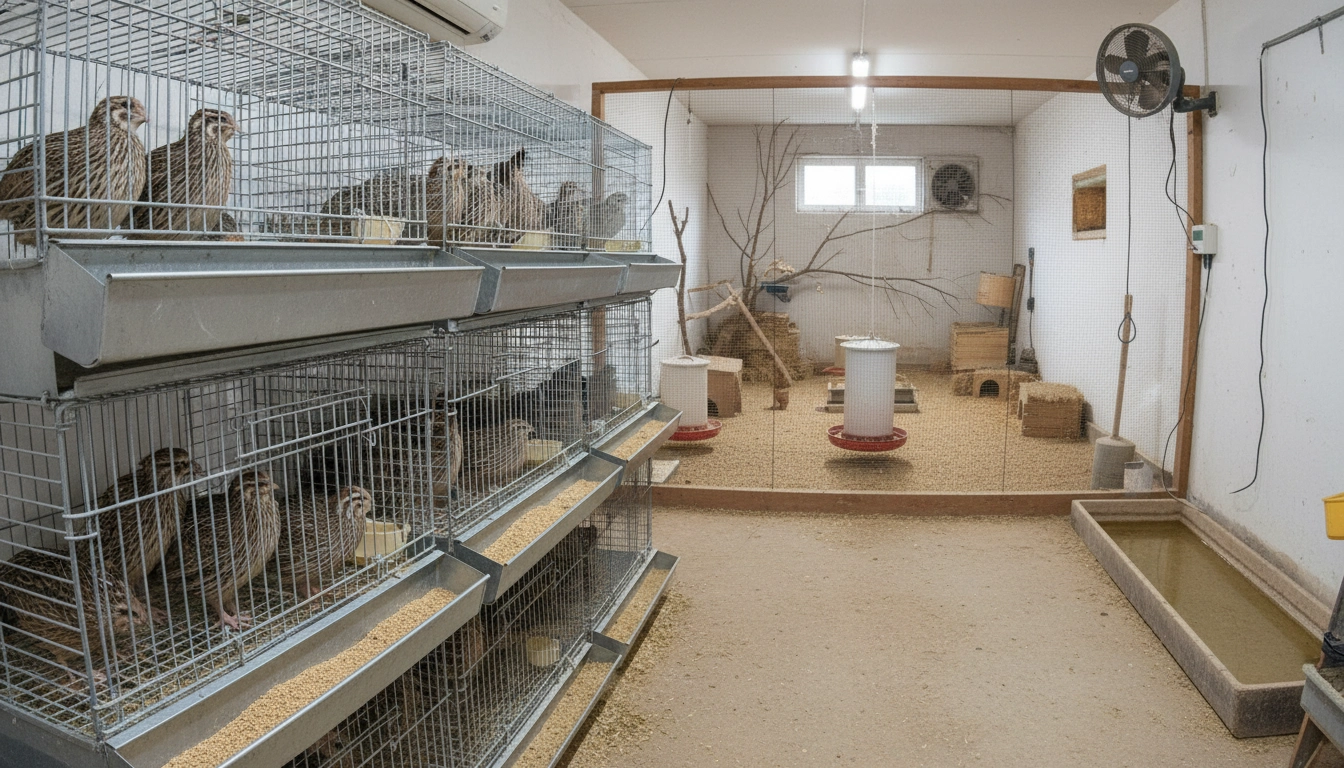
Successful quail farming begins with proper planning and infrastructure development. The foundation of any profitable operation is appropriate housing. Quail cages or housing should provide adequate ventilation, protection from predators, and easy access for cleaning and management. Different types require specific housing designs - egg production facilities differ significantly from meat production setups.
Nutrition is another critical factor. A balanced diet specifically formulated for quails should include proteins, carbohydrates, vitamins, and minerals. The nutritional requirements vary depending on the type - laying hens have different needs than meat birds. Regular health monitoring and preventive veterinary care are essential components of sustainable operations.
Economic Considerations and Market Analysis
Before starting a quail operation, thorough market research is essential. The demand for quail products varies by region, with certain areas showing strong preference for quail eggs while others focus on quail meat. Market prices fluctuate based on season, quality, and regional preferences. A comprehensive business plan should include detailed cost analysis, revenue projections, and marketing strategies.
Financial planning tools like our calculator help prospective farmers estimate startup costs, operational expenses, and potential profitability. Typical startup costs for a small-scale operation range from $1,000 to $5,000 depending on scale and infrastructure. Operational costs primarily include feed, veterinary care, utilities, and labor. Revenue streams can be diversified through multiple channels including egg sales, meat sales, breeding stock sales, and fertilizer byproducts.
Expert Insight:
"Modern quail farming has evolved significantly with technological advancements in housing, nutrition, and disease management. The key to success lies in meticulous planning, continuous learning, and adapting to market demands. Tools like the quail calculator provide valuable insights that can mean the difference between profit and loss in this specialized agricultural sector."
Related Concepts and Industry Integration
Quail farming intersects with several related agricultural concepts and industries. Integrated farming systems that combine quail operations with other agricultural activities can enhance overall farm profitability. For example, quail manure is a valuable fertilizer that can be utilized in crop production or sold as an additional revenue stream. Some innovative operations integrate with aquaculture, using quail droppings to fertilize fish ponds in a closed-loop system.
The quail industry also connects with feed manufacturing, veterinary services, equipment suppliers, and marketing channels. Successful entrepreneurs often develop relationships with restaurants, specialty markets, and health food stores. Understanding these interconnected systems is crucial for building a resilient business that can adapt to market changes.
Future Trends
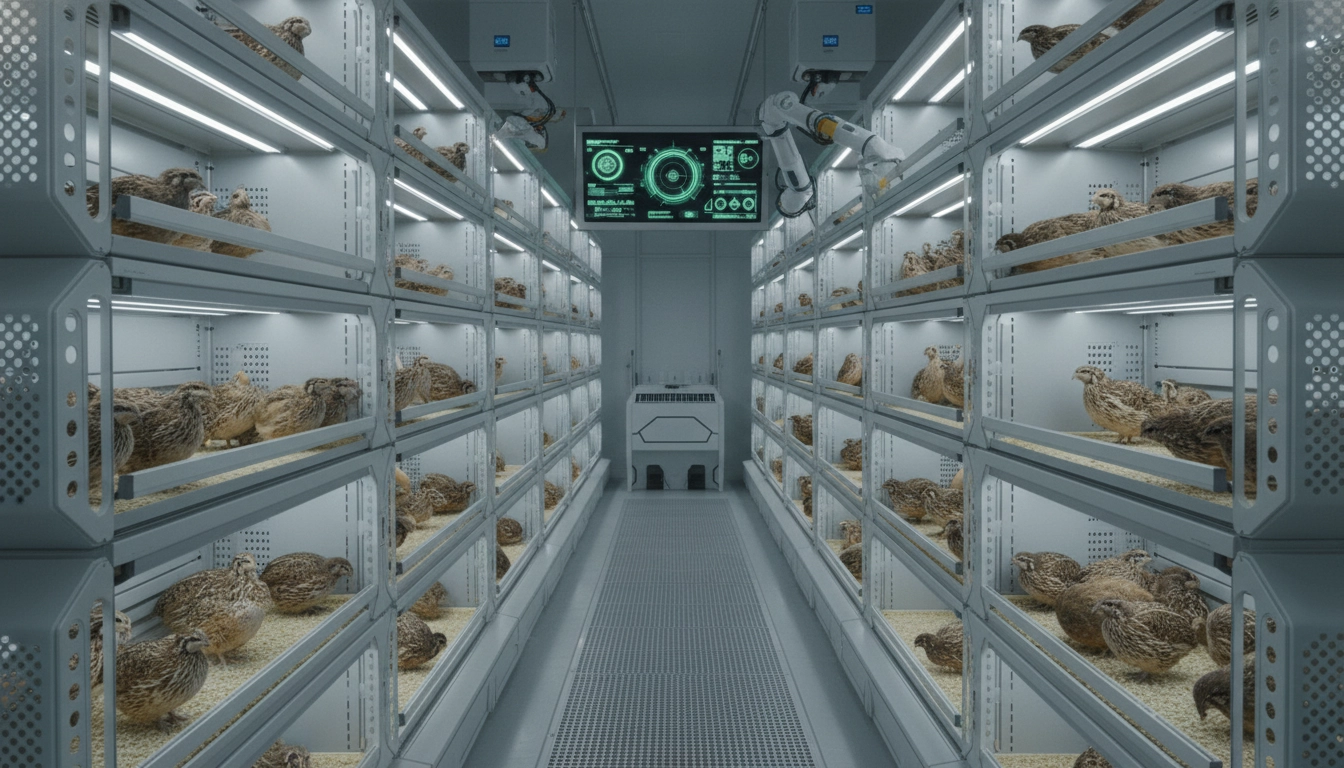
The future of quail farming looks promising with several emerging trends. Sustainable and organic practices are gaining popularity among health-conscious consumers. Technological innovations including automated feeding systems, climate-controlled housing, and digital monitoring tools are transforming traditional methods. Genetic improvements in breeding stock are enhancing productivity and disease resistance in modern operations.
Additionally, the growth of online marketplaces and direct-to-consumer sales channels is creating new opportunities for entrepreneurs. Niche markets such as organic quail eggs for health-conscious consumers and specialty quail meat for gourmet restaurants offer high-value opportunities. As global interest in alternative protein sources increases, quail farming is positioned to play a significant role in sustainable food systems worldwide.