
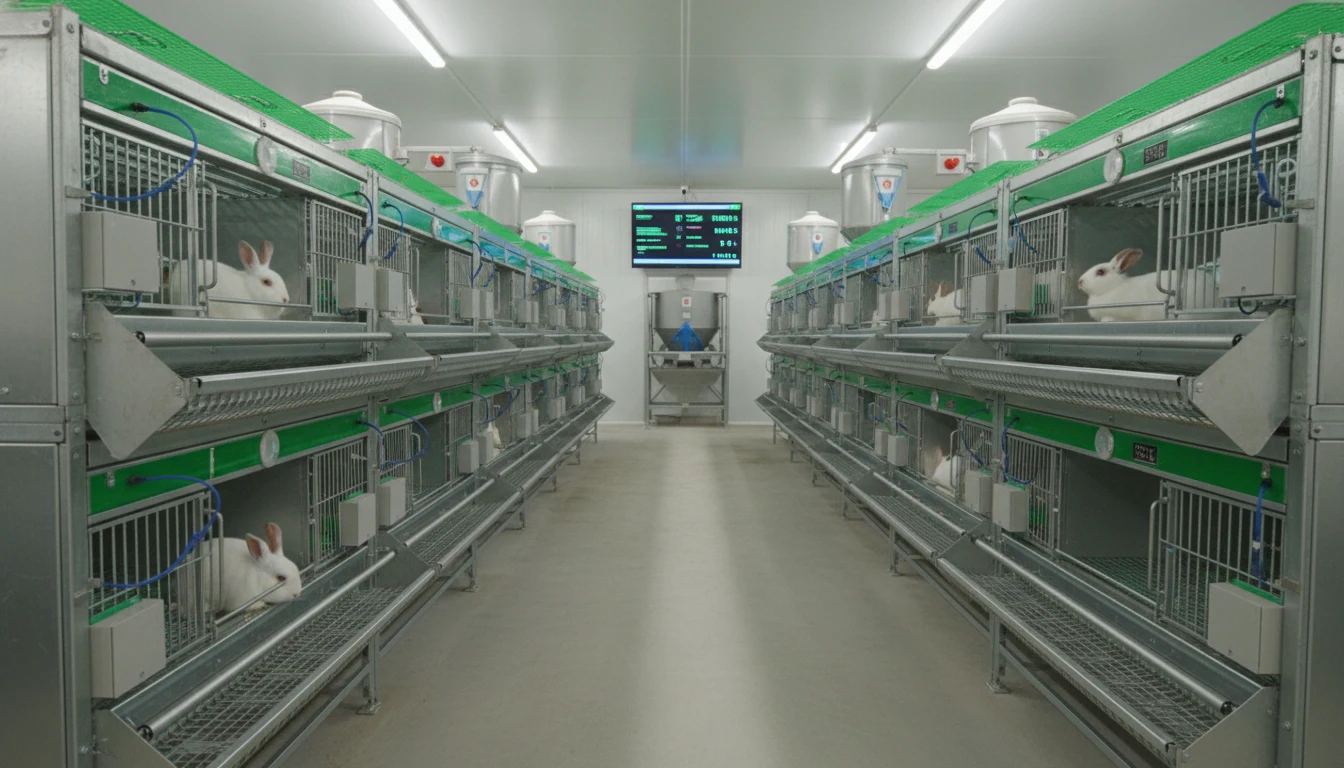
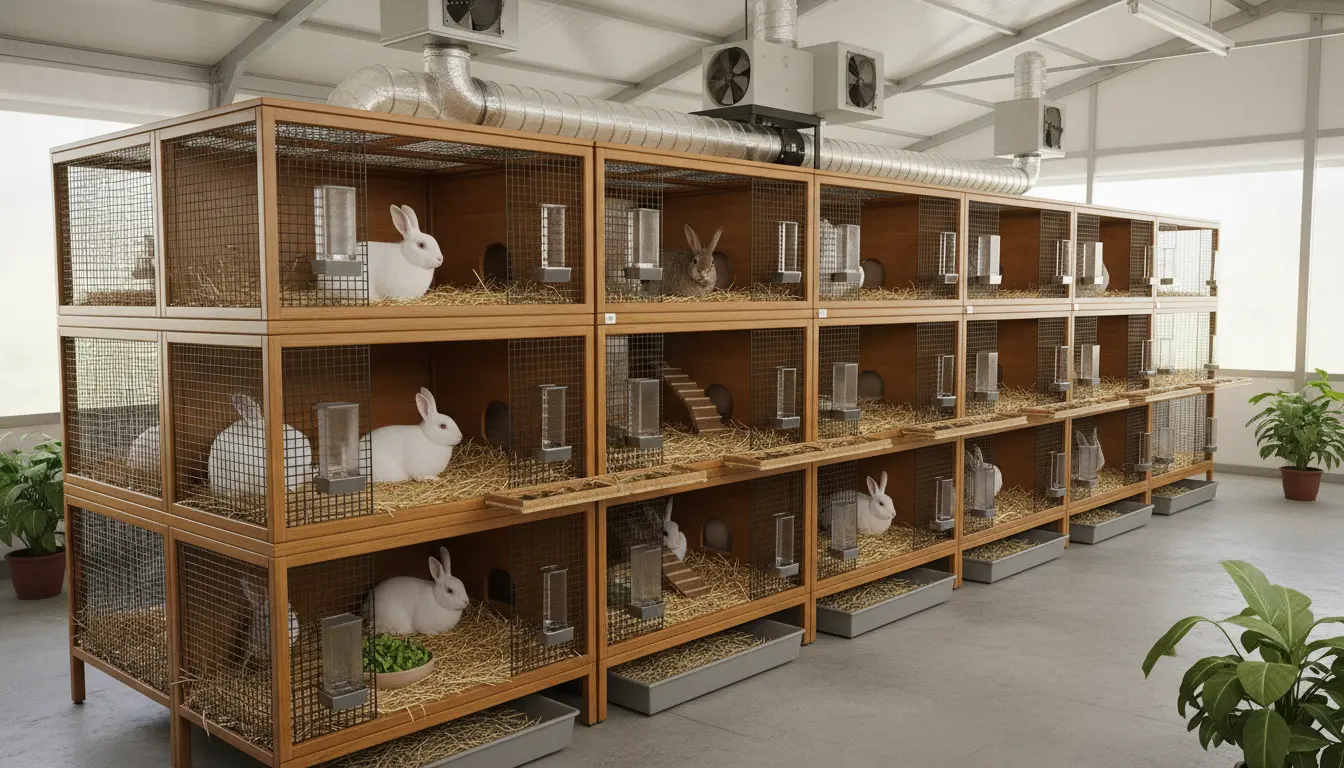
Rabbit farming, also known as cuniculture, represents one of agriculture's most efficient and sustainable protein production systems. This comprehensive guide explores modern cuniculture techniques, economic considerations, and environmental benefits that make rabbit production an essential component of sustainable agriculture.
What is Rabbit Farming and Why It Matters
cuniculture involves the managed breeding and raising of domestic rabbits for meat, wool, fur, or as breeding stock and pets. Modern cuniculture combines traditional husbandry with scientific management to optimize production efficiency and animal welfare. Rabbits have one of the best feed conversion ratios among livestock, requiring approximately 3-4 kg of feed to produce 1 kg of meat, compared to 6-8 kg for cattle.
The global cuniculture industry produces over 1.7 million tons of meat annually, with China, Italy, and Spain leading production. Rabbit farming matters because it provides high-quality protein with low environmental impact, requires minimal space compared to other livestock, and offers rapid returns on investment due to rabbits' short gestation period (31 days) and early maturity (4-6 months).
Benefits and Use Cases of Modern Rabbit Farming
Modern cuniculture offers numerous advantages beyond meat production. These include efficient space utilization, rapid reproduction cycles, high-quality fertilizer production, and potential for integrated farming systems. Rabbit manure is particularly valuable as a cold fertilizer that won't burn plants and has excellent nutrient content.
Key applications of rabbit farming include:
- Commercial meat production for local and specialty markets
- Angora wool production for the textile industry
- Breeding stock development for genetic improvement
- Educational programs in schools and agricultural institutions
- Manure production for organic gardening and farming
- Therapeutic and pet rabbit breeding programs
For those interested in diversified livestock operations, consider exploring our Cattle Farming Calculator to compare production methods and profitability across different livestock systems.
Tips and Best Practices for Successful Rabbit Farming
Successful cuniculture begins with proper housing design. Ideal rabbitries provide adequate ventilation, protection from extreme weather, proper sanitation systems, and sufficient space for natural behaviors. The all-in-all-out system, where entire sections are emptied, cleaned, and disinfected between batches, significantly reduces disease transmission.
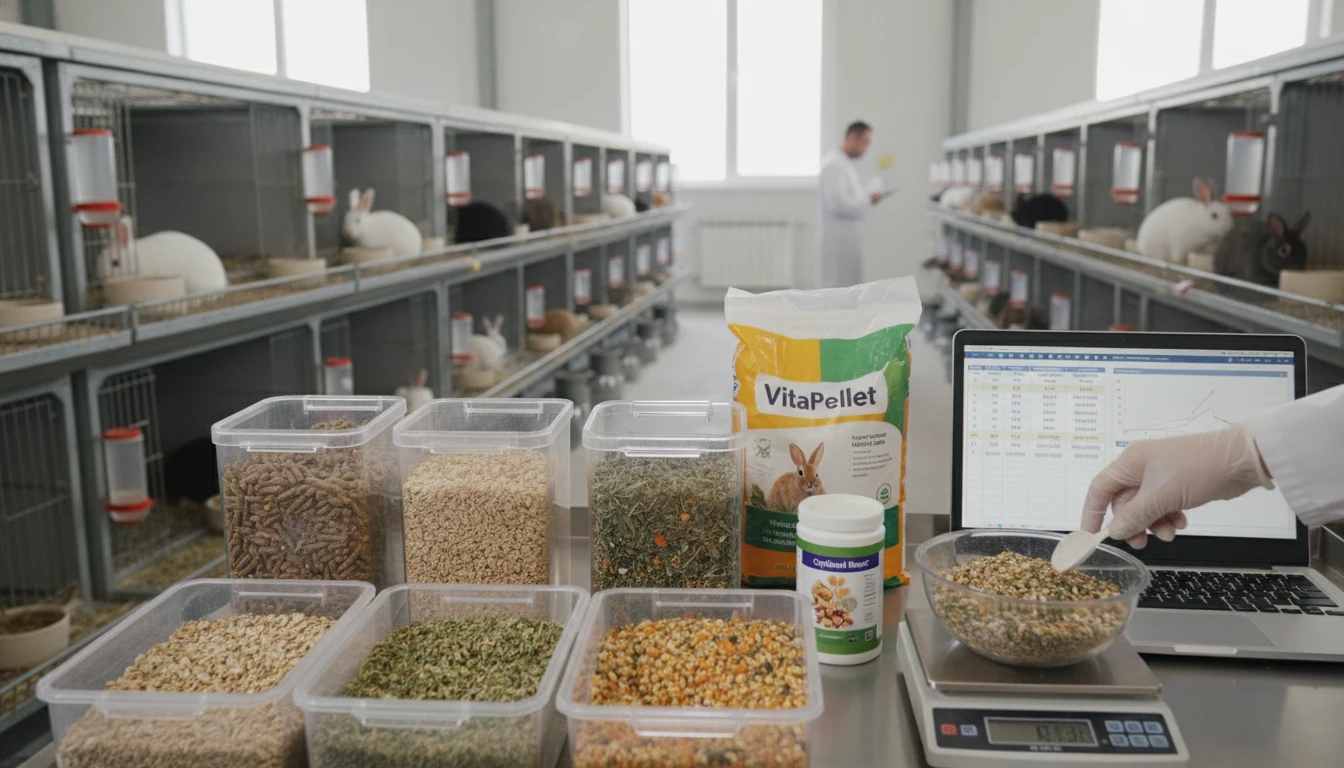
Proper nutrition and feed management are essential for successful rabbit farming operations
Breeding management represents the core of profitable cuniculture operations. Implementing controlled breeding schedules (allowing 6-8 weeks between kindling for does), proper weaning practices (4-8 weeks depending on system), and maintaining accurate breeding records are essential for maximizing productivity. The California and New Zealand White breeds are particularly popular for meat production due to their excellent growth rates and mothering abilities.
Health and disease management is critical in modern rabbit farming. Common issues include pasteurellosis (snuffles), coccidiosis, and ear mites. Regular health checks, vaccination programs where available, and strict biosecurity measures prevent disease outbreaks that can devastate profitability. For those considering insect-based protein alternatives, our Bee Farming Calculator offers insights into another sustainable protein production system.
Economic Considerations in Rabbit Farming
The economics of cuniculture depend on multiple factors including scale, production system, market access, and input costs. Small-scale operations (20-50 does) can provide supplemental income, while commercial operations (200+ does) can constitute a full-time livelihood. Feed typically represents 60-70% of production costs, making feed efficiency a critical profitability determinant.
Market development is essential for commercial success in rabbitcuniculture. Niche markets for organic, free-range, or specialty breed rabbits often command premium prices. Developing relationships with restaurants, specialty butchers, and direct consumers through farmers' markets can enhance profitability. For complementary livestock operations, our Meat Cooking Time Calculator helps processors and consumers prepare rabbit meat optimally.
Future Trends in Rabbit Farming
The future of cuniculture lies in further integration of technology, welfare science, and sustainable practices. Precision rabbit farming using IoT sensors for environmental monitoring, automated feeding systems, and AI-powered health monitoring will become increasingly accessible. Consumer demand for ethically produced, traceable protein sources will drive market growth for responsibly managed rabbit operations.
Regenerative rabbit farming practices that integrate with agroforestry, aquaponics, and circular agriculture systems will gain importance. Research into novel feed sources (insect meal, food waste conversion) and genetic improvements for disease resistance will further enhance sustainability. Climate-resilient breeds and production systems will become increasingly valuable as weather patterns change.
Authoritative Resource: For comprehensive information on sustainable rabbit production practices and global statistics, visit the Food and Agriculture Organization of the United Nations rabbit production portal, which provides research-based guidelines for rabbit farming operations worldwide.
Ultimately, successful rabbit farming balances economic viability with animal welfare and environmental stewardship. By using tools like our Rabbit Farming Calculator, producers can make informed decisions that optimize all aspects of their operations, creating resilient businesses that benefit both producers and consumers in the global food system.