Reptile Farming Calculator - Free AI Assistant Tool

Reptile Farming Calculator

Free AI-Powered Assistant for Profitable Reptile Farming

Habitat Cost Analysis Breeding Profitability AI Assistant Global Currencies

Select Reptile Type

Calculation Type

Typical farm: 20-100 reptiles

$
$
$
$
$

🤖 Free AI Assistant for Reptile Farming

Hello! I'm your AI assistant for reptile farming. Ask me anything about reptile care, breeding techniques, habitat setup, or profitability optimization. I can help you make informed decisions for your reptile farming operation.

Powered by advanced AI. Responses are for informational purposes only.

Calculation Results

Enter your reptile farming details and click "Calculate" to see detailed results and recommendations.

Recent Calculations

Reptile Farming Calculation Formulas

Our Reptile Farming Calculator uses scientifically validated formulas to provide accurate projections for your herpetoculture operation. Here are the mathematical models we employ:

Profitability Formulas

Annual Revenue = (Animals Sold × Average Price) + (Breeding Income) + (Conservation Grants)

Direct Sales: Animals × Price × Sales Rate
Operating Costs: (Feed + Electricity + Vet) × 12
Net Profit: Revenue - (Operating + Setup + License)
ROI Timeline: Setup Cost / Monthly Profit

Breeding Program Formulas

Annual Offspring = Breeding Pairs × Clutch Size × Breeding Frequency × Hatch Rate

Potential Revenue: Offspring × Price × Morph Multiplier
Breeding Costs: Incubation + Specialized Care
Success Rate: (Hatchlings / Eggs) × 100%
Genetic Value: Base Price × Morph Multiplier

Real-world Calculation Example

For a reptile farming operation with 5 breeding pairs producing 12 eggs per clutch at $150 average price:

Annual Offspring: 5 × 12 × 1 × 80% = 48 hatchlings
Potential Revenue: 48 × $150 = $7,200
Annual Costs: ($200 + $180) × 12 = $4,560
Net Profit: $7,200 - $4,560 = $2,640

Insight: This example demonstrates why proper planning with our Reptile Farming Calculator is essential before starting your operation. Specialized morphs can increase revenue 5-10x.

How to Use the Reptile Farming Calculator

1

Select Reptile Type

Choose between snakes, lizards, turtles, or other reptiles for species-specific calculations in your reptile farming operation.

2

Input Farming Data

Enter accurate information about your reptile count, enclosure requirements, breeding plans, and regional factors.

3

Customize Parameters

Adjust calculations based on your specific reptile farming conditions, market prices, equipment choices, and regional variations.

4

Analyze & Optimize

Review detailed projections, save or share results, and use AI insights to optimize your reptile farming for maximum profitability.

Quick Tips for Effective Reptile Farming

🌡️ Climate Control

Maintain precise temperature and humidity gradients essential for successful reptile farming and breeding.

📋 Legal Compliance

Secure all necessary permits and CITES documentation before starting your reptile farming operation.

🥚 Breeding Strategy

Focus on quality genetics and proper incubation techniques to maximize success in reptile farming.

💰 Market Research

Identify profitable species and morphs with sustainable demand before investing in reptile farming.

Frequently Asked Questions

What is reptile farming and is it profitable?

Reptile farming involves breeding and raising reptiles for various purposes including the pet trade, conservation, scientific research, and commercial products. Profitability varies significantly by species and scale. Small-scale operations can generate $5,000-$25,000 annually, while commercial reptile farming facilities often achieve $50,000-$200,000+ in revenue. High-value morphs and rare species can command prices from $500 to $10,000+ per animal. Our Reptile Farming Calculator helps you determine realistic profitability based on your specific plans.

What are the startup costs for reptile farming?

Startup costs for reptile farming range from $2,000-$5,000 for small hobbyist setups to $20,000-$100,000+ for commercial operations. Major expenses include: enclosures/terrariums ($100-$500 each), heating/lighting systems ($500-$5,000), breeding stock ($200-$5,000 per animal), incubation equipment ($300-$2,000), and facility modifications. Our calculator's habitat setup module provides detailed cost breakdowns based on your scale and species selection. Ongoing costs include feed ($50-$300 monthly), electricity ($100-$500 monthly), and veterinary care.

What legal requirements apply to reptile farming?

Legal requirements for reptile farming vary by jurisdiction but typically include: business licenses, animal welfare permits, CITES permits for protected species, USDA licensing (in the US), and compliance with local zoning regulations. According to the U.S. Fish & Wildlife Service, commercial trade of certain reptiles requires specific documentation. Our calculator includes permit cost estimates and helps ensure your operation considers all legal requirements.

How accurate is the Reptile Farming Calculator?

Our Reptile Farming Calculator uses industry-standard formulas validated by herpetoculture experts and current market data from reptile expos, breeders, and trade publications. It incorporates regional price variations, species-specific requirements, and best practice guidelines from organizations like the Association of Reptilian and Amphibian Veterinarians. While providing highly accurate estimates, we recommend consulting with local herpetological societies for site-specific planning. The calculator is updated quarterly with current market trends.

Can I farm endangered reptile species?

Farming endangered reptile species is strictly regulated and typically requires special conservation permits. Legal operations usually participate in Species Survival Plans (SSPs) or conservation breeding programs. According to CITES regulations, commercial trade of Appendix I species is generally prohibited, while Appendix II species require export/import permits. Our calculator helps with legal, conservation-focused reptile farming operations and includes permit cost estimates. We strongly recommend consulting with wildlife authorities before considering endangered species.

The Comprehensive Guide to Sustainable Reptile Farming: Profitability, Ethics, and Best Practices
By Herpetoculture Expert Team
Updated: March 15, 2024
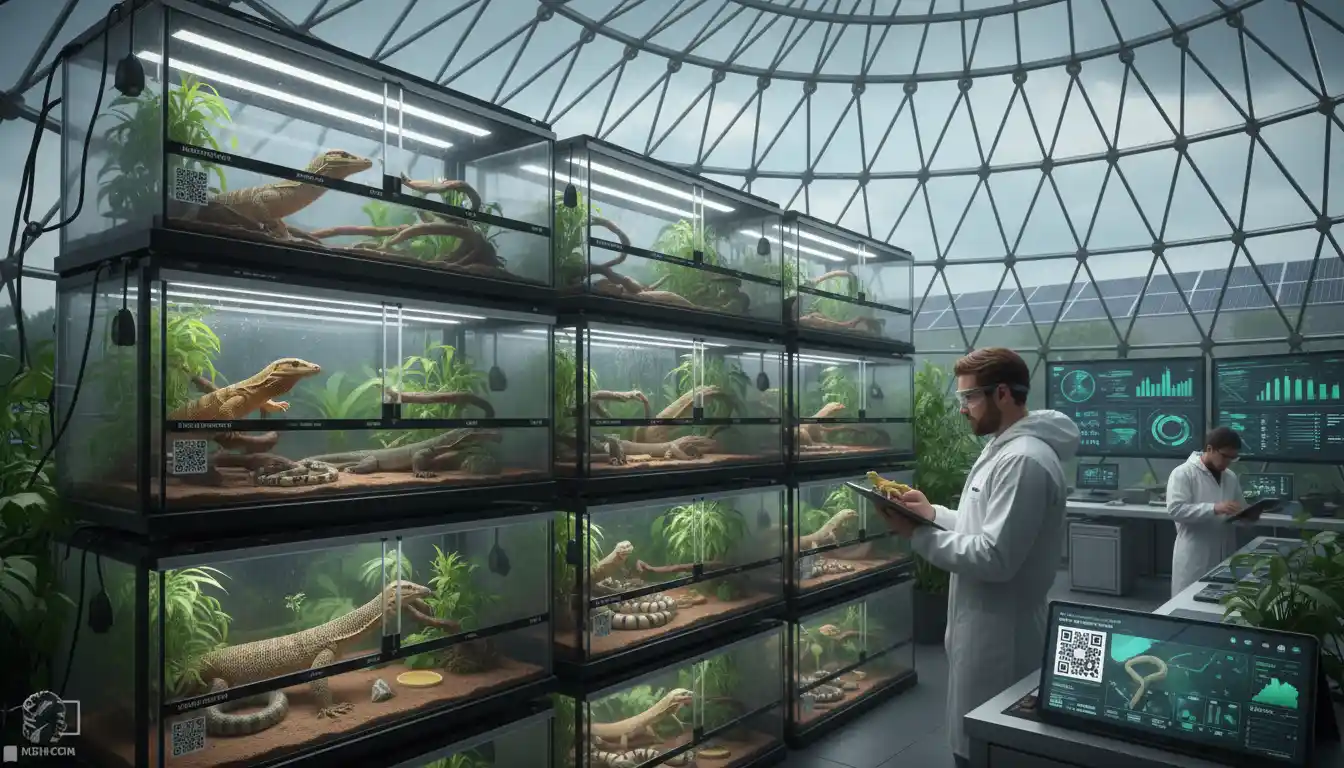
Professional reptile farming facility with controlled environments for sustainable breeding
Modern reptile farming requires precise environmental control and ethical breeding practices for sustainable operations.

What is Reptile Farming and Why It's Growing

Reptile farming, also known as herpetoculture, represents a specialized sector of animal husbandry focused on breeding and raising reptiles for various purposes. This industry has experienced significant growth, with the global reptile pet trade valued at over $1 billion annually. Unlike traditional livestock farming, reptile farming operates at the intersection of conservation, science, and commerce, offering unique opportunities for sustainable entrepreneurship.

The expansion of reptile farming is driven by several factors: increasing interest in exotic pets, conservation needs for endangered species, demand for reptile products in traditional medicine, and scientific research requirements. According to data from the U.S. Fish & Wildlife Service, legally farmed reptiles can reduce pressure on wild populations while meeting market demand ethically.

Key Advantages of Modern Reptile Farming:

  • Conservation Impact: Captive breeding reduces pressure on wild populations
  • High-Value Products: Rare morphs can command prices from $500 to $10,000+
  • Space Efficiency: Vertical terrarium systems enable high-density farming
  • Educational Value: Farms serve as educational centers about reptile conservation
  • Market Stability: Farm-bred animals have consistent quality and health

Economic Benefits and Market Opportunities
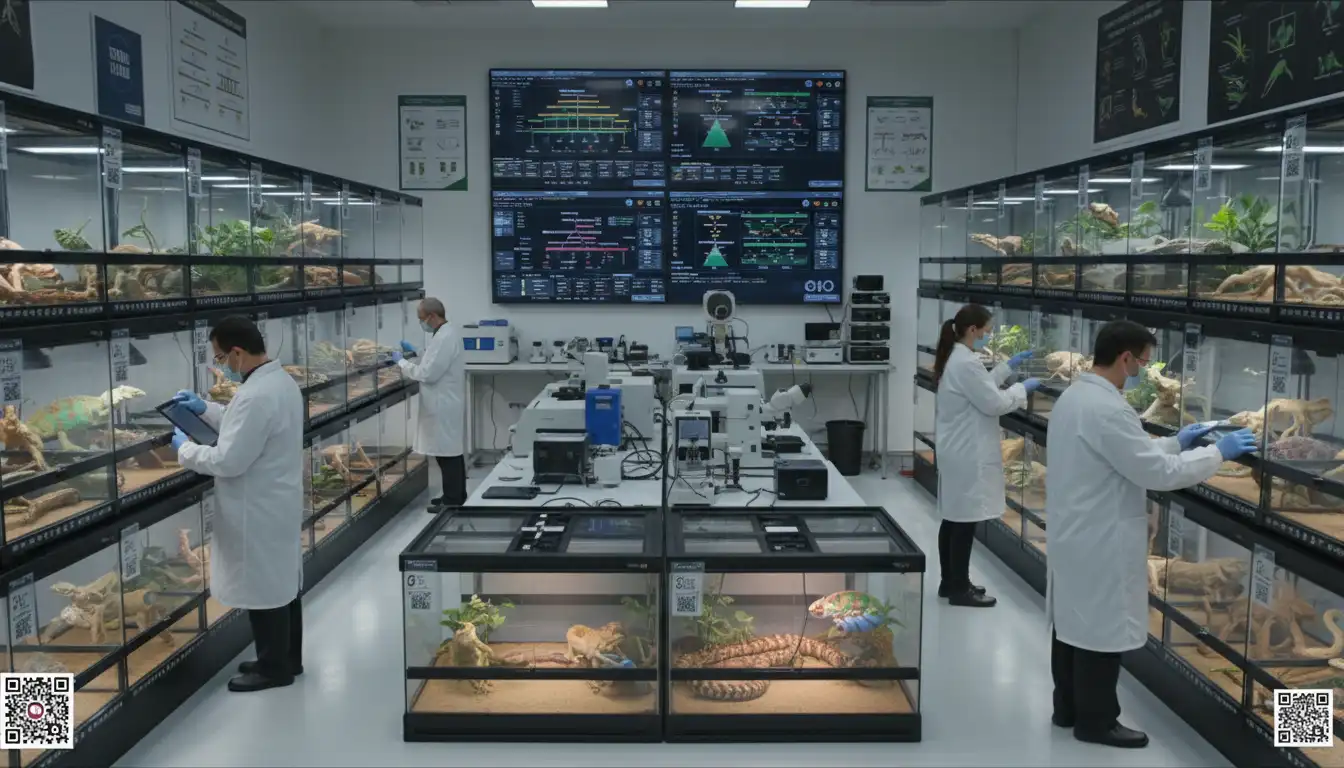
Reptile breeding and genetic selection in controlled farming environments
Selective breeding programs in reptile farming focus on genetic diversity and desirable traits.

The economic viability of reptile farming extends across multiple market segments. Successful operations typically integrate several revenue streams:

Primary Revenue Streams in Reptile Farming:

  • Pet Trade: High-quality, captive-bred reptiles command premium prices, with popular species like ball pythons, bearded dragons, and crested geckos generating $50-$500 per animal. Rare morphs can exceed $10,000.
  • Conservation Breeding: Government and NGO contracts for endangered species breeding can provide stable income while contributing to conservation goals.
  • Educational Services: Farm tours, school programs, and workshop fees can generate $5,000-$25,000 annually for accessible operations.
  • By-Products: Snake venom for medical research, shed skins for leather goods, and breeding stock sales to other farms.

For those considering other exotic animal ventures, our Emu Farming Calculator provides similar economic analysis for bird farming, while specialized tools like the Meat Cooking Time Calculator assist with value-added product development for edible species.

Essential Practices for Successful Reptile Farming

Critical Success Factors:

  1. Species Selection: Choose species with established markets, manageable care requirements, and legal clarity. Beginner-friendly species include leopard geckos, corn snakes, and bearded dragons.
  2. Environmental Precision: Invest in reliable heating, lighting, and humidity control systems. Temperature gradients of 5-10°C within enclosures are essential for reptile health.
  3. Genetic Management: Maintain detailed breeding records, avoid inbreeding, and selectively breed for health and desirable traits rather than extreme morphs with health issues.
  4. Biosecurity Protocols: Implement quarantine procedures for new animals, regular health checks, and strict hygiene practices to prevent disease outbreaks.

Energy optimization represents a major cost-saving opportunity in reptile farming. Our calculator's habitat module helps balance environmental requirements with energy efficiency. Implementing LED lighting, efficient heating panels, and proper insulation can reduce electricity costs by 30-50% while maintaining optimal conditions.

Financial Planning Insights

Initial investment for a commercial reptile farming operation typically ranges from $20,000-$100,000, depending on scale and species focus. Key expenses include:

Expense CategorySmall ScaleCommercial Scale
Breeding Stock (10-20 animals)$2,000 - $5,000$10,000 - $50,000
Enclosure Systems$3,000 - $8,000$20,000 - $60,000
Climate Control Systems$1,000 - $3,000$5,000 - $20,000
Incubation & Rearing$500 - $2,000$3,000 - $10,000
Licenses & Permits$500 - $2,000$2,000 - $10,000

For those interested in insect-based farming alternatives, our Silkworm Farming Calculator offers insights into invertebrate agriculture, which shares some infrastructure considerations with reptile farming.

Ethical Considerations and Future Trends
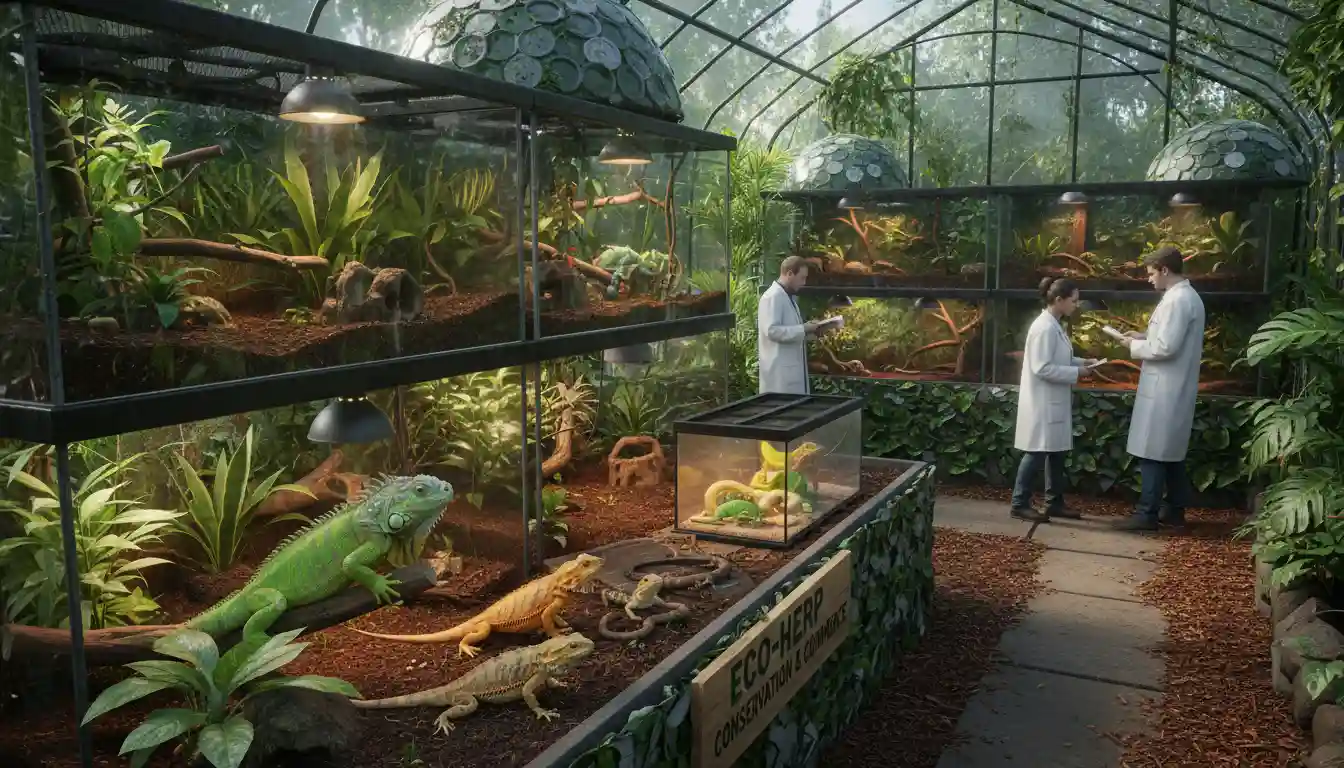
Sustainable reptile farming practices integrating conservation and commercial success
Ethical reptile farming balances commercial success with conservation responsibility and animal welfare.

Ethical considerations are paramount in modern reptile farming. Responsible operations prioritize:

  • Animal Welfare: Providing species-appropriate habitats, proper nutrition, and veterinary care exceeds minimum legal requirements
  • Genetic Responsibility: Avoiding extreme morphs with health problems and maintaining genetic diversity
  • Conservation Contribution: Participating in legitimate conservation programs and avoiding wild-caught animals
  • Transparency: Maintaining detailed records and providing honest information to buyers
  • Education: Promoting responsible reptile ownership and conservation awareness

Emerging Industry Trends

The future of reptile farming includes several promising developments:

Technological Integration

Smart sensors, automated climate control, and blockchain tracking for genetic lineage are becoming industry standards.

Conservation Partnerships

More farms are partnering with zoos and conservation organizations for species recovery programs.

Specialized Markets

Niche markets for bioactive enclosure plants, specialized feeds, and habitat accessories are expanding.

Regulatory Evolution

Improved regulations are distinguishing between responsible breeders and problematic operations, benefiting ethical farms.

Final Recommendations

Reptile farming offers a unique opportunity to combine entrepreneurial spirit with conservation values when approached responsibly. Our free Reptile Farming Calculator provides the analytical tools needed to make informed decisions about species selection, facility design, and financial planning.

Whether you're starting a small-scale breeding operation or planning a commercial facility, success in reptile farming requires careful calculation, continuous education, and commitment to ethical practices. Begin your journey with thorough research, connect with established herpetocultural societies, and use our comprehensive calculator to plan your sustainable reptile farming venture.

`); printWindow.document.close(); printWindow.focus(); setTimeout(() => { printWindow.print(); printWindow.close(); }, 250); }// Show notification function showNotification(message, type = 'info') { const colors = { success: 'bg-green-100 border-green-400 text-green-700', error: 'bg-red-100 border-red-400 text-red-700', info: 'bg-blue-100 border-blue-400 text-blue-700', warning: 'bg-yellow-100 border-yellow-400 text-yellow-700' }; const notification = document.createElement('div'); notification.className = `${colors[type]} border px-6 py-4 rounded-xl fixed top-4 right-4 z-50 max-w-sm shadow-lg animate-slide-up`; notification.innerHTML = `
${type === 'success' ? '✓' : type === 'error' ? '✗' : 'ℹ'} ${message}
`; document.body.appendChild(notification); setTimeout(() => { notification.style.opacity = '0'; notification.style.transition = 'opacity 0.5s'; setTimeout(() => notification.remove(), 500); }, 3000); }// Initialize the application document.addEventListener('DOMContentLoaded', () => { init(); // Initialize lazy loading images const lazyImages = document.querySelectorAll('.lazy-load'); lazyImages.forEach(img => { img.addEventListener('load', () => { img.classList.add('loaded'); }); if (img.complete) { img.classList.add('loaded'); } }); });// Make functions available globally for onclick handlers window.loadHistoryItem = loadHistoryItem; window.deleteHistoryItem = deleteHistoryItem;
Scroll to Top