
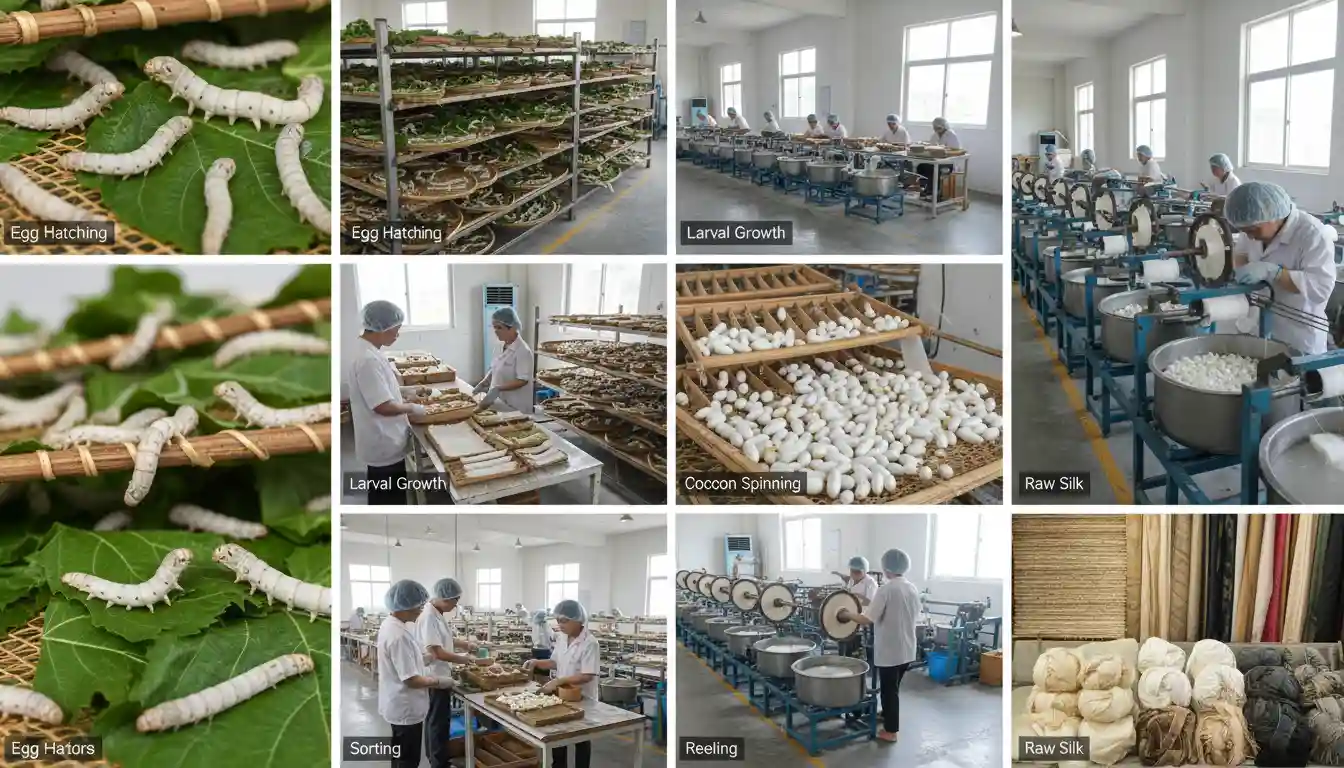
Comprehensive Guide to Silkworm Farming and Silk Production
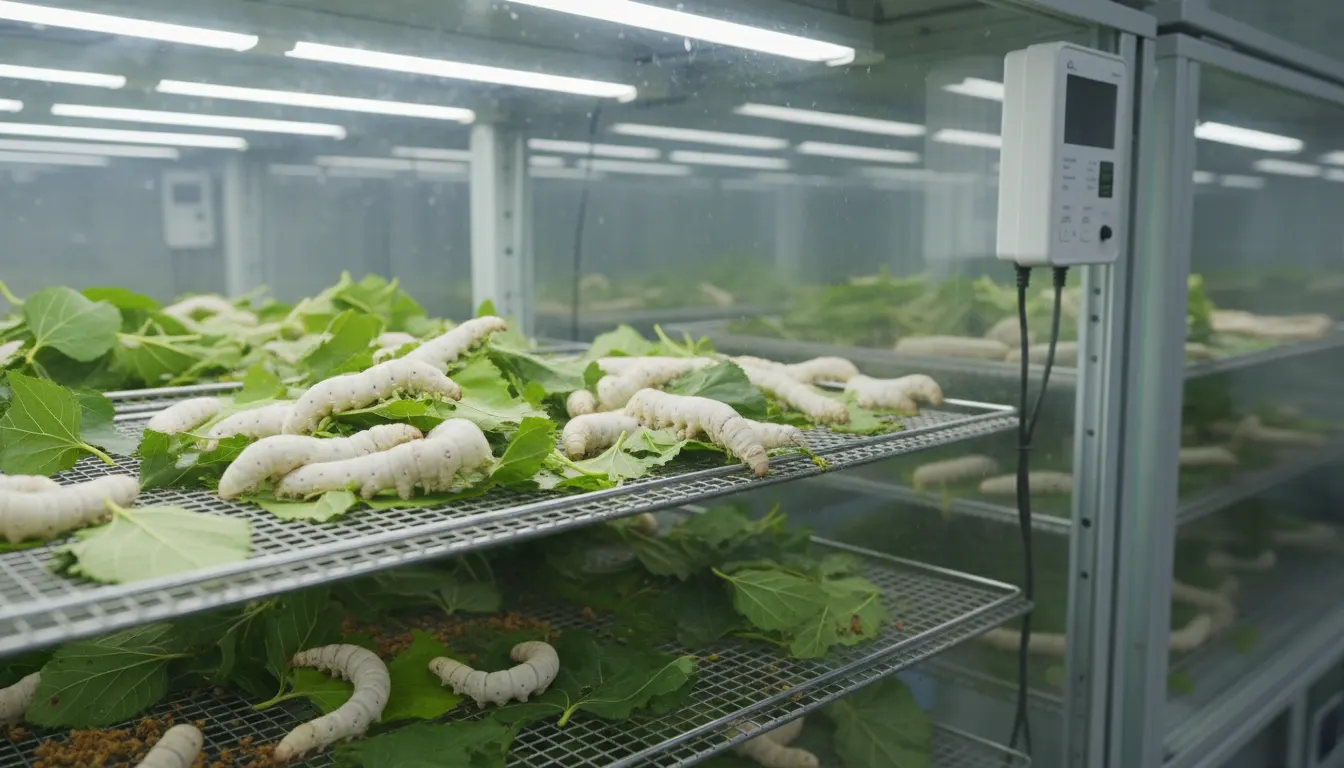
Healthy silkworms feeding on mulberry leaves in controlled environment
Silkworm farming, known scientifically as sericulture, is the art and science of cultivating silkworms for silk production. This ancient practice, dating back over 5,000 years in China, remains a vital agricultural activity in many parts of the world. The global silk industry produces approximately 202,000 metric tons of raw silk annually, with the majority coming from China and India.
What is Silkworm Farming and Why It Matters
Silkworm farming involves the complete lifecycle management of Bombyx mori, the domesticated silkworm moth. The process begins with silkworm farming eggs hatching into larvae, which are then reared on fresh mulberry leaves. After approximately 25-30 days of intensive feeding, the larvae spin cocoons made of continuous silk filaments that can stretch up to 900 meters in length.
The economic importance of silkworm farming extends beyond silk production. It provides employment opportunities in rural areas, supports ancillary industries like mulberry cultivation and silk processing, and contributes to sustainable agriculture practices. According to the Food and Agriculture Organization (FAO), sericulture supports the livelihoods of approximately 1 million households in India alone.
Modern silkworm farming incorporates technological advancements while maintaining traditional knowledge. Climate-controlled rearing houses, disease-resistant silkworm breeds, and improved mulberry varieties have significantly increased productivity. For those interested in related agricultural ventures, our bee farming calculator offers similar planning tools for apiculture operations.
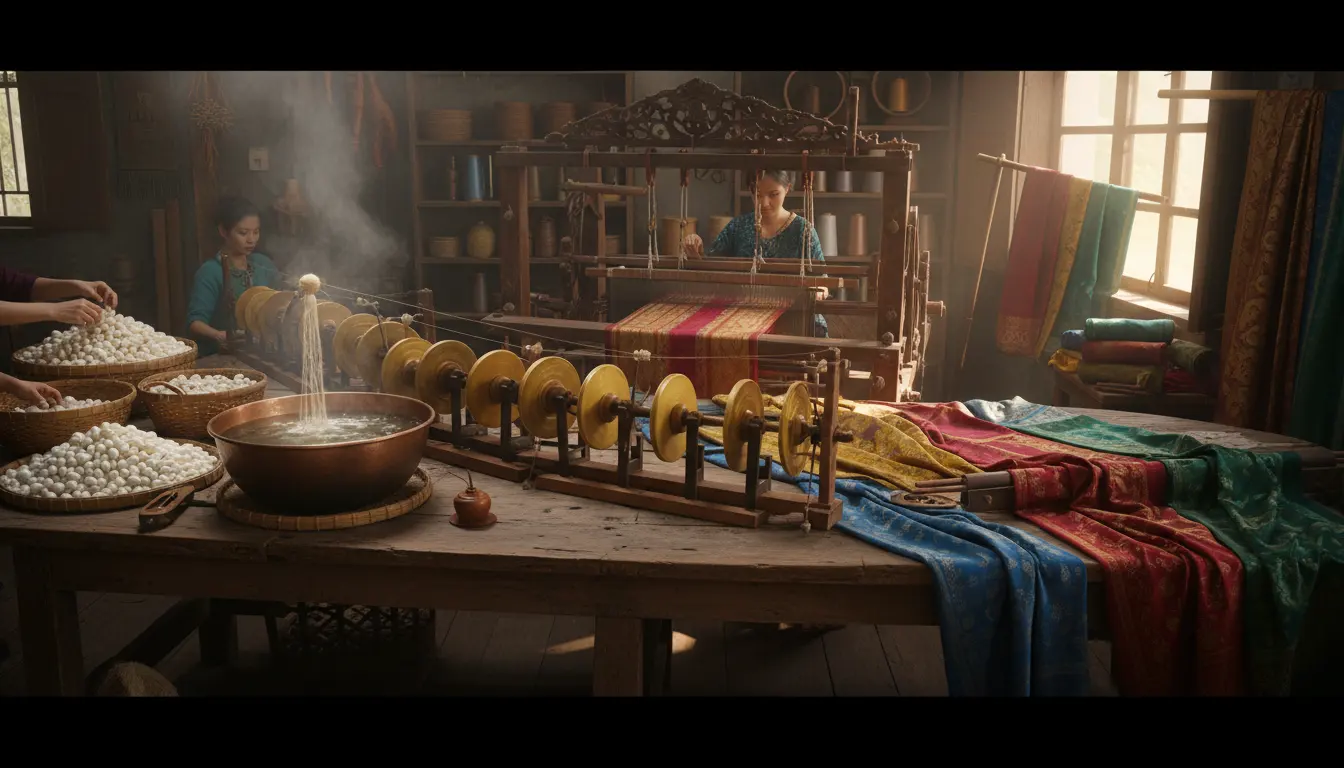
Silk production process from cocoon harvesting to fabric creation
Benefits and Use Cases of Silkworm Farming
The benefits of silkworm farming extend across economic, environmental, and social dimensions. Economically, it offers relatively high returns compared to many traditional crops, with profit margins potentially reaching 30-40% in well-managed operations. Environmentally, sericulture is relatively sustainable, as mulberry plants help prevent soil erosion and silkworm waste can be used as organic fertilizer.
Key use cases for silkworm farming include:
- Commercial silk production for textile industries
- Rural development programs and poverty alleviation initiatives
- Educational and research institutions studying insect biology and sustainable agriculture
- Diversification strategy for existing agricultural operations
- Specialty silk products including medical sutures, cosmetics, and luxury goods
For agricultural diversification, farmers might also consider complementary ventures like shrimp farming or butterfly farming, which our calculators can help evaluate.
Tips and Best Practices for Successful Silkworm Farming
Successful silkworm farming requires attention to several critical factors. First, climate control is essential - silkworms thrive at temperatures between 24-28°C with 70-80% humidity. Proper ventilation prevents the buildup of harmful gases while maintaining optimal conditions.
Nutrition plays a crucial role in silk quality and yield. Mulberry leaves should be fresh, tender, and free from pesticides. The nutritional content varies with leaf maturity, with younger leaves generally producing higher quality silk. According to research published in the Journal of Insect Science, protein content in mulberry leaves directly correlates with cocoon weight and silk yield.
Disease management represents another critical aspect. Common silkworm diseases include pébrine, flacherie, and grasserie, which can devastate entire batches if not properly managed. Preventive measures include disinfecting rearing facilities, using disease-free eggs, and maintaining proper hygiene throughout the rearing process.
Related Concepts and Future Trends
The future of silkworm farming includes exciting developments in biotechnology and sustainable practices. Genetic engineering has produced silkworms that spin colored silk naturally, eliminating the need for chemical dyes. Other research focuses on producing spider-silk proteins in silkworms, creating fibers with exceptional strength for medical and industrial applications.
Organic sericulture is gaining popularity, with certification programs ensuring environmentally friendly practices throughout the production chain. The global organic silk market is projected to grow at 8.2% CAGR through 2028, reflecting increasing consumer demand for sustainable textiles.
For authoritative information on agricultural practices, the Food and Agriculture Organization of the United Nations provides comprehensive resources on sericulture, including technical guidelines, market analysis, and sustainability considerations.
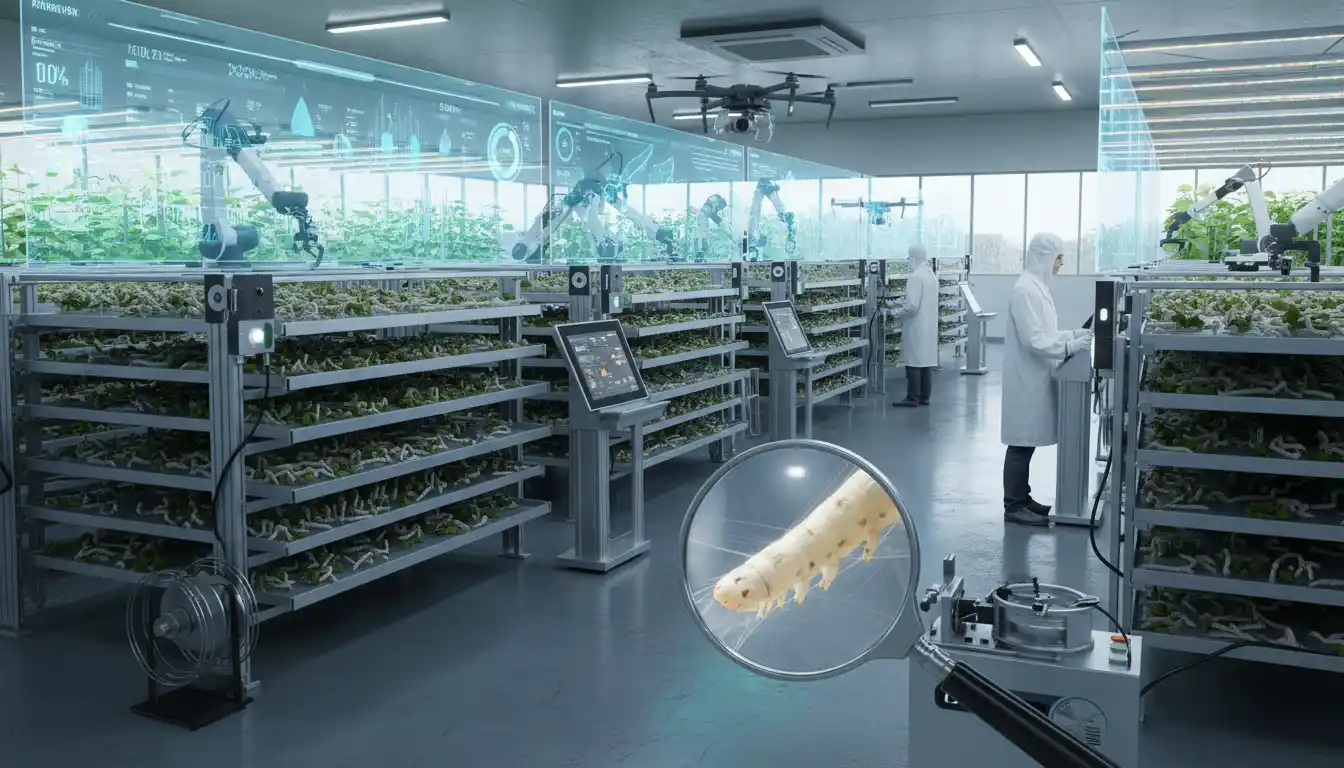
Modern technology and innovation in silkworm farming operations
Final Thoughts: Silkworm farming represents a unique intersection of traditional knowledge and modern agricultural science. With proper planning using tools like our silkworm farming calculator, attention to best practices, and adaptation to market trends, sericulture can provide sustainable livelihoods while contributing to the global textile industry. Whether you're a small-scale farmer or planning a commercial operation, understanding the economics and requirements of silkworm farming is the first step toward success.