
Complete Guide to Profitable Trout Farming
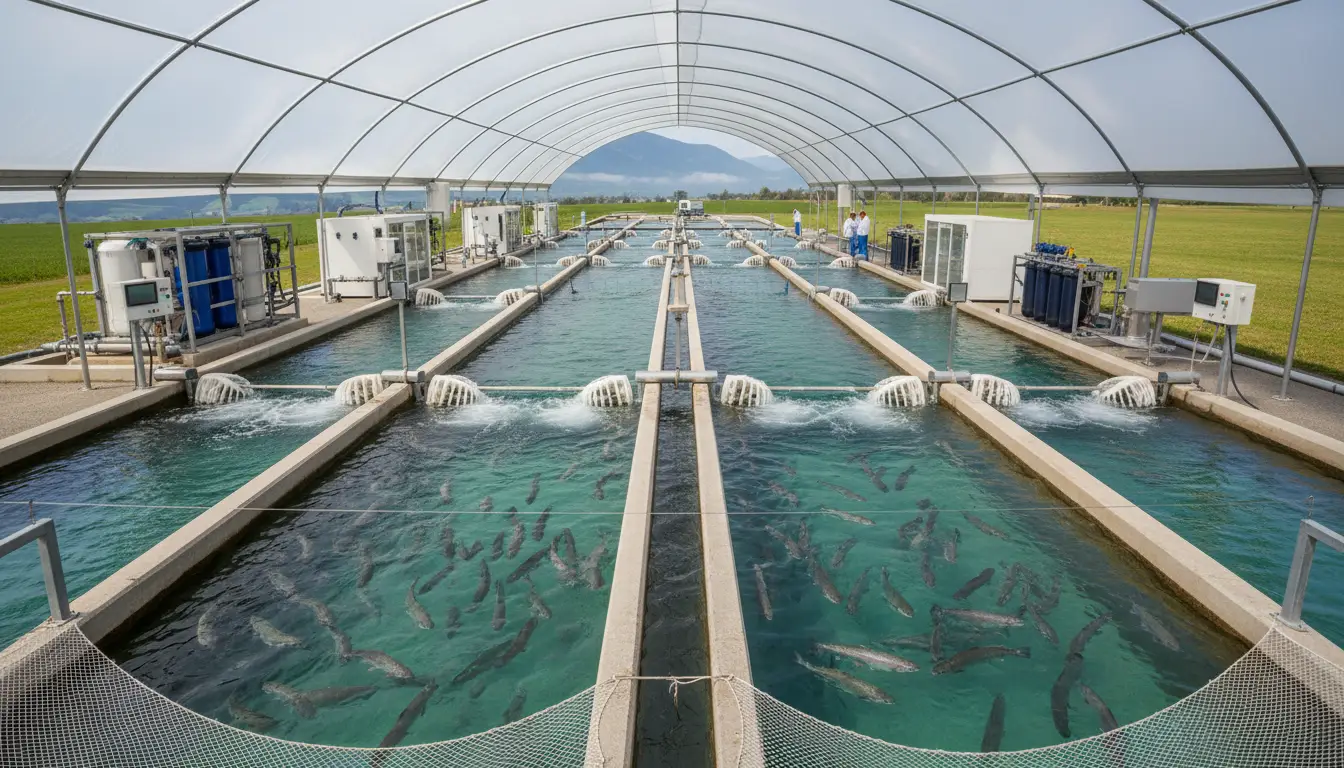
Modern trout aquafarming raceway systems provide optimal conditions for rainbow trout growth and health
What is Trout Farming and Why It Matters
Trout farming, also known as trout aquaculture, is the practice of breeding and raising trout for commercial purposes, primarily for food production. As global demand for high-quality protein continues to grow, trout farming has emerged as a sustainable and efficient method of fish production. The global trout aquafarming market is projected to reach $5.2 billion by 2027, growing at a CAGR of 5.8% from 2022 to 2027.
Trout are particularly well-suited for aquaculture due to their fast growth rate, efficient feed conversion, and high market value. Rainbow trout (Oncorhynchus mykiss) is the most commonly farmed species worldwide, accounting for approximately 90% of global trout production. Trout aquafarming operations can range from small family-run enterprises to large commercial facilities producing thousands of tons annually.
The Food and Agriculture Organization (FAO) provides comprehensive resources on trout aquafarming techniques and best practices, emphasizing the importance of sustainable aquaculture development.
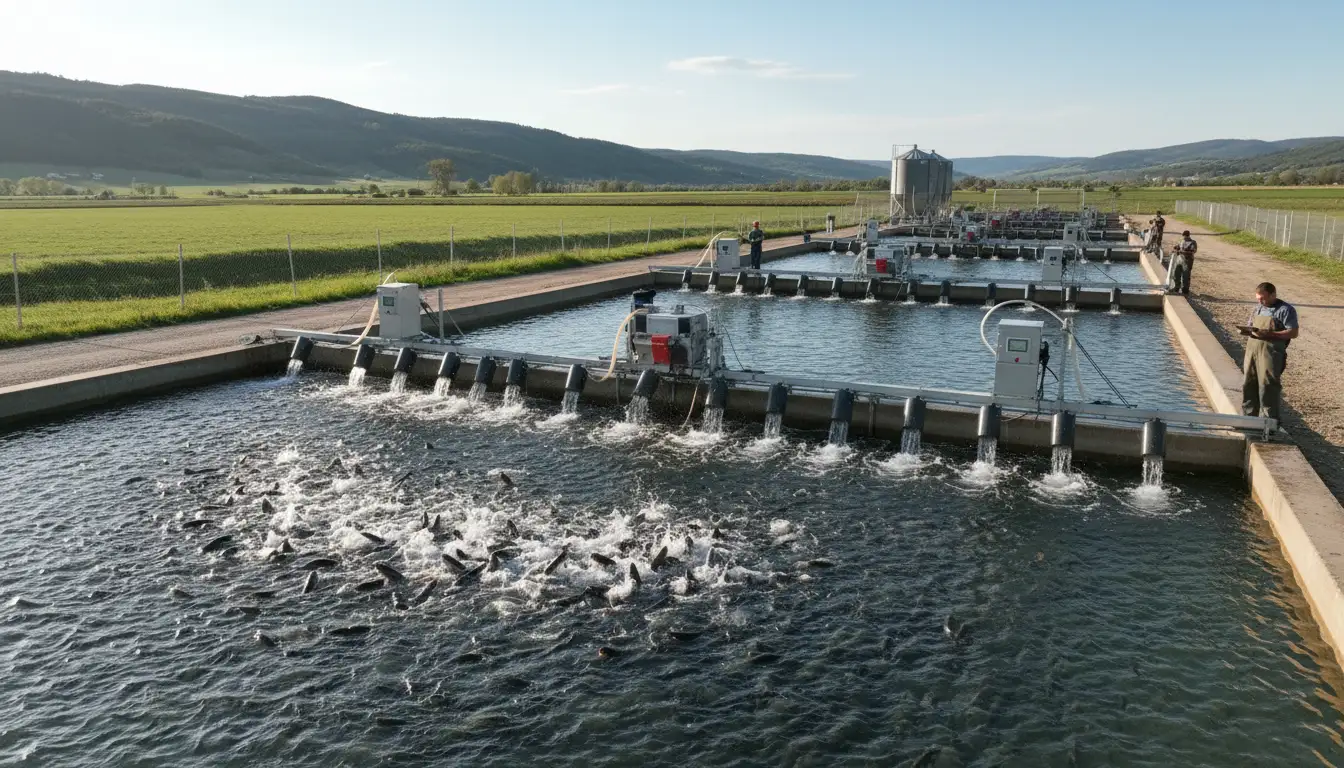
Automated feeding systems in modern trout aquafarming operations ensure consistent nutrition and growth rates
Benefits and Use Cases of Trout Farming
Trout farming offers numerous advantages over traditional capture fisheries and other aquaculture species:
- High Market Value: Trout commands premium prices in markets worldwide due to its excellent taste and nutritional profile
- Efficient Growth: Rainbow trout can reach market size (250-400g) in 9-12 months with proper management
- Versatile Production Systems: Trout can be farmed in various systems including raceways, ponds, tanks, and recirculating systems
- Environmental Sustainability: Modern trout aquafarming systems can achieve water reuse rates of 90-99% in recirculating systems
- Year-round Production: Unlike seasonal capture fisheries, trout aquafarming provides consistent supply throughout the year
- Nutritional Excellence: Trout is rich in omega-3 fatty acids, high-quality protein, and essential vitamins
Successful trout aquafarming operations exist across Europe, North America, South America, and increasingly in Asia. The industry continues to innovate with technologies like recirculating aquaculture systems (RAS) that minimize environmental impact while maximizing production efficiency.
Tips and Best Practices for Successful Trout Farming
Based on analysis from our Trout Farming calculator and industry data, here are essential recommendations:
- Water Quality Management: Maintain optimal water parameters: temperature 10-16°C, dissolved oxygen >5 mg/L, pH 6.5-8.0, and ammonia <0.02 mg/L. Regular monitoring is essential for trout health and growth.
- Feed Management: Use high-quality, species-specific feed with appropriate protein levels (38-45% for grow-out). Implement feeding schedules based on water temperature and fish size for optimal feed conversion ratios.
- Stocking Density Optimization: Maintain appropriate stocking densities: 15-30 kg/m³ for raceways, 20-40 kg/m³ for tanks, and 5-15 kg/m³ for ponds. Overstocking increases stress and disease risk.
- Health Monitoring: Implement regular health checks and preventive measures against common trout diseases like furunculosis, columnaris, and IPN (Infectious Pancreatic Necrosis).
- Record Keeping: Maintain detailed records of feeding rates, growth performance, water quality parameters, and financial transactions for continuous improvement.
Farmers interested in aquaculture diversification should also explore catfish farming as a complementary enterprise, especially in warmer climates where catfish thrive.
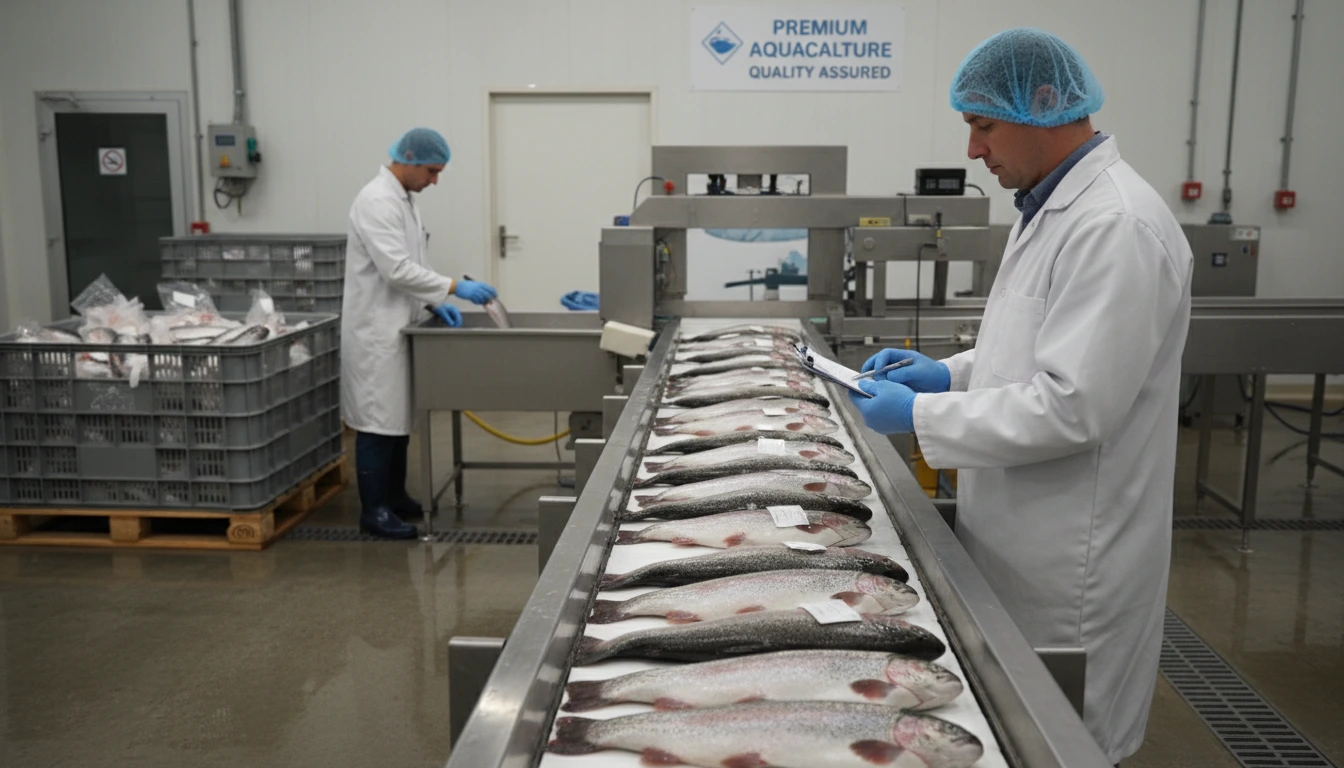
Quality control during trout harvest ensures premium products for market distribution
Related Concepts and Integration
Trout farming doesn't operate in isolation. Successful operations often integrate with:
- Integrated Multi-Trophic Aquaculture (IMTA): Combining trout farming with other species like shellfish or aquatic plants to utilize waste products and increase overall system efficiency
- Value-Added Products: Processing trout into fillets, smoked products, value-added meals, and specialty items for higher profit margins
- Aquaponics: Integrating trout farming with hydroponic vegetable production, where fish waste provides nutrients for plants
- Alternative Species: Many successful aquaculture farms also raise general fish farming species and salmon farming for diversified income streams and market opportunities
- Ecotourism: Farm visits, fishing experiences, and educational programs that generate additional revenue
The trout farming sector continues to evolve with new technologies, sustainable practices, and market opportunities. By using tools like our Trout Farming calculator, producers can make data-driven decisions to optimize their operations for maximum profitability and environmental sustainability.
Key Takeaway:
Trout farming represents a sustainable, profitable aquaculture opportunity with growing global market demand. With proper water quality management, efficient feeding practices, and strategic planning using tools like this calculator, trout farming can provide substantial economic returns while contributing to global food security. The key to success lies in balancing production efficiency with environmental sustainability, ensuring long-term viability for your trout farming operation.