
The Comprehensive Guide to Sustainable Wool Production: From Pasture to Profit
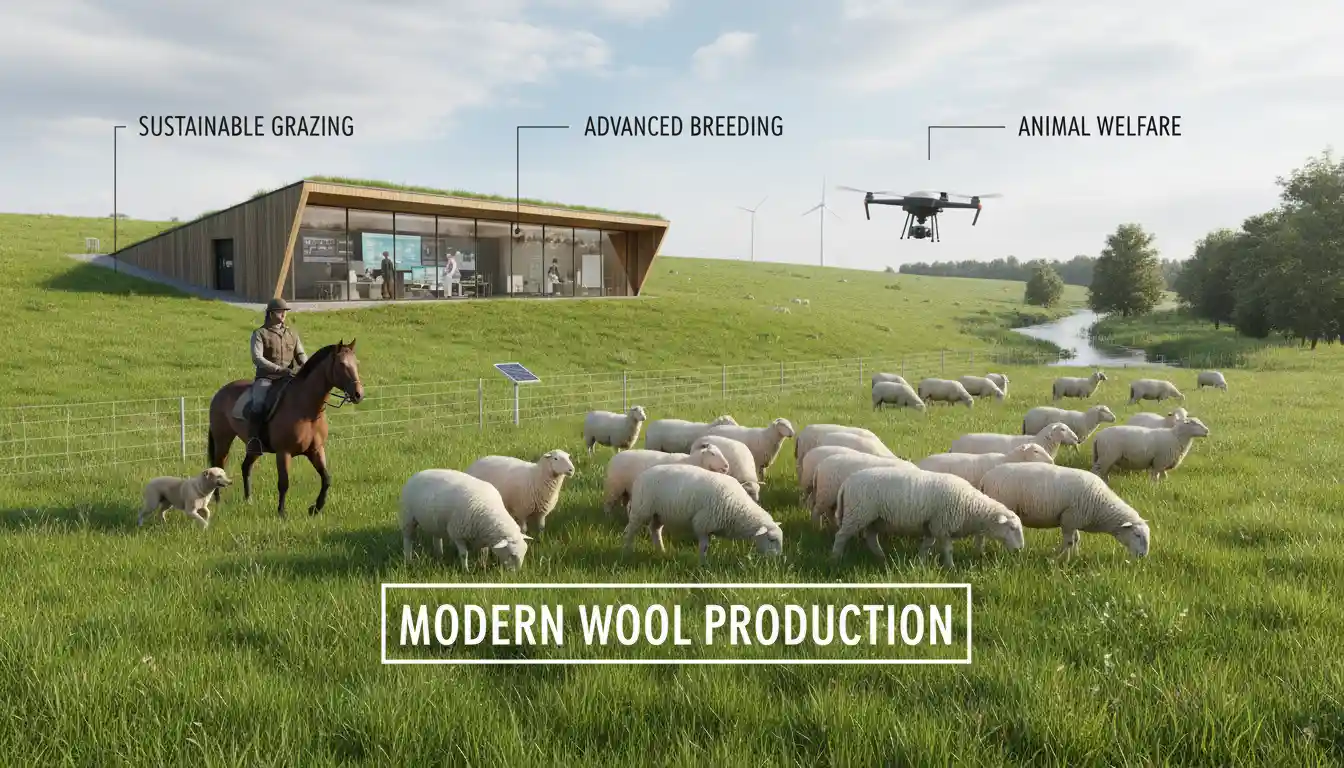
What is Wool Production and Why It's Essential
Wool production represents one of humanity's oldest agricultural practices, dating back over 10,000 years. Today, it remains a vital global industry, with annual production exceeding 1.1 million metric tons of clean wool worth approximately $8-10 billion. Unlike synthetic fibers, wool is a renewable, biodegradable resource that supports rural economies and sustainable land management practices worldwide.
The modern wool farming industry has evolved significantly, incorporating genetic improvement, precision nutrition, and sophisticated processing technologies. According to the Food and Agriculture Organization of the United Nations, sustainable wool production can play a crucial role in climate-smart agriculture by sequestering carbon in pastures and providing income diversification for farmers.
Key Advantages of Sustainable Wool Production:
- Environmental Benefits: Wool is renewable, biodegradable, and requires less energy to produce than synthetic fibers
- Economic Stability: Provides consistent income in marginal agricultural areas unsuitable for crops
- Carbon Sequestration: Well-managed wool-producing pastures capture 0.5-2 tons of carbon per acre annually
- Versatile Markets: From luxury textiles to technical applications like insulation and filtration
- Animal Welfare: Ethical wool production supports humane animal husbandry standards
Economic Benefits and Market Dynamics
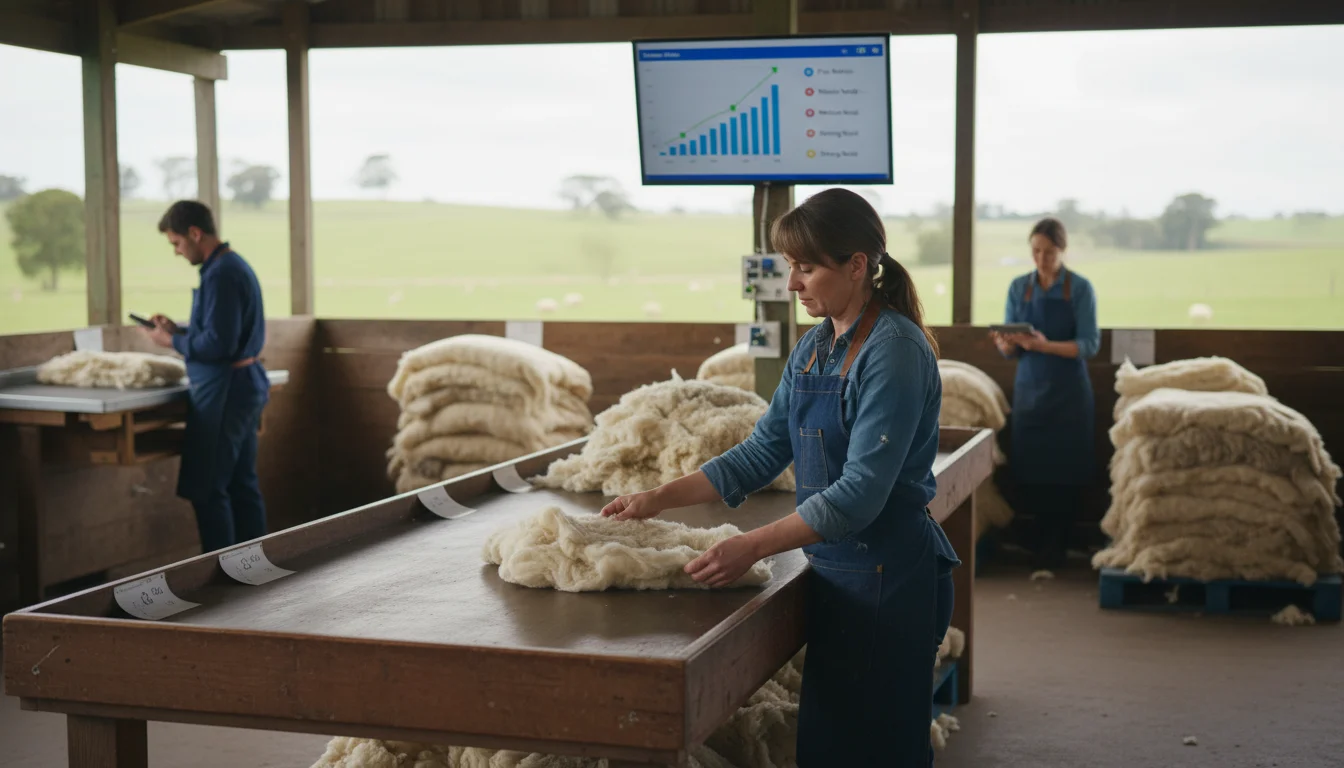
The economic viability of wool farming extends across multiple market segments and value chains. Successful operations typically integrate several revenue streams:
Primary Revenue Streams in Wool Production:
- Raw Wool Sales: Greasy wool prices range from $3-$20 per kg depending on micron, with superfine Merino commanding premium prices up to $40 per kg for specialty lots.
- Value-Added Processing: On-farm processing increases returns dramatically: scoured wool (1.5x), spun yarn (4-6x), and finished garments (8-15x raw wool value).
- Breeding Stock: High-genetic-merit animals can generate $500-$5,000 in breeding sales, with elite genetics commanding higher prices.
- By-Products: Pelts, lanolin, and meat from cull animals provide additional income streams in integrated wool production systems.
For those considering other fiber-producing animals, our Reptile Farming Calculator provides economic analysis for exotic fiber production, while the Dairy Farming Calculator offers insights into integrated livestock operations that can complement wool production.
Essential Practices for Successful Wool Production
Critical Success Factors:
- Genetic Selection: Choose breeds aligned with your climate, market, and management capabilities. Fine-wool breeds like Merino excel in premium markets, while dual-purpose breeds offer income diversification.
- Nutrition Management: Proper feeding directly impacts wool quality and quantity. Protein levels during wool growth periods significantly affect fiber diameter and strength.
- Shearing Expertise: Professional shearing preserves staple length, minimizes second cuts, and maintains animal welfare. Proper wool preparation (skirting, classing) increases market value by 20-40%.
- Market Intelligence: Understand wool grading systems, auction dynamics, and value-added opportunities. Relationships with wool brokers and processors enhance market access.
Feed optimization represents the largest cost-saving opportunity in wool farming. Our calculator's nutrition module helps balance protein requirements with cost efficiency. Implementing strategic supplementation during critical wool growth periods can improve fiber quality and increase staple strength by 15-25%.
Financial Planning Insights
Initial investment for a commercial wool farming operation typically ranges from $50,000-$500,000+, depending on scale and infrastructure. Key expenses include:
| Expense Category | Small Scale (100 animals) | Commercial Scale (1000 animals) |
|---|---|---|
| Breeding Stock | $15,000 - $30,000 | $150,000 - $300,000 |
| Pasture Infrastructure | $10,000 - $25,000 | $50,000 - $150,000 |
| Shearing Equipment | $2,000 - $5,000 | $10,000 - $30,000 |
| Wool Storage & Handling | $3,000 - $8,000 | $20,000 - $60,000 |
| Processing Equipment | $5,000 - $20,000 | $50,000 - $200,000 |
For those interested in complementary livestock operations, our Emu Farming Calculator offers insights into alternative agricultural enterprises that can diversify farm income alongside wool production.
Sustainable Practices and Future Trends
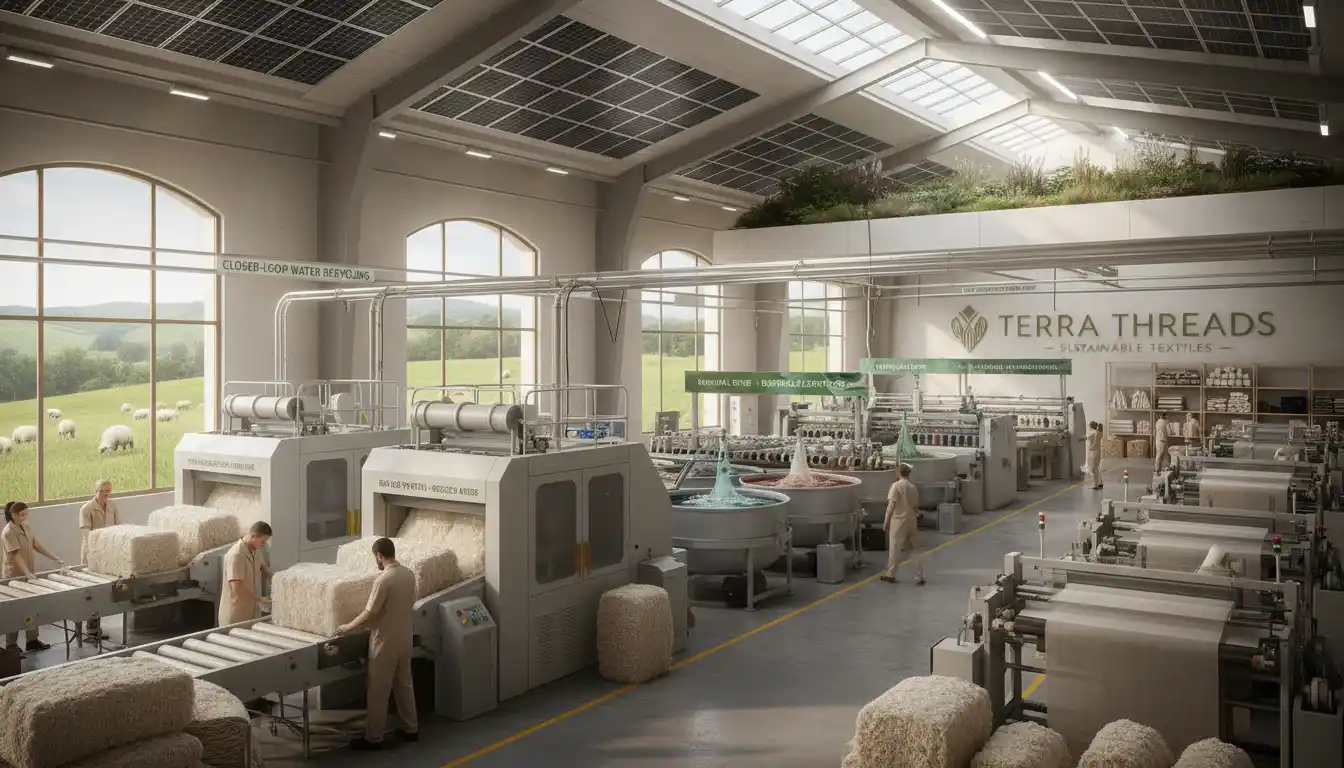
Sustainability represents both an ethical imperative and market advantage in modern wool farming. Environmentally conscious practices include:
- Regenerative Grazing: Rotational systems that improve soil health, biodiversity, and carbon sequestration
- Water Management: Efficient irrigation and natural waterway protection in wool-producing regions
- Chemical Reduction: Integrated pest management and reduced veterinary chemical use
- Energy Efficiency: Renewable energy adoption in processing facilities and on-farm operations
- Circular Economy: Wool recycling and waste reduction throughout the value chain
Emerging Industry Trends
The future of wool production includes several promising developments:
Traceability Technology
Blockchain and DNA testing enable complete supply chain transparency from farm to consumer.
Technical Applications
Wool's natural properties are being leveraged in filtration, insulation, and medical textiles beyond traditional apparel.
Climate-Smart Breeding
Genetic selection for heat tolerance, methane reduction, and drought resilience in wool-producing animals.
Direct-to-Consumer Models
Digital platforms connecting producers with conscious consumers willing to pay premiums for sustainable, traceable wool.
Final Recommendations
Wool production offers a unique opportunity to combine agricultural tradition with modern sustainability and market sophistication. Our free Wool Production Calculator provides the analytical tools needed to make informed decisions about breed selection, scale, processing integration, and financial planning.
Whether you're starting a small hobby farm or planning a commercial wool production enterprise, success requires careful calculation, continuous market monitoring, and commitment to sustainable practices. Begin your journey with thorough research, connect with established wool producers and processors, and use our comprehensive calculator to plan your sustainable wool production venture.