
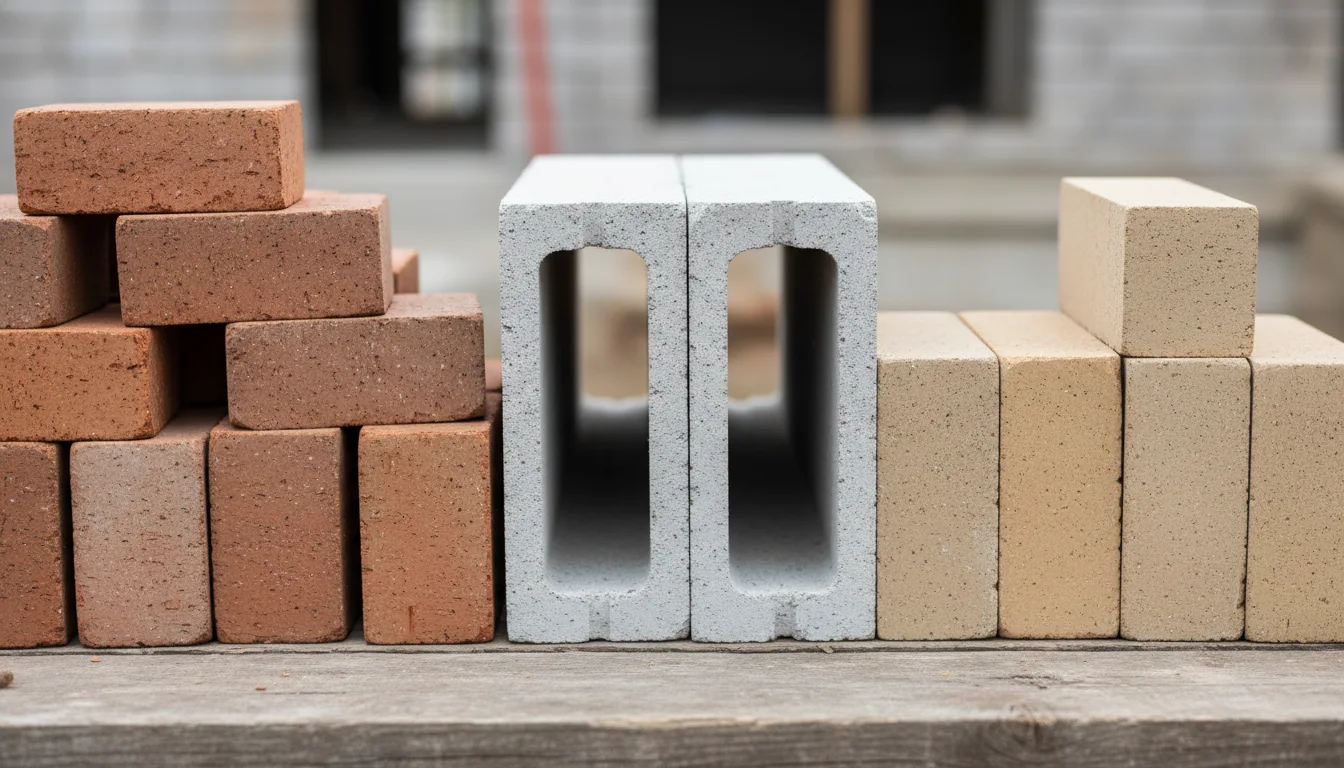
Complete Guide to Using a Bricks Calculator for Construction Projects
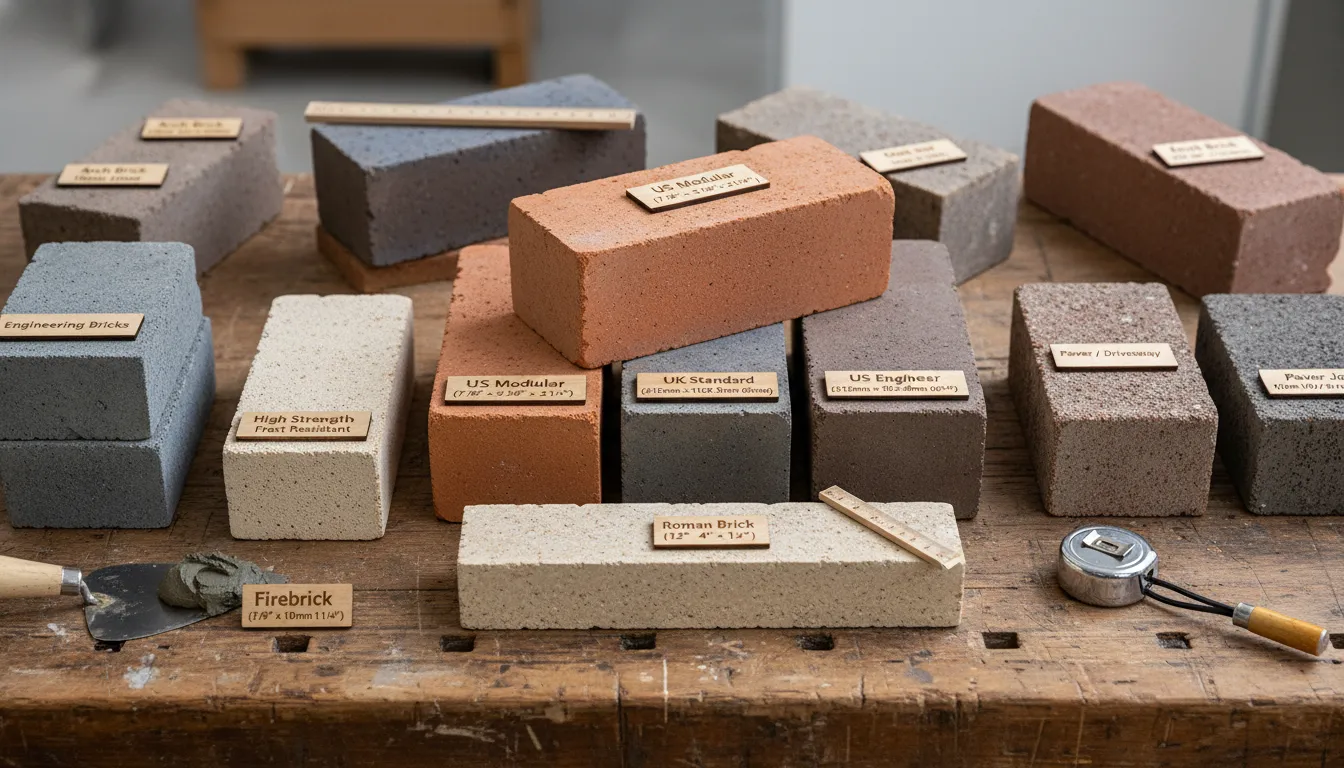
Accurate Brick Calculation Saves Time and Money
Using a precise bricks calculator ensures you order the right amount of materials, preventing costly overages or frustrating shortages on your construction projects.
Whether you're planning a garden wall, house extension, or commercial building, accurately calculating brick requirements is essential for project success. A reliable bricks calculator helps you determine exactly how many bricks you need, preventing costly over-ordering or frustrating shortages that can delay construction.
What is a Bricks Calculator and Why It Matters
A bricks calculator is a specialized tool that computes the number of bricks needed for a specific wall area based on dimensions, brick size, and mortar joints. Unlike manual calculations that are prone to error, a digital bricks calculator provides precise estimates in seconds. This accuracy is crucial because bricks are typically sold by the thousand, and miscalculations can significantly impact your project budget.
Using a bricks calculator matters for several reasons. First, it prevents material waste—ordering too many bricks means unnecessary expense and storage challenges. Second, it ensures project continuity—insufficient bricks can halt construction and delay completion. Third, it aids in accurate budgeting and planning, especially when combined with other tools like a paint calculator for comprehensive project planning.
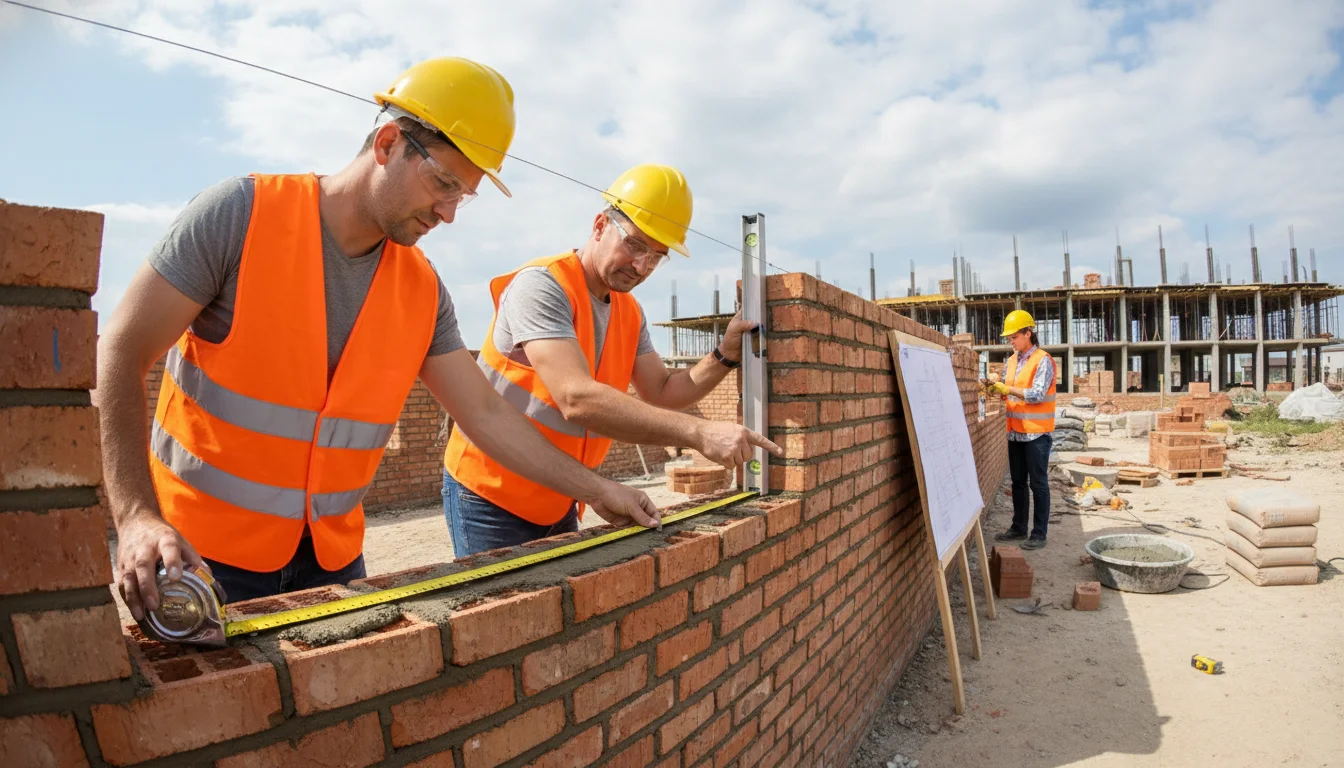
Bricks Calculator Applications
From small DIY projects to large construction sites
Benefits and Use Cases of a Bricks Calculator
The primary benefit of using a bricks calculator is cost savings. By accurately determining material requirements, you avoid overpaying for excess bricks or incurring additional delivery charges for shortages. For example, our bricks calculator can help you determine that a 20x10 foot wall with standard bricks requires approximately 1,441 bricks including waste.
Common use cases for a bricks calculator include:
- Residential Construction: Calculating bricks for new homes, extensions, and renovations
- Commercial Projects: Estimating bricks for office buildings, retail spaces, and industrial structures
- Landscaping Features: Determining bricks for garden walls, fire pits, and outdoor kitchens
- Restoration Work: Calculating replacement bricks for historical buildings and renovations
- DIY Projects: Estimating materials for small walls, planters, and decorative features
For roofing projects that may accompany brickwork, consider using a shingle calculator alongside the bricks calculator for comprehensive project planning.
Tips and Best Practices for Brick Calculation
To get the most accurate results from any bricks calculator, follow these professional tips:
- Measure Precisely: Always measure wall dimensions to the nearest inch. Small measurement errors can lead to significant calculation discrepancies when multiplied over large areas.
- Account for Openings: Don't forget to subtract window and door areas from your total wall area. Our bricks calculator includes advanced options for this purpose.
- Consider Brick Delivery: Bricks are heavy—a pallet of 500 standard bricks weighs about 2,000 pounds. Factor in delivery logistics and storage space when planning large projects.
- Check Local Building Codes: Some areas have specific requirements for brick size, mortar composition, or wall thickness, especially in seismic zones.
- Order Extra: Always order 5-10% more bricks than calculated to account for breakage, cutting waste, and future repairs.
According to standards from the ASTM International, proper brick calculation and installation can extend the life of masonry structures by ensuring adequate material strength and proper load distribution.
Pro Tip: Complex Wall Calculation
For walls with multiple sections or irregular shapes, divide the wall into rectangular sections. Calculate each section separately with the bricks calculator, then sum the results.
Related Concepts and Advanced Calculations
Understanding brick calculations connects to several related construction concepts. For instance, different brick bonds (running, Flemish, English) affect material requirements—some patterns use more bricks per square foot than others. The bricks calculator helps account for these variations by allowing custom brick dimensions.
Advanced users of the bricks calculator can explore related calculations like:
- Mortar Composition: Different mortar types (Type N, S, M) have different strength properties and application methods
- Thermal Performance: Brick size and wall thickness affect insulation values and energy efficiency
- Structural Requirements: Calculating load-bearing capacity for multi-story brick structures
- Pattern Variations: Accounting for decorative bonds and patterns that affect brick count
For projects involving tiling alongside brickwork, a tile calculator can help coordinate material deliveries and scheduling for interior finishes.
Conclusion: Maximizing Your Bricks Calculator Experience
A reliable bricks calculator is more than just a convenience—it's an essential tool for anyone working with bricks for construction, landscaping, or renovation projects. By providing accurate brick count and material estimates, it helps prevent material waste, ensures project integrity, and supports effective budgeting.
Remember that while our bricks calculator provides professional-grade estimates, site-specific factors like brick quality, workmanship, and local climate conditions may affect actual requirements. For critical structural projects, consider consulting with a structural engineer or masonry professional to validate calculations and ensure optimal results.