
Complete Guide to Using a Gravel Calculator for Your Projects
Accurate Gravel Calculation Matters
Using a precise gravel calculator ensures you order the right amount of material, saving time, money, and effort on your construction or landscaping projects.
Whether you're planning a driveway, garden path, or landscaping feature, accurately calculating gravel requirements is essential for project success. A reliable gravel calculator helps you determine exactly how much material you need, preventing costly over-ordering or frustrating shortages.
What is a Gravel Calculator and Why It Matters
A gravel calculator is a specialized tool that computes the volume and weight of gravel needed for a specific area based on dimensions and desired depth. Unlike manual calculations that are prone to error, a digital gravel calculator provides precise estimates in seconds. This accuracy is crucial because gravel is typically sold by weight (tons) or volume (cubic yards), and miscalculations can significantly impact your project budget.
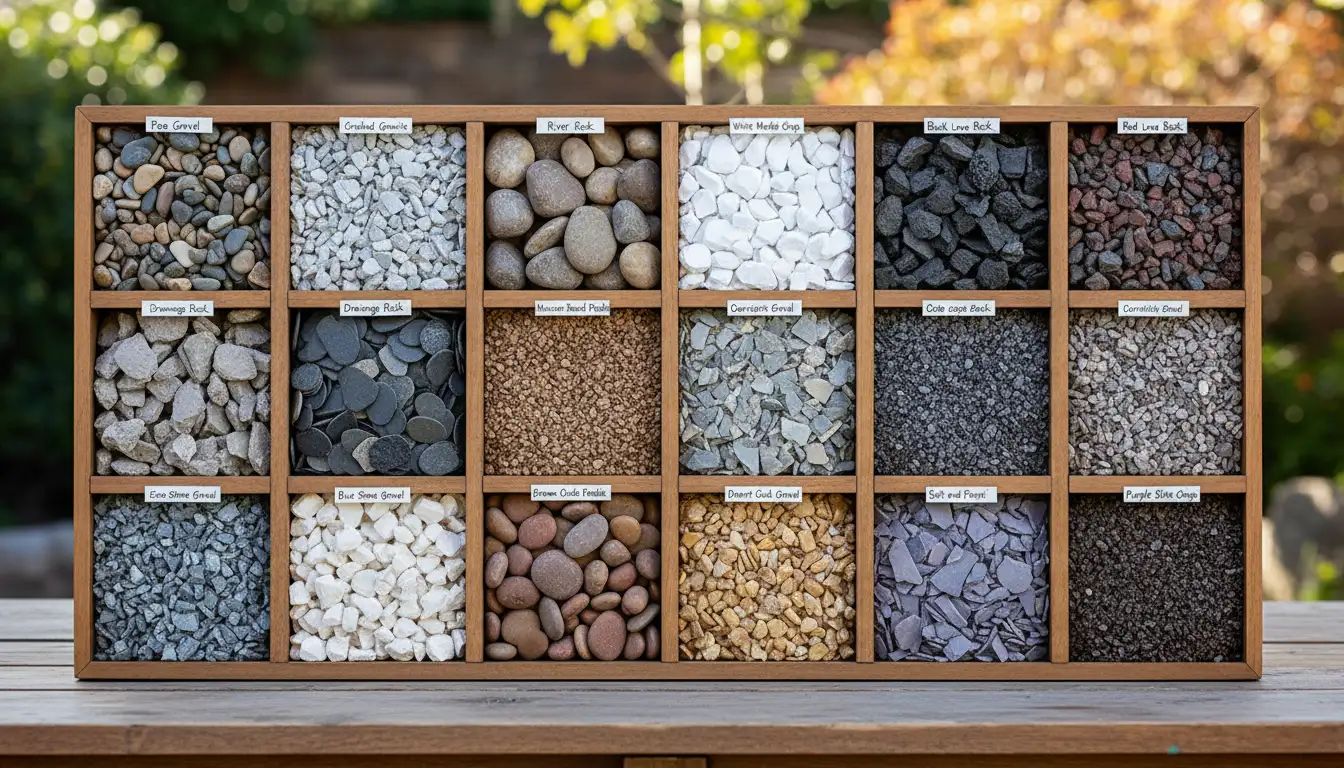
Using a gravel calculator ensures accurate material estimation for any project
Using a gravel calculator matters for several reasons. First, it prevents material waste—ordering too much gravel means unnecessary expense and disposal challenges. Second, it ensures project integrity—insufficient gravel can compromise drainage and stability. Third, it aids in accurate budgeting and planning, especially when combined with other tools like a concrete calculator for comprehensive project planning.
Gravel Calculator Applications
From small landscaping projects to large construction sites
Benefits and Use Cases of a Gravel Calculator
The primary benefit of using a gravel calculator is cost savings. By accurately determining material requirements, you avoid overpaying for excess gravel or incurring additional delivery charges for shortages. For example, our gravel calculator can help you determine that a 10x20 foot area with 4 inches of crushed stone requires approximately 2.5 cubic yards or 3.3 tons of material.
Common use cases for a gravel calculator include:
- Driveway Construction: Calculating base and surface gravel layers
- Landscaping Projects: Determining gravel for paths, patios, and decorative features
- Drainage Solutions: Estimating gravel for French drains and dry wells
- Construction Sites: Planning gravel for access roads and temporary surfaces
- Erosion Control: Calculating gravel needs for slope stabilization
For roofing projects that may also require material calculations, consider using a roof pitch calculator alongside the gravel calculator for comprehensive project planning.
Tips and Best Practices for Gravel Calculation
To get the most accurate results from any gravel calculator, follow these professional tips:
- Measure Twice: Always double-check your dimensions before entering them into the gravel calculator. Small measurement errors can lead to significant calculation discrepancies.
- Account for Compaction: Gravel compacts over time, especially when wet or under weight. Add 10-20% to your calculated amount to account for settling.
- Consider Delivery: Gravel is heavy—a cubic yard can weigh over a ton. Factor in delivery costs and vehicle weight limits when planning large projects.
- Check Local Regulations: Some areas have restrictions on gravel types or depths, especially for drainage or environmental reasons.
- Test Small Areas: For large projects, consider ordering a small amount first to confirm calculations before committing to the full order.
According to industry standards from ASTM International, proper gravel calculation and installation can extend the life of paved surfaces by up to 50% by providing stable, well-drained foundations.
Pro Tip: Irregular Area Calculation
For non-rectangular areas, divide the space into measurable sections. Calculate each section separately with the gravel calculator, then sum the results.
Related Concepts and Advanced Calculations
Understanding gravel calculations connects to several related construction concepts. For instance, proper gravel depth affects drainage rates—insufficient gravel can lead to water pooling, while excessive gravel may shift under weight. The gravel calculator helps balance these factors by providing precise depth-based volume calculations.
Advanced users of the gravel calculator can explore related calculations like:
- Sub-base Requirements: Different projects require varying sub-base thickness beneath the visible gravel layer
- Gradation Analysis: Understanding how different gravel sizes affect compaction and stability
- Cost Projections: Integrating gravel calculations with material price fluctuations
- Volume-to-Weight Conversions: Accounting for moisture content which affects gravel weight
For projects involving roofing materials alongside gravel work, a shingle calculator can help coordinate material deliveries and scheduling.
Conclusion: Maximizing Your Gravel Calculator Experience
A reliable gravel calculator is more than just a convenience—it's an essential tool for anyone working with gravel for construction, landscaping, or drainage projects. By providing accurate volume and weight calculations, it helps prevent material waste, ensures project integrity, and supports effective budgeting.
Remember that while our gravel calculator provides professional-grade estimates, site-specific factors like soil conditions, accessibility, and local material variations may affect actual requirements. For critical projects, consider consulting with a construction professional to validate calculations and ensure optimal results.