
Master Wire Size Calculator Electrical Pro - Calculate Wire Size with Precision
Our comprehensive Wire Size Calculator Electrical helps you determine the correct wire gauge for any electrical installation. Ensure safety, compliance, and optimal performance with accurate calculations based on current, voltage, and distance.

Wire Size Calculator Electrical
Results
Wire Size (AWG)
0
Voltage Drop
0%
Max Current
0A
Power Loss
0W
Wire Size Comparison
Suggestions
Standard Wire Sizes
| AWG | Diameter (mm) | Copper Ampacity | Aluminum Ampacity |
|---|---|---|---|
| 14 | 1.63 | 15A | -- |
| 12 | 2.05 | 20A | 15A |
| 10 | 2.59 | 30A | 25A |
| 8 | 3.26 | 40A | 30A |
| 6 | 4.11 | 55A | 40A |
| 4 | 5.19 | 70A | 55A |
| 2 | 6.54 | 95A | 75A |
| 1 | 7.35 | 110A | 85A |
| 1/0 | 8.25 | 125A | 100A |
| 2/0 | 9.27 | 145A | 115A |
| 3/0 | 10.40 | 165A | 130A |
| 4/0 | 11.68 | 195A | 150A |
No calculations yet
Enter your electrical parameters and click calculate to get started.
Electrical Wiring in Practice

Professional Electrical Installation
Proper wire sizing is critical for safety and performance in electrical installations.
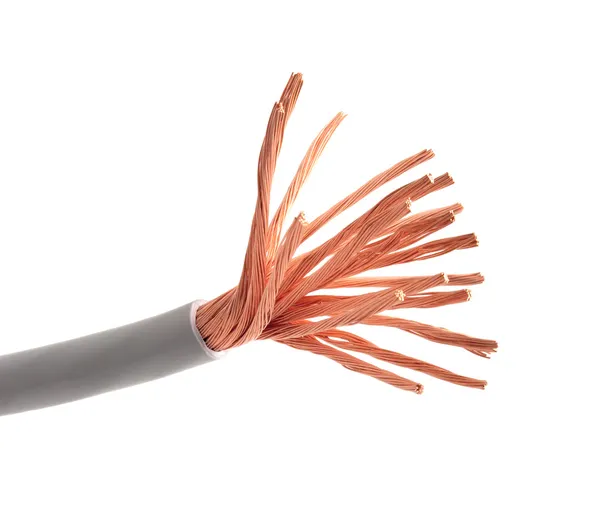
Various Cable Types and Sizes
Different applications require specific wire gauges and insulation types for optimal performance.
Calculation History
Previous Calculations
No calculation history yet.
How to Use the Wire Size Calculator Electrical
- Enter Current: Input the electrical current in amps that will flow through the wire.
- Select Voltage: Choose the operating voltage of your electrical system.
- Specify Distance: Enter the one-way length of the wire run in feet.
- Choose Wire Material: Select either copper or aluminum based on your wiring needs.
- Set Installation Type: Indicate how the wire will be installed (in conduit, free air, or direct burial).
- Select Temperature Rating: Choose the maximum operating temperature for your application.
- Choose Phase Type: Select single phase or three phase based on your electrical system.
- Calculate: Click the calculate button to get your recommended wire size and related information.
What is a Wire Size Calculator Electrical?
A Wire Size Calculator Electrical is an essential tool for electricians, engineers, and DIY enthusiasts planning electrical installations. This specialized calculator helps determine the appropriate wire gauge for any electrical project, ensuring safety, compliance with electrical codes, and optimal system performance.
The primary function of a Wire Size Calculator Electrical is to compute the minimum wire size needed based on current, voltage, distance, and other factors. However, advanced calculators like ours go further by calculating voltage drop, power loss, and providing safety recommendations. Using a reliable Wire Size Calculator Electrical saves time, prevents costly mistakes, and ensures electrical safety.
Modern electrical estimation tools account for various factors that affect wire sizing. These include current load, voltage level, wire length, conductor material, installation method, ambient temperature, and applicable electrical codes. The precision offered by a comprehensive Wire Size Calculator Electrical prevents the dangerous problem of undersizing wires, which can lead to overheating and fire hazards.
For professional electricians, a Wire Size Calculator Electrical is indispensable for creating code-compliant installations and ensuring system reliability. For homeowners and DIYers, it provides confidence that they're using the correct wire gauge for their projects. The calculations performed by a Wire Size Calculator Electrical follow industry-standard formulas and electrical codes that have been developed over decades of electrical engineering practice.
When using any electrical calculation tool, it's important to input accurate parameters and consider project-specific variables. Our Wire Size Calculator Electrical simplifies this process with an intuitive interface and comprehensive results. The visualizations provided help users better understand their wiring requirements.
Beyond basic calculations, our tool offers additional features like calculation history, export options, and safety recommendations. These enhancements make our Wire Size Calculator Electrical more valuable than basic alternatives. The responsive design ensures it works perfectly on all devices.
In electrical projects, accurate wire sizing is crucial for safety and performance. This tool eliminates guesswork and provides data-driven insights. Whether you're working on a small residential circuit or an industrial installation, our Wire Size Calculator Electrical delivers precise results every time.
We continuously improve our electrical calculation tool based on user feedback and industry developments. This commitment to excellence ensures our Wire Size Calculator Electrical remains the most reliable option available. Try it today for your next project and experience the difference precision makes in electrical safety.
Related Calculators
For more information about electrical wiring standards and safety, visit the National Fire Protection Association (NFPA), the authoritative source on the National Electrical Code (NEC).
Wire Size Calculation Formula
// Calculate cross-sectional area for current carrying capacity
A = (I * √(L * R * T)) / (K * V_d)

Where:
A = Cross-sectional area (mm²)
I = Current (Amps)
L = Length of wire (meters)
R = Resistance per unit length (Ω/m)
T = Temperature factor
K = Constant based on installation
V_d = Permissible voltage drop

// Convert to AWG using standard tables
AWG = 36 - (39 * log10(A / 0.012668))

// Voltage drop calculation
VoltageDrop = (2 * I * L * R) / 1000

// Power loss calculation
PowerLoss = I² * R * L * 2
Example Calculation
For a circuit with 20A current, 120V voltage, 50ft distance, copper wire in conduit:
Current Carrying Capacity: Based on NEC Table 310.16, 12 AWG copper wire has 20A ampacity at 60°C
Voltage Drop Calculation: 12 AWG copper has resistance of approximately 1.588 Ω/1000ft
Voltage Drop: (2 × 20A × 50ft × 1.588/1000) = 3.176V
Percentage Drop: (3.176V / 120V) × 100 = 2.65%
Power Loss: (20A)² × (1.588/1000) × 50ft × 2 = 63.52W
Recommended Wire Size: 12 AWG (meets both ampacity and voltage drop requirements)
Frequently Asked Questions
How accurate is the wire size calculator?
Our tool uses industry-standard formulas based on the National Electrical Code (NEC) and accounts for typical installation factors. It provides estimates accurate enough for most residential and commercial applications, though complex industrial installations may require additional engineering analysis.
What voltage drop is acceptable?
For branch circuits, the NEC recommends a maximum voltage drop of 3%. For feeder and branch circuits combined, the maximum recommended voltage drop is 5%. Our calculator helps you stay within these limits for optimal electrical performance.
Can I use aluminum wire instead of copper?
Yes, aluminum wire is commonly used, especially for larger gauge applications. However, aluminum requires a larger wire size for the same current capacity and has different connection requirements. Our calculator accounts for these differences when you select aluminum as the wire material.
What's the difference between single phase and three phase?
Single phase systems are common in residential applications, while three phase is typically used in commercial and industrial settings. Three phase systems can deliver more power with smaller conductors, which our calculator accounts for in its calculations.
How does temperature affect wire sizing?
Higher temperatures reduce the current-carrying capacity of wires. Our calculator includes temperature derating factors based on NEC guidelines to ensure your wire selection remains safe under the specified temperature conditions.
Related Calculators
Voltage Drop Calculator
Calculate voltage drop in electrical circuits for optimal performance.
Calculate Voltage Drop