
What is Layer Farming? Comprehensive Guide to Egg Production

Layer farming represents a specialized agricultural practice focused exclusively on raising chickens for egg production. Using a layer farming calculator can significantly enhance your operational efficiency and profitability. Unlike broiler farming which targets meat production, this approach involves maintaining hens over extended periods to maximize egg output throughout their productive lifespan. This comprehensive approach to poultry production has evolved significantly with technological advancements and improved breeding techniques.
Successful egg production requires careful attention to numerous factors including housing conditions, nutrition management, disease prevention, and environmental controls. The primary objective in any poultry operation is to optimize feed conversion efficiency while maintaining hen health and welfare standards. Modern operations leverage scientific research and technological innovations to achieve these goals while meeting increasing consumer demand for quality eggs.
When using this calculator, poultry farmers can accurately predict their production outcomes, calculate costs, and determine profitability. The tool takes into account various factors such as flock size, feed consumption rates, egg production percentages, and market prices. By inputting this data, farmers can make informed decisions about their operations, potentially increasing their profitability by 20-30% compared to traditional estimation methods.
Key Components of Successful Poultry Operations
- Selection of high-producing layer breeds (Hy-Line, Lohmann, Bovans)
- Precision nutrition with balanced calcium and protein levels
- Climate-controlled housing with proper ventilation systems
- Automated egg collection and grading systems
Commercial egg production typically operates on an all-in-all-out system where birds of similar age are managed together. This method allows for thorough cleaning and disinfection between flocks, significantly reducing disease transmission risks. The intensive nature of modern operations enables substantial egg production from relatively compact facilities, making this agricultural practice accessible to producers in various settings from rural to peri-urban areas.
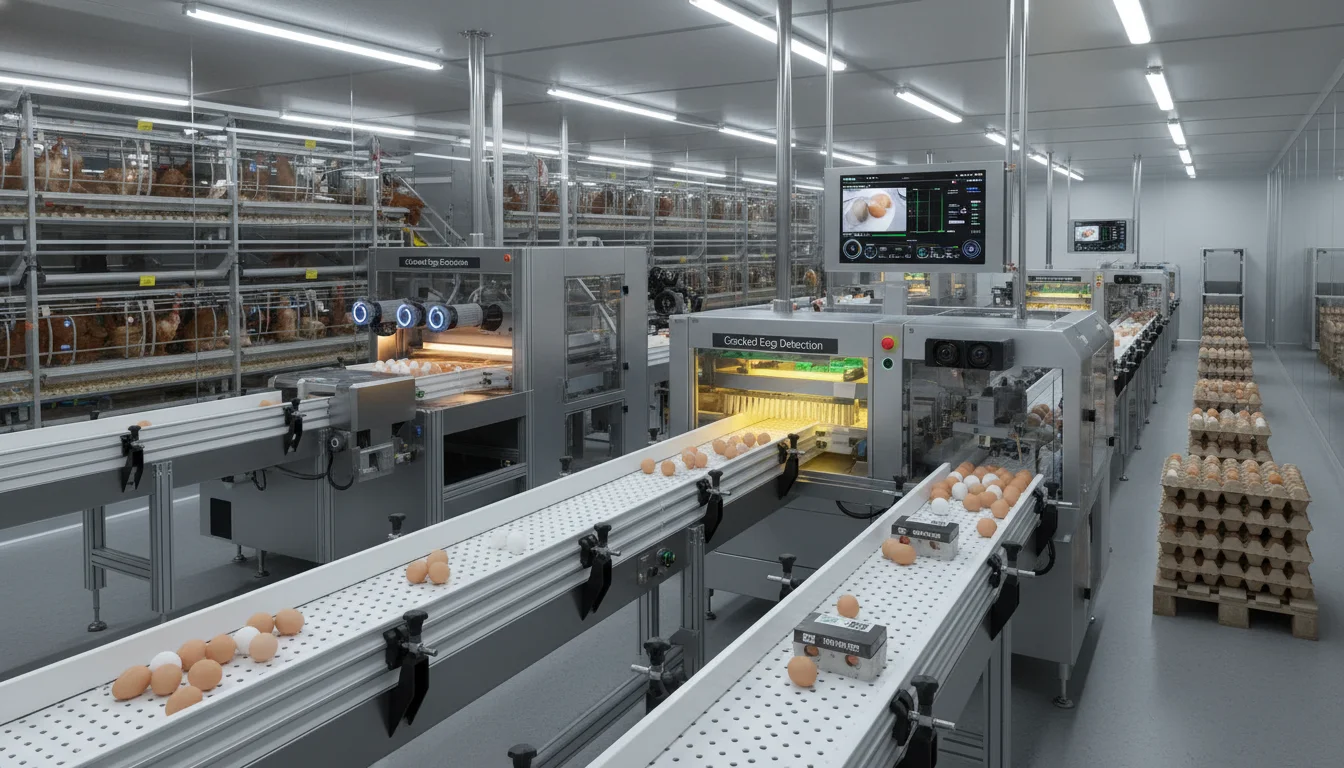
Economic viability in layer farming depends on several critical factors including feed conversion ratio (FCR), mortality rates, egg prices, and production consistency. Feed typically represents 60-70% of total production costs, making nutritional efficiency a primary focus for profitability. Contemporary practices leverage ongoing research to optimize production while maintaining egg quality standards expected by today's consumers.
One of the key advantages of using this calculator is its ability to simulate different scenarios. Farmers can input various feed prices, production rates, or market conditions to see how these changes would affect their profitability. This predictive capability allows for better risk management and strategic planning. For instance, if feed prices are expected to rise, the calculator can help determine whether adjusting the birds' diet or finding alternative feed sources would be more cost-effective.
Global trends show increasing consumer interest in specialty eggs including organic, free-range, and enriched varieties. These market segments offer opportunities for differentiation within the poultry sector. Producers who can adapt their operations to meet these specialized demands often achieve premium pricing, enhancing the economic sustainability of their enterprises.
Technology Integration in Modern Poultry Operations
Technology has transformed contemporary egg production through automated feeding systems, environmental sensors, and data analytics. These innovations allow poultry professionals to monitor flock health, optimize production conditions, and predict outcomes with unprecedented accuracy. The future of the industry lies in further precision agriculture applications that enhance both productivity and animal welfare.
For those considering entering the industry, proper planning is essential. Our chicken farming calculator and dairy farming calculator can help analyze profitability across different agricultural ventures. Additionally, exploring broiler farming might provide diversification opportunities within poultry production.
Successful layer farming requires continuous learning and adaptation to changing market conditions, regulatory requirements, and consumer preferences. Organizations like the Food and Agriculture Organization (FAO) provide valuable resources for best practices and global industry trends in egg production.
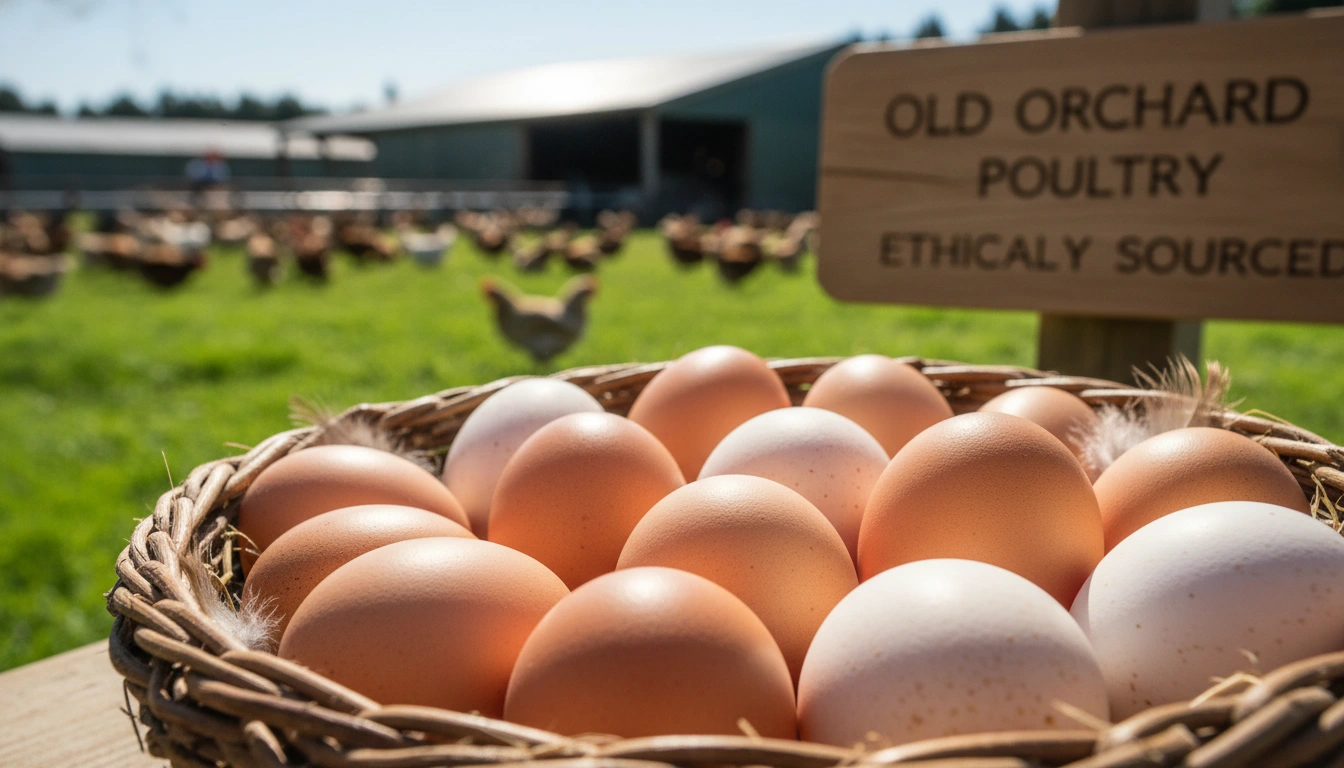
The scale of operations varies significantly across different regions. In developed countries, large integrated companies often dominate production, while in many developing nations, smallholder operations remain prevalent. Each system presents unique challenges and opportunities for those engaged in poultry activities.
Environmental considerations have become increasingly important in modern agriculture. Producers must address issues related to manure management, water usage, and greenhouse gas emissions. Innovative solutions such as manure-to-energy conversion and water recycling systems are being implemented to create more sustainable enterprises.
Market dynamics significantly influence profitability in egg production. Factors such as feed grain prices, consumer demand patterns, and international trade agreements all impact the economic viability of operations. Successful producers must develop strategies to manage these risks while maintaining efficient production practices.
As the industry continues to evolve, emphasis on hen welfare, environmental sustainability, and food safety will shape industry standards. Implementing responsible practices not only ensures business longevity but also contributes to broader food system resilience. Whether operating a small-scale family farm or a large commercial operation, the principles of efficient egg production remain fundamentally similar: optimize inputs, maintain hen health, and deliver quality products to market.
Looking ahead, the future of egg production will likely involve greater integration of digital technologies, increased focus on sustainability metrics, and continued improvement in genetic selection for both productivity and animal welfare traits. These developments will help ensure that layer farming remains a vital component of global food production systems, providing nutritious eggs to populations worldwide while maintaining sustainable agricultural practices.